
























































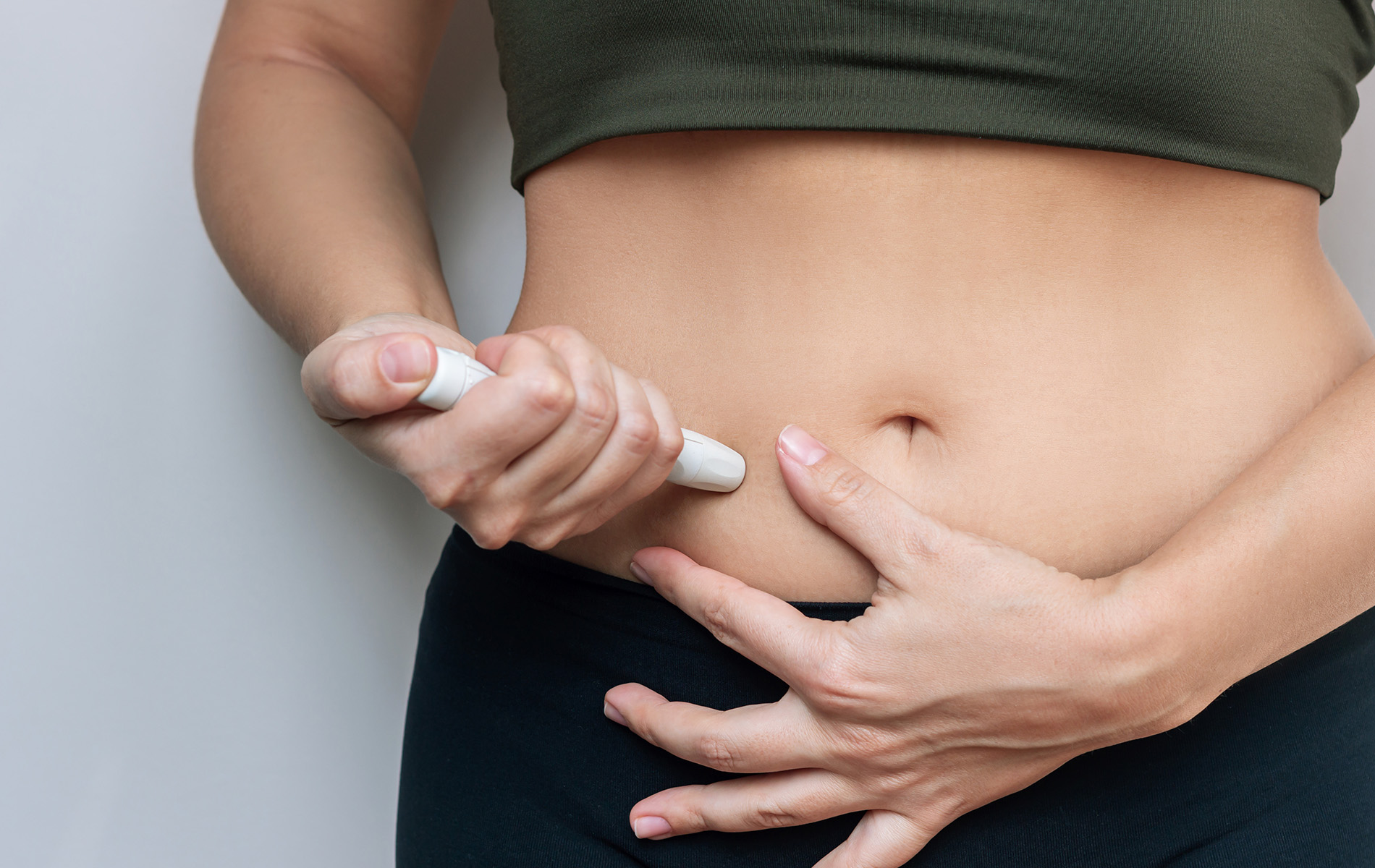





Why are we noticing more Wrinkles, Stiff Joints and Thinning Hair after 40?


It Might Be due to our Collagen levels.
The Short Answer
If you're over 40 and noticing changes in your skin, joints, hair or nails, collagen decline is likely playing a significant role. Collagen is the most abundant protein in the human body, but your body's production drops steadily from your mid-20s onward.
By the time you reach 40, those changes become hard to ignore. So, what exactly is collagen, and why is it so important for your health at this stage?
Collagen - Why Does It Matter?
Collagen is often described as the body's scaffolding. It's the structural protein that maintains the skin's elasticity, supports the joints and gut lining, and gives your hair and nails their strength.
Consider collagen like the elastic in a waistband: when new, it's firm, springy, and resilient, but over time it stretches and loses its bounce.
Your body is made up of several types of collagen, but the most important for everyday health are:
- Type I: found in skin, tendons, bones and teeth
- Type II: found in cartilage and joints
- Type III: found in skin, blood vessels and organs
All three decline with age, and these changes tend to become more noticeable in your 40s for both biological and lifestyle-related reasons.
When Does Collagen Production Start to Drop?
Collagen production gradually declines from age 25, then accelerates in your 40s and 50s.
Here's a general timeline:
| Mid-20s | Production begins declining ~1% per year |
| 30s | Subtle changes - skin begins to lose elasticity |
| 40s | Noticeable changes in skin, joints and energy |
| Menopause |
Women can lose up to 30% of skin collagen in the first 5 years
|
| 60+ | Collagen fibres become thinner and less organised |
This gradual loss is entirely natural—but knowing the signs can help you take proactive steps.
5 Signs Your Body May Be Low in Collagen
You might not connect these everyday changes to collagen, but they're among the most common indicators:
1. Your Skin Looks Less Firm or Plump
Fine lines around the eyes and mouth, sagging around the jawline, and a general loss of that "bounce" when you press your skin. These are classic signs of collagen and elastin depletion.
2. Your Joints Feel Stiffer, Especially in the Morning
Collagen is a significant part of the cartilage that cushions your joints. When collagen is reduced, there is less cushioning, leading to greater stiffness after periods of inactivity.
3. Your Hair Feels Thinner or More Brittle
Hair follicles are surrounded by a collagen-rich layer in the dermal sheath. When collagen declines, this layer weakens, and follicles can shrink, producing finer, weaker strands.
4. Your Nails Break More Easily
Brittle nails that peel, split, or break are often a sign that the protein matrix supporting them, including collagen, is depleted.
5. Your Gut Feels More Sensitive
Many are surprised that collagen supports the gut lining. Lower collagen levels can increase digestive sensitivity. If you have noticed more stomach sensitivity in recent years, this could be a factor.
What Causes Collagen to Drop Faster? To better address collagen decline, it helps to know what accelerates it beyond age and biology.
Age is the primary driver, but several lifestyle factors accelerate collagen loss significantly:
- UV exposure: Sunlight breaks down collagen fibres in the skin faster than almost any other external factor.
- Smoking: Reduces blood flow and generates free radicals that damage collagen.
- High sugar intake: A process called glycation causes collagen fibres to become stiff and brittle
- Stress: Elevated cortisol suppresses collagen production
- Poor sleep: Much of the body's repair work, including collagen synthesis, happens during deep sleep
- Low vitamin C intake: Vitamin C is essential for collagen synthesis; without it, your body simply can't make it efficiently.
The good news? Many of these are modifiable. Specifically, reducing sugar intake, protecting your skin from the sun, managing stress, and supporting your body with the right nutrients can all slow the rate of collagen decline.
Can You Restore Collagen After 40?
Although reversing the effects of ageing is not possible, you can support your body's collagen levels in meaningful ways.
The most effective strategies include:
Dietary Sources of Collagen
Bone broth, chicken skin, fish skin and egg whites all contain collagen or its building blocks. However, consistently eating enough of these foods to make a measurable difference is difficult for most people, particularly those reducing their meat intake. For vegetarians and vegans, it’s important to know that collagen itself is only found in animal products. While no plant source provides collagen, supporting your body’s natural collagen production is still possible by focusing on nutrients found in fruits, vegetables, legumes and seeds. Key nutrients like vitamin C, zinc, copper, and plant-based proteins can help support your body's collagen production.
Key Nutrients That Support Collagen Production
Your body needs specific co-factors to manufacture and maintain collagen, and here are some of them:
- Vitamin C: Essential for collagen synthesis; without it, the process stalls
- Zinc: Supports tissue repair and collagen formation.
- Vitamin E: An antioxidant that helps to protect existing collagen in the body.
- Hyaluronic acid: This aids collagen by various methods, including maintaining high levels of hydration
Collagen Supplementation
Hydrolysed collagen supplements, where collagen has been broken down into smaller peptides, can be absorbed more efficiently by the body than whole collagen from food. Supplementation has been associated with benefits such as supporting skin elasticity and hydration, supporting joint health, promoting nail strength and growth, and contributing to gut lining integrity.
At Woods Health, our Marine Collagen Gold Standard is formulated with hydrolysed collagen, designed for people who want to take their collagen intake seriously, not just tick a box.
Collagen and Menopause: A Particularly Important Connection
For women going through perimenopause or menopause, collagen loss doesn't just accelerate — it can feel sudden and dramatic.
The reason is oestrogen. Oestrogen plays a direct role in stimulating collagen production in the skin and connective tissue. As oestrogen levels fall during menopause, skin collagen loss accelerates sharply. Studies suggest women can lose up to 2% of their skin collagen per year in the years following menopause.
Supporting collagen levels during and after menopause is one of the most impactful nutritional steps women in this life stage can take. However, a holistic approach can make an even greater difference for your well-being. Alongside collagen support, consider lifestyle strategies such as regular physical activity, a diet rich in vegetables, healthy fats and phytoestrogen foods like flaxseeds and soy, getting enough sleep, managing stress, and staying well hydrated. Practices such as mindfulness or gentle strength training can also help manage menopause symptoms.
Collagen supplements are a long-term investment in your body's structure and resilience, not a quick fix. Consistency matters; a moderate daily intake taken regularly will outperform a large dose taken sporadically.
Related Articles You Might Find Helpful
- Gut feeling - do microbes really influence how we age
- Vitamin B12 after 50: help keep your body's energy engine running
- Shop All Woods Health Supplements
Frequently Asked Questions
At what age does collagen start to decline?
Collagen production begins to decline gradually from around age 25, at approximately 1% per year. The decline accelerates noticeably during perimenopause and speeds up further during menopause.
What are the signs of low collagen?
The most common signs of low collagen include loss of skin firmness, fine lines and wrinkles, stiff or achy joints (particularly in the morning), thinning or brittle hair, weak nails, and digestive sensitivity.
Do collagen supplements actually work?
Multiple peer-reviewed studies suggest that hydrolysed collagen supplements can improve skin elasticity, hydration and firmness, as well as support joint comfort. Results typically become noticeable after 8-12 weeks of consistent daily use.
What is the best collagen supplement for over-40s in the UK?
Look for a hydrolysed collagen supplement that includes vitamin C to support synthesis, uses a clearly labelled collagen source (marine or bovine). Woods Health Marine Collagen Gold Standard is formulated with these considerations in mind.
Can men over 40 benefit from collagen supplements?
Yes. While collagen supplements are frequently marketed to women, men also experience collagen loss with age. Joint stiffness, skin changes and slower recovery from exercise are common in men over 40, all areas where collagen supplementation can provide meaningful support.
Is it better to take collagen in the morning or at night?
There is no definitive research proving one time is significantly better. However, taking collagen at night may align with the body's natural repair and regeneration processes during sleep. Morning works equally well for those who prefer consistency with other supplements.
Does diet affect collagen levels?
Yes significantly. High sugar intake, smoking, excessive alcohol and low vitamin C consumption all accelerate collagen breakdown. Foods rich in vitamin C, zinc, copper and amino acids support your body's natural collagen production.
The Bottom Line
Collagen loss after 40 is real, measurable and affects far more than just how your skin looks. From joint comfort to hair health, from gut function to nail strength, collagen is genuinely foundational to how your body holds together.
The encouraging news is that it's one of the most well-researched areas of nutritional supplementation, and the evidence for hydrolysed collagen is genuinely solid.
If you're over 40 and haven't yet thought seriously about your collagen levels, now might be the time to start.
? Explore Woods Health Gold Standard Collagen
5 Recommended References
Proksch, E., et al. (2014) Oral Supplementation of Specific Collagen Peptides Has Beneficial Effects on Human Skin Physiology: A Double-Blind, Placebo-Controlled Study. Skin Pharmacology and Physiology, 27(1), 47–55.
Varani, J., et al. (2006) Decreased Collagen Production in Chronologically Aged Skin: Roles of Age-Dependent Alteration in Fibroblast Function and Defective Mechanical Stimulation. The American Journal of Pathology, 168(6), 1861–1868.
Brincat, M., et al. (1987) Long-Term Effects of the Menopause and Sex Hormones on Skin Thickness. An International Journal of Obstetrics & Gynaecology, 94(3), 256–259.
Shaw, G., et al. (2017) Vitamin C–Enriched Gelatin Supplementation before Intermittent Activity Augments Collagen Synthesis.The American Journal of Clinical Nutrition, 105(1), 136–143.
Clark, K.L., et al. (2008) 24-Week Study on the Use of Collagen Hydrolysate as a Dietary Supplement in Athletes with Activity-Related Joint Pain. Current Medical Research and Opinion, 24(5), 1485–1496.
Wu, M., et al. (2023) Biochemistry, Collagen Synthesis. Statpearls. Link: https://www.ncbi.nlm.nih.gov/books/NBK507709/
Papakonstantinou, E., et al. (2012) Hyaluronic acid: A key molecule in skin aging. Dermato-Endocrinology. 4(3):253–258
Molenda, M. and Kolmas, J. (2023) The Role of Zinc in Bone Tissue Health and Regeneration—a Review. Biological Trace Element Research, 201 (12).
Traber, M. G. and Stevens, J. F. (2011) Vitamins C and E: Beneficial effects from a mechanistic perspective. Free Radical Biology and Medicine, 51(5).
What's Your Reaction?
 Like
0
Like
0
 Dislike
0
Dislike
0
 Agree
0
Agree
0
 Disagree
0
Disagree
0
 Excellent
0
Excellent
0
 Useful
0
Useful
0
 Great
0
Great
0