



























































Do Clay Masks Work? Benefits and Drawbacks


You might have seen a recent study that found that while clay masks have a noticeable impact on the amount of sebum, or oil, on the skin, this effect only lasts about two hours. This isn’t surprising, as there are currently no known topical ingredients that can slow sebum production, other than the temporary effects that clay masks have. However, this study did not mention the major benefit of this effect, even if temporary: that clay masks can remove dirt and impurities from pores.
The key is to understand both the benefits and limitations of clay masks and to make sure you choose one with ingredients that are compatible with your skin type.
Let’s break down the science behind clay masks, the different types you’ll see on shelves, and how to pick the right one for your skin.
[[ctaquiz]]
Clay masks cleanse pores, but not as well as in-office treatments.
They temporarily decrease oil on the skin.
They can be drying, but are generally safe for most skin types.
Table of content

What Are Clay Masks and How Do They Work?
Clay masks are made with naturally occurring clays that have a unique ability to bind to excess oil, impurities, and dead skin cells. Clays like bentonite, kaolin, and French green clay all have slightly different mineral compositions, but they’re all very effective at absorbing oil. In fact, the 2025 study referenced earlier found that rinse-off clay masks significantly reduced superficial oiliness on the skin, but the effect only lasted for about two hours before oil levels returned to normal.
Additionally, when clay is applied to the skin, it starts to dry and draw out debris from the surface and the top layer of your pores. Then when you rinse the mask off, that dirt and debris is washed away with it. So while decreased oil production is temporary, you are left with cleaner pores.
"Clay masks may temporarily decrease oil production, but the effects seem to last only a few hours."
Types of Clay Masks
There are several types of clay used in masks and other skin care products. While the overall pore cleansing effect is the same across all clay types, there are some key differences between them.
- Green clay. Often made from bentonite or French green clay, this is generally the most oil-absorbing type of clay mask. Thus, green clay can be a good choice for oily or acne-prone types.
- Red clay. Rich in iron oxide, red clay may improve circulation and gently absorbs oil without being too drying. It works well for normal to combination skin.
- White (kaolin) clay. Kaolin is the gentlest clay and absorbs oil more slowly, making it ideal for dry and sensitive skin types.
- Pink clay. This is a blend of red and white clays, so it is generally also a good choice for dry or sensitive skin.
- Black or volcanic clay. Black clay contains minerals like silica and magnesium, adding anti-inflammatory benefits while also cleansing pores.
Most clay masks also contain additional active ingredients, such as hydrators for dry skin, salicylic acid for acne, or charcoal for deeper cleansing, so be sure to read the full ingredient list to make sure it’s a match for your skin type.

Benefits of Clay Masks for the Skin
Even though the sebum-reducing effects of clay masks only last for a few hours, the main benefit of using these products is that they still leave your skin with clearer pores. Key benefits include:
- They clear pores. Clay masks loosen and wash away the buildup of oil, dead skin, and other debris that becomes trapped inside pores. This makes them a good “maintenance tool” for blackheads and acne-prone skin.
- They improve skin texture. By absorbing excess oil and removing surface debris, clay masks leave the skin feeling smoother and immediately after use.
- They offer a mild tightening effect. Clay naturally contracts as it dries, which can create a temporary tightening effect. While this won’t result in long-term skin tightening, your skin may look and feel firmer for several hours afterward.

Drawbacks of Clay Masks
Generally speaking, clay masks can be a nice add-on to many skin care routines for their ability to clear pores with few side effects. That said, there are a few downsides to using them:
- Clay masks don’t control oil long-term. Clay masks will reduce the amount of oil on your skin for around two hours before it returns to normal. Retinoids, on the other hand, increase cell turnover and help to keep pores from clogging in the first place. Additionally, in-office treatments like Hydrafacials and chemical peels are more effective than clay masks at deeply cleansing pores.
- They can be drying. Because clay masks work by absorbing natural oils from the skin, frequent use can be too drying to the skin, especially for those with dry or sensitive skin.
- Formulation matters. Most clay masks also contain other ingredients for added benefits. So it’s important to look at the formulation as a whole to avoid potentially drying or irritating ingredients, depending on your skin type.

Who Should (and Shouldn't) Use Clay Masks
Clay masks can be helpful for those with:
Oily skin
Acne-prone skin
Blackheads and whiteheads
You may want to skip clay masks, or use them infrequently, if you have:
Very dry skin
Eczema or rosacea
A compromised skin barrier
Skin that is actively peeling from retinoids or chemical exfoliants
Best Clay Masks for Dry Skin
If you have dry skin, clay masks are not the best option for you, I would suggest using a hydrating mask instead. However, if you really want to use a clay mask - look for clay masks that use kaolin (white) clay, which tends to be gentler and less drying than other types of clay. The best clay masks for dry skin will also contain gentle hydrating ingredients such as aloe, glycerin, squalane, or ceramides.
Some clay mask options for dry skin types include:
Best Clay Masks for Oily Skin
Clay mask are great for most oily skin types! Oily skin types can typically tolerate most clay types in a clay mask, as well as additional ingredients for acne-prone skin.
Some options include:
How to Use a Clay Mask
You can use a clay mask 1 to 2 times per week, depending on your skin type. If you notice your skin becomes very dry, you may need to use it less frequently.
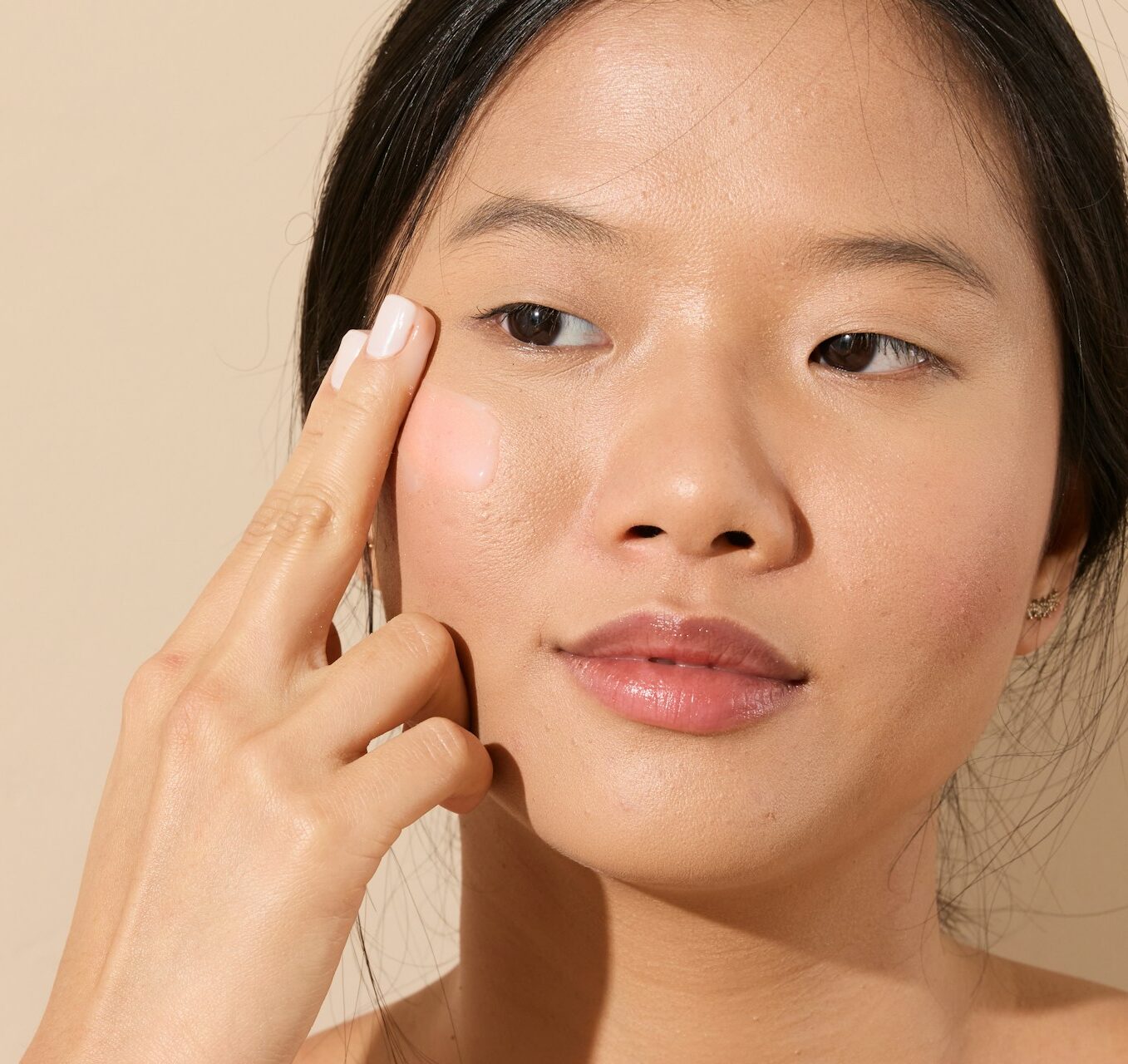
Apply a thin, even layer to clean, dry skin.
Most masks work best when left on for around 10 minutes. If your skin begins to sting or burn, rinse off the mask. This is a sign that this particular formulation is not best for your skin.
Rinse with lukewarm water.
Follow with a moisturizer to replenish hydration.
Bottom Line
Clay masks temporarily remove excess oil from the skin, but more importantly, they remove dirt and debris from pores. This makes clay masks especially helpful for oily or acne-prone skin, but they are not as effective at cleaning pores as treatments like Hydrafacial or chemical peels. And of course, the best pore-cleansing treatments and ingredients will depend on your skin type.
[[ctaquiz]]

Dr. Leslie Baumann MD, FAAD
Do dermatologists recommend clay masks?
Yes, clay masks are generally safe for most skin types and can help to cleanse pores.
Do clay masks pull out blackheads?
Clay masks remove the impurities that cause blackheads – which happens when dirt becomes trapped inside the pore – but they don’t “pull it out” like a pore strip would do.
Do clay masks tighten skin?
They can cause a temporary tightening effect as they dry, but this effect typically only lasts for a couple of hours.
Best References and Scientific Publications on Clay Masks
- Baumann L. Oily Skin in Ch. 11 of Baumann's Cosmetic Dermatology Ed 3. (McGraw Hill 2022)
- Baumann, L. Cosmeceuticals and Cosmetic Ingredients (McGraw Hill 2015)
- Zhang, X., Zhang, Z., Tao, H., He, X., Hsu, K., Wang, W., ... & Steel, A. (2023). Comprehensive assessment of the efficacy and safety of a clay mask in oily and acne skin. Skin Research and Technology, 29(11), e13513.
- Widyaningrum, N., & Arief, T. A. (2025). Optimization of Formula, Stability Testing, and Antioxidant Activity of Clay Masks as Skin Moisturizers. Pharmaceutical Sciences and Research, 12(1), 3.
- Meier, L., Stange, R., Michalsen, A., & Uehleke, B. (2012). Clay jojoba oil facial mask for lesioned skin and mild acne–results of a prospective, observational pilot study. Forschende Komplementärmedizin/Research in Complementary Medicine, 19(2), 75-79.
- Widyawati, T., Syarifah, S., & Nufus, H. (2021, March). Artocarpus heterophyllus leaves extract improve facial skin in clay mask formulation. In IOP Conference Series: Earth and Environmental Science (Vol. 713, No. 1, p. 012040). IOP Publishing.


What's Your Reaction?
 Like
0
Like
0
 Dislike
0
Dislike
0
 Agree
0
Agree
0
 Disagree
0
Disagree
0
 Excellent
0
Excellent
0
 Useful
0
Useful
0
 Great
0
Great
0