











































Inclusive Skin Care: Why True Skin Care Inclusivity is More Than a Marketing Campaign


Let’s discuss inclusive skin care. We have all seen the polished campaign photos: five people of different ethnicities lined up in a pastel room, smiling gently at a camera while holding a serum bottle. On paper, it looks like progress. In practice, however, true inclusivity in skin health has very little to do with photo shoots and everything to do with what happens inside the treatment room.
For decades, the aesthetic industry treated skin as if it were a single, uniform canvas, usually light, resilient, and predictably reactive. Products were formulated against narrow standards, clinical protocols were tested on limited demographics, and anything outside that baseline was either treated as an afterthought or subjected to aggressive treatments that did more harm than good.
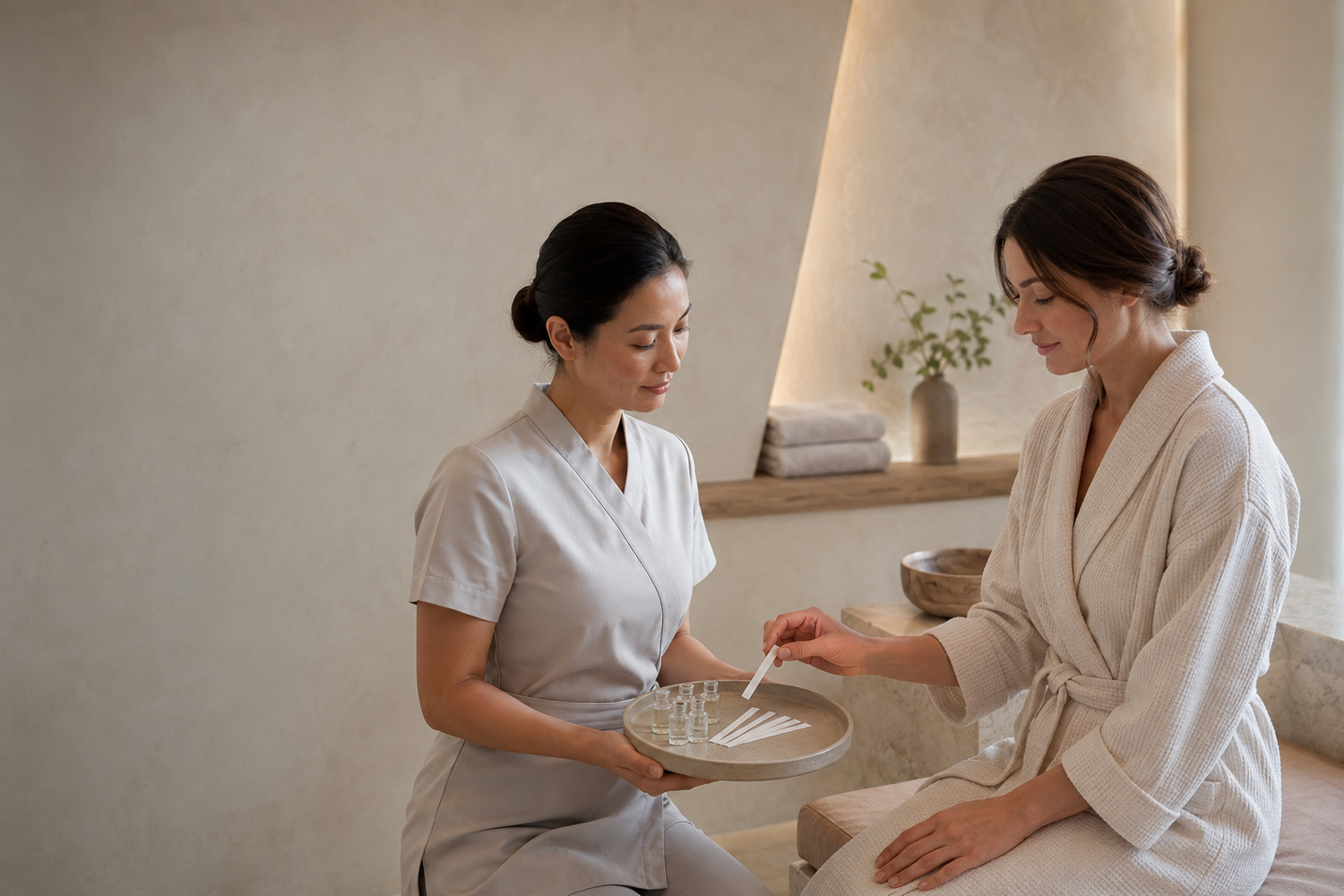
Building a genuinely inclusive skin practice isn’t about checking a box on a marketing sheet. It is about understanding the intricate biology of every skin type and tone, recognizing the distinct needs of every life stage, and creating an environment where every single person who walks through the door feels seen, respected, and safe.
1. Celebrating Inclusive Skin Care: The Science of Fitzpatrick I through VI
Skin comes in an endless array of rich, beautiful tones, but under the lens of professional skin care, pigment isn’t just about appearance: it is about biological behavior. The traditional Fitzpatrick scale categorizes skin types from I to VI based on how melanin responds to ultraviolet light and thermal energy. Yet, for years, high-tech treatments and aggressive peels were designed primarily around lighter skin types, leaving deeper skin tones vulnerable to severe complications like post-inflammatory hyperpigmentation (PIH), hypopigmentation, or scarring.
Melanin is a powerful defender, but it is also sensitive to inflammation. When skin with higher melanin content experiences heat, friction, or harsh chemical trauma, its natural response is to produce excess pigment as a defense mechanism. What was meant to clear a breakout or even out texture can quickly turn into long-lasting dark spots if the person holding the tools doesn’t understand pigment pathway mechanics.
Key Takeaway: True expertise means respecting the biology of melanin. Inclusivity requires customizing every active ingredient, treatment modality, and home-care routine to protect the skin barrier while delivering visible results across all six Fitzpatrick types.

An illustrative breakdown of pigment biology across Fitzpatrick types I–VI and how custom protocols prevent post-inflammatory hyperpigmentation (PIH).
2. Adapting to Life’s Shifts in Inclusive Skin Care: Hormonal and Gender-Affirming Skincare
Skin is never static. It shifts with stress, age, environmental exposure, and—most significantly—hormonal changes. From adolescent breakouts and pregnancy-induced melasma to peri-menopausal dryness, your skin reflects what is happening inside your body. Yet one of the most overlooked areas in traditional aesthetics is gender-affirming skincare.
When individuals undergo gender-affirming hormone therapy (GAHT), their skin undergoes profound physiological changes:
-
Testosterone Therapy: Often increases sebum production, changes pore structure, thickens the epidermis, and can trigger persistent adult acne along the jawline, chest, and back.
-
Estrogen & Anti-Androgen Therapy: Frequently softens the skin, thins the stratum corneum, decreases oil production, and alters moisture retention levels, sometimes leading to unexpected barrier compromised sensitivity.
Skincare shouldn’t require anyone to explain or defend who they are just to get a safe, effective treatment. Providing inclusive care means understanding these hormonal transitions inside and out, adapting protocols without judgment, and supporting each client’s unique journey toward feeling comfortable in their own skin.

3. Customization Over Cookie-Cutter Trends
The internet is flooded with “viral” skincare hacks, 10-step routines, and aggressive DIY treatments that promise overnight transformations. But skin care is not a one-size-fits-all product drop. What works wonders for a friend with light, oil-prone skin might destroy the moisture barrier of someone with rich, melanated, sensitive skin.
Every customized protocol must take into account:
-
Genetic Baseline & Melanin Response: How your skin naturally reacts to heat, sun, and trauma.
-
Current Barrier Health: Whether your skin is currently compromised, dehydrated, or inflamed.
-
Lifestyle & Environmental Stressors: Climate, sleep, work conditions, and daily exposure to pollution or blue light.
-
Personal Goals: What confidence means to you: whether that’s softening fine lines, clearing stubborn congestion, or simply achieving a healthy, quiet glow.
Instead of chasing fleeting social media trends, inclusive aesthetic care relies on steady, science-backed strategies tailored to the individual sitting in front of us.
4. Integrity and Boundaries: Knowing When to Care and When to Refer
One of the greatest marks of professional integrity in aesthetics is knowing the precise boundaries of our scope. Skin health practitioners do incredible work: we improve barrier function, soothe chronic inflammation, refine texture, and restore confidence. However, we are non-medical aesthetic specialists, not medical doctors. We do not diagnose medical skin conditions, nor do we attempt to treat active pathology under the guise of cosmetic care.
When a client presents with an undiagnosed skin lesion, unusual suspicious moles, severe cystic flares linked to systemic autoimmune issues, or complex dermatological conditions, the most caring and responsible action is to collaborate with medical professionals.
Building trust with clients means being radically honest about what non-medical aesthetics can accomplish—and protecting their long-term health by referring them to board-certified dermatologists or physicians whenever necessary.
5. Creating a True Sanctuary for inclusive Skin Care: Culture, Comfort, and Belonging
Walking into a clinic can be an intimidating experience. Many people carry years of embarrassment or shame about their skin, often heightened by past experiences where they felt misunderstood, dismissed, or judged by practitioners who didn’t know how to treat their specific skin type or background.
Inclusivity is an ongoing practice embedded in every interaction:
-
Attentive Listening: Listening to a client’s history without making assumptions about their routine or culture.
-
Thoughtful Touch: Adjusting pressure, temperature, and technique to respect personal comfort levels.
-
Transparent Guidance: Explaining why a specific product or technique is chosen, demystifying ingredient choices without jargon.
-
Safe Physical Spaces: Ensuring every client, regardless of gender identity, body size, age, or background, feels genuinely welcomed and cared for from the moment they book an appointment.When people feel safe, respected, and heard, skin care stops being a nerve-wracking chore and becomes a meaningful act of self-care.
Looking Forward: The Future of Skin Health in Inclusive Skin Care
The evolution of clinical aesthetics is demanding a fundamental shift: moving away from generic, one-size-fits-all beauty standards and stepping into an era of radical inclusivity, biological precision, and human-centered care. When we look across the entire journey of modern skin health, true progress isn’t defined by viral 10-step trends or superficial marketing claims; it is measured by our ability to honor every unique skin blueprint that walks through our doors.
From respecting the complex biology of Fitzpatrick types I through VI to safeguarding deeper skin tones against post-inflammatory hyperpigmentation (PIH) and thermal trauma, our duty is rooted in protective, evidence-based science. Skin health is an ever-evolving narrative shaped by life’s pivotal shifts – whether navigating adolescent breakouts, pregnancy-induced melasma, perimenopausal changes, or the profound physiological transformations that accompany gender-affirming hormone therapy. Honoring these transitions requires moving beyond rigid, cookie-cutter templates to build dynamic, bespoke protocols that protect the moisture barrier while honoring each client’s individual goals, lifestyle, and heritage.
Just as vital as our technical protocols is our professional integrity. As non-medical aesthetic specialists, true excellence means honoring our scope: dedicating ourselves to barrier restoration, deep hydration, and pigment management while seamlessly collaborating with board-certified dermatologists and physicians whenever medical pathology arises.
Ultimately, clinical excellence is incomplete without empathy. By embedding attentive listening, thoughtful touch, ingredient transparency, and radical acceptance into every touchpoint, we transform the clinical environment from an intimidating space into a true sanctuary of belonging. When science, ethics, and deep human respect unite, skincare ceases to be a nerve-wracking burden: it becomes an empowering act of self-care and a celebration of skin well lived.


About the Author: Marie Bertrand
Marie Bertrand | Microbiologist, Skin Scientist & Founder
Marie Bertrand is a Canadian microbiologist, skin scientist, and trusted authority in clinical skin health, skin longevity, and inclusive aesthetics. With over 20 years of experience translating complex molecular science into real-world skincare strategies, Marie is dedicated to replacing industry hype with evidence-based, transparent, and empathetic care.
Biographical Overview & Expertise
-
Scientific Background: Marie earned her degree in Microbiology & Immunology from the University of Montreal before completing a research internship at the National Institutes of Health (NIH) in Washington, D.C., focusing on molecular biology and regenerative science.
-
Industry Leadership: Prior to founding her own clinic, she served as the Medical Relations and Training Manager for L’Oréal’s Active Cosmetics Division, where she designed skincare training programs and educated over 250,000 professionals and consumers.
-
Founder of SkinScience Clinic (2007): Marie established SkinScience Clinic in Calgary, Alberta, as an independent, science-first clinic grounded in ethical consultations, customized protocols, and advanced skin analysis.
-
Founder of Aliquote Skin (2018): Recognizing a gap between lab formulas and treatment room results, Marie formulated Aliquote Skin, a clinical-grade Canadian skincare line focused on barrier health, smart ingredient delivery, and skin longevity.
-
The 12 Pillars of Skin Longevity: Marie is the creator of the 12 Pillars of Skin Longevity framework, an original methodology that shifts the focus away from anti-aging trends and toward supporting the interconnected biological systems of the skin.
Clinical Philosophy: Inclusivity & Ethical Integrity
Marie’s clinical practice rests on two core principles: biological accuracy and radical inclusivity.
-
Inclusivity Across All Fitzpatrick Skin Types (I–VI): Marie emphasizes that pigment is a biological behavior, requiring specialized care for dark skin tones to prevent post-inflammatory hyperpigmentation (PIH) and barrier damage. Her work actively supports diverse skin blueprints, including hormonal transitions and gender-affirming skincare protocols.
-
Clear Professional Scope: As a non-medical aesthetic specialist, Marie advocates for transparency in practice. She focuses on barrier health, hydration, and skin transformation while referring complex pathology and medical diagnoses to board-certified dermatologists and physicians.
What's Your Reaction?
 Like
0
Like
0
 Dislike
0
Dislike
0
 Agree
0
Agree
0
 Disagree
0
Disagree
0
 Excellent
0
Excellent
0
 Useful
0
Useful
0
 Great
0
Great
0