











































 Large.jpeg?format=1500w#)





Dry Skin With Acne: How to Treat Dry Acne-Prone Skin


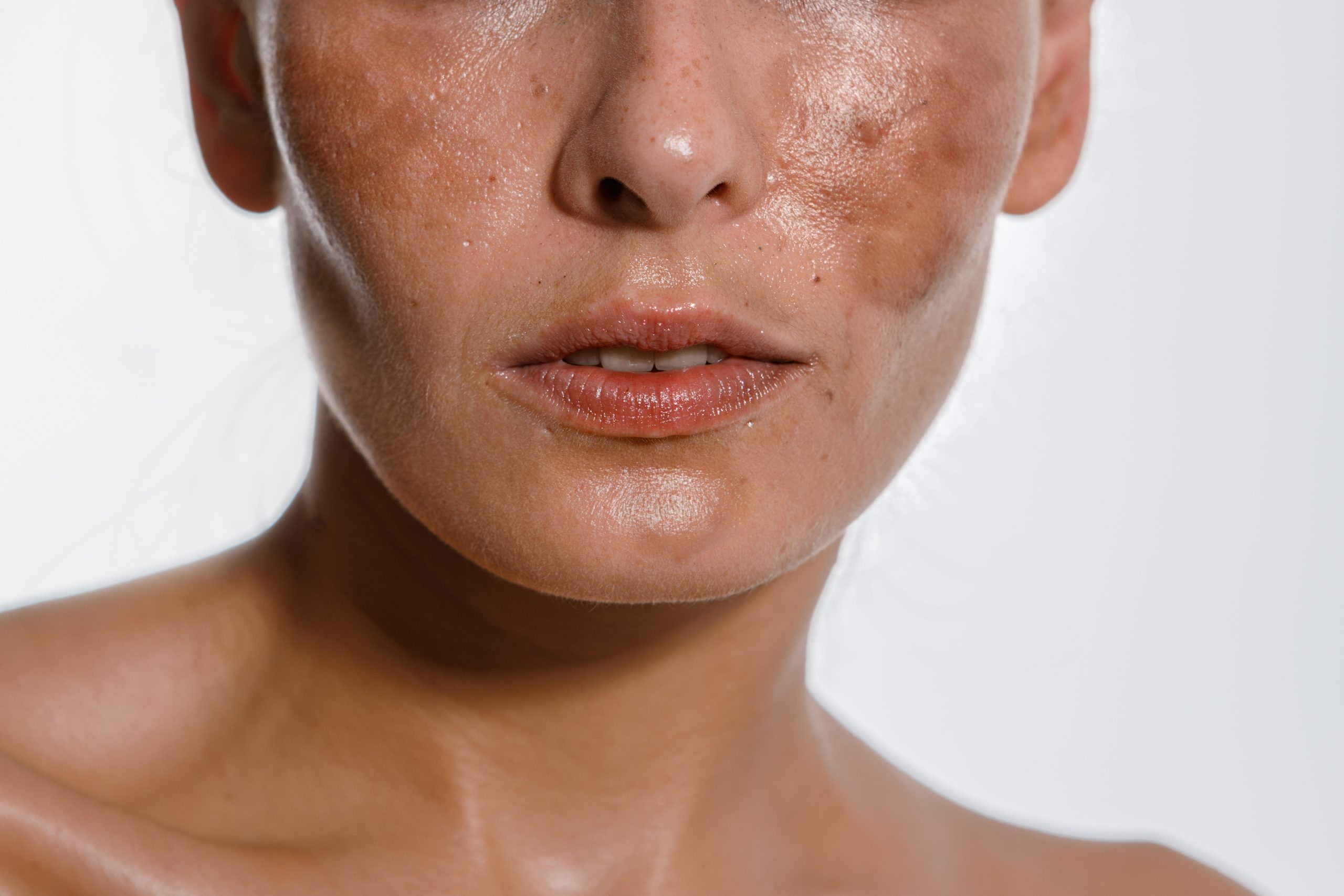
One of the hardest types of acne to treat is acne in dry skin. I see this often in my dermatology practice in both teenagers and adults including postmenopausal women. Most people assume that you have to have oily skin to get acne, but this is not true. My 30 years of experience treating acne has shown me that dry acne-prone skin is much more common than most people realize. I practice in Miami, a humid climate, and I still see it frequently. It can be an even greater problem in dry climates where environmental conditions can further challenge skin hydration and the skin barrier.
Dry skin with acne is particularly difficult to treat because many effective acne ingredients can make dryness and irritation worse. Benzoyl peroxide, exfoliating acids, and retinoids can all irritate an already compromised skin barrier. Yet avoiding effective acne treatments is not the answer. The solution is to design the entire dry skin acne skincare routine so that your cleanser, acne treatment, moisturizer, retinoid, and sunscreen work together to control acne while protecting the skin barrier, hydrating skin, and controlling inflammation.
The dry skin with acne problem becomes even more complicated when you have redness along with acne papules and pustules. Persistent redness, flushing, burning, or stinging may indicate that you are rosacea-prone in addition to having acne. Dry skin with acne and redness needs to be treated differently from dry skin with acne alone.
This is why knowing that you have dry acne-prone skin is only the beginning. To choose the right skincare routine, you also need to know what other barriers to skin health you have. Your Baumann Skin Type identifies these barriers and helps determine which acne treatments your skin can tolerate.
Table of Contents

Treating Dry Sensitive Skin Types with Acne
Dry skin has a weakened skin barrier. The outermost layer of the epidermis, the stratum corneum, is supposed to keep water inside the skin and keep irritating substances out. When this barrier is impaired, skin loses water more easily and ingredients penetrate more readily. This is why dry skin with acne is more likely to sting, burn, turn red, and become irritated by acne treatment products.
Many effective acne treatments are irritating to dry skin types.
- Benzoyl peroxide (BPO) is very difficult for most of my Dry, Sensitive (DS) patients to tolerate.
- Retinoids can cause dryness and peeling when you first begin using them
- Exfoliating acids like salicylic acid and azalaeic acid can further damage the skin barrier.
If you keep adding drying acne products, you can end up in a cycle of barrier damage → increased ingredient penetration → inflammation → more barrier damage.
This is why treating dry acne-prone skin is not about finding the strongest acne treatment. It is about designing a skin care routine for dry, acne prone skin that takes into account all of your skin's issues such as susceptibility to redness, stinging and allergies, presence of hyperpigmentation (dark spots where acne lesions were) and your risk of skin aging.
The entire skincare routine needs to be designed to help your skin tolerate the acne treatments and treat all of the barriers to skin health that you have.

Skin Type Determines How Acne Should Be Treated
As if dry skin with acne was not hard enough to treat, you may have other skin issues that need to be addressed at the same time, such as facial redness, dark spots, and signs of aging. Your skincare routine should target all of these concerns using ingredients and products that work well together and do not keep each other from working properly.
This is why knowing that you have "dry acne-prone skin" is not enough information to choose the best skincare products. You need to know which other barriers to skin health you have so that your entire routine can be designed to address them together.
There are four Dry + Sensitive (DS) Baumann Skin Types that can have acne:
DSNT: Dry, Sensitive, Non-Pigmented, Tight
DSPT: Dry, Sensitive, Pigmented, Tight
DSNW: Dry, Sensitive, Non-Pigmented, Wrinkle-Prone
DSPW: Dry, Sensitive, Pigmented, Wrinkle-Prone
All four can have dry skin and acne, but they should not use the same skincare routine.
This is why I recommend taking the Baumann Skin Type Quiz before choosing an acne routine. Once you know your complete skin type, products can be selected to address acne, dryness, inflammation, pigmentation, and aging as needed, rather than treating each problem separately.

Sensitive Skin Subtypes in Dry Skin with Acne
S= Sensitivie Skin
If you have acne, you are already an S, or Sensitive, Baumann Skin Type. Acne is one of the four sensitive skin subtypes, but you may have one or more of the other sensitive skin subtypes at the same time. These include a tendency toward:
- redness
- stinging
- skin allergies
Each of these tendencies affects which skincare ingredients and products are best to use in your dry ski with acne skin care routine..
For example, if your skin is prone to redness and inflammation, it may be more difficult for you to tolerate a retinoid, so the rest of your routine needs to be designed to help your skin tolerate it.
If your skin tends to sting, ingredients such as azelaic acid may be uncomfortable and may not be a good choice for you.
If you have skin allergies, your products need to be carefully selected to avoid ingredients that trigger your allergies.
Dark Spots in Dry Skin with Acne
P= Pigmented Spots on the face
The P in DSPT and DSPW stands for uneven pigmentation or dark spots left after acne lesions clear. P skin types have post inflammatory hyperpigmentation (PIH) - the dark marks that remain after acne lesions clear. If you have dry skin acne and dark spots from pimples, your routine needs skin-lightening ingredients in addition to acne treatments and barrier repair.
However, the best skin-lightening ingredients for your routine depends on your sensitive skin subtype. If you are prone to redness or stinging, you want to avoid skin-lightening ingredients that make these problems worse. If you have skin allergies, you also need to avoid lightening ingredients that contain your allergens. For example, hydroquinone and hydroquinone derivatives can cause allergic contact dermatitis in some people. The goal is to treat dryness, acne and pigmentation at the same time without increasing inflammation, because inflammation itself can make hyperpigmentation worse.
Skin Aging in Dry Skin with Acne
W = Wrinkle-Prone
The W in DSNW and DSPW stands for Wrinkle-Prone. W skin types need to address skin aging in addition to acne, dryness, and sensitivity. A retinoid is especially useful because it can help treat both acne and signs of skin aging. However, dry skin types with acne have trouble beginning a retinoid so cleanser and moisturizer choice and how they use the retinoid is critical.
A retinoid may not be enough for a W skin type. Depending on your complete Baumann Skin Type, your routine may also include additional anti-aging ingredients chosen to work with your acne treatment without causing unnecessary irritation. This is another reason the entire routine needs to be planned together rather than choosing an acne product and an anti-aging product separately.
T= Tight Skin
The T in DSNT and DSPT stands for Tight, which means your skin is not currently classified as wrinkle-prone. T skin types are under 30 with good sun protection habits and do not need an intensive anti-aging routine yet. This allows T Types to skip many additional anti-aging products and concentrate on treating dry acne-prone skin, repairing the skin barrier, controlling inflammation, and treating pigmentation if you are a P skin type.
Acne-prone dry skin types can have a variety of additional skin concerns that need to be addressed in the skin care routine without aggravating the acne or worsening the dryness.
This is why two people with dry skin and acne may need very different acne routines even though they are both DS skin types. This is why I recommend taking the Baumann Skin Type Quiz before choosing an acne routine. Once you know which of the 16 Skin Types you are, products can be selected to address all of your skin concerns together.

Skin Care Routine for Dry Skin with Acne
One of the biggest mistakes people with dry acne-prone skin make is concentrating only on treating acne.
Your cleanser, acne medication, moisturizer, retinoid, sunscreen, and any products used for pigmentation or aging all affect how well your dry skin with acne routine works and how your skin tolerates the rest of the routine.
Your cleanser and moisturizer should protect and repair the skin barrier so that you can use effective acne treatments, especially a retinoid, without causing unnecessary inflammation.
In general, a skincare routine for dry acne-prone skin needs:
- A noncomedogenic, barrier-safe cleanser
- An acne treatment that does not excessively dry or irritate the skin
- A noncomedogenic barrier-repair moisturizer
- A retinoid introduced slowly and correctly
- A noncomedogenic moisturizing sunscreen
Which products are best depends on your exact Baumann Skin Type. DSNT, DSPT, DSNW, and DSPW skin can all have acne, but they have different needs. Once you take the Baumann Skin Type Quiz, I can recommend the exact products I have chosen for your skin type. But first, let's look at what to consider when choosing each product in a skincare routine for dry skin with acne.
Best Skin Care Products for Dry Skin with Acne
The best skincare products for dry acne-prone skin depend on all of your skin concerns, including whether you also have redness, stinging, skin allergies, dark spots, or signs of aging. However, there are some general guidelines that can help you choose cleansers, acne treatments, moisturizers, retinoids, and sunscreens that are better suited for dry skin with acne. If you are using products that are not on this list, check the product label for comedogenic ingredients that may clog pores and make acne worse.
The Best Cleansers for Dry Acne-prone skin types
The best cleansers for dry acne-prone skin should remove sunscreen, makeup, excess sebum, and dirt without stripping the lipids that protect the skin barrier. Look for barrier-safe cleansers without harsh surfactants. Creamy, nonfoaming cleansers are often ideal because they tend to be less drying than strongly foaming cleansers. Remember that your skin does not need to feel tight or "squeaky clean" after washing. That feeling can be a sign that the cleanser has removed too many of the skin's protective lipids.
If you do not have irritation, redness, stinging, burning, or peeling and your skin is already acclimated to a retinoid, a hydroxy acid cleanser may help treat acne. Hydroxy acids lower the skin's pH and help loosen the bonds between dead skin cells, which can help keep pores from becoming clogged. A lower skin surface pH may also make the environment less favorable for acne-causing bacteria. Alpha hydroxy acids (AHAs) such as glycolic and lactic acid also have humectant properties that can help increase skin hydration. However, acid cleansers are not right for everyone with dry acne-prone skin. Do not use a hydroxy acid cleanser when your skin is stinging, burning, irritated, or peeling. In these situations, concentrate on calming inflammation and repairing the skin barrier before adding an acid cleanser.


The Best Acne Treatments for Dry Skin
It can be very difficult to find a good acne treatment toner or serum for dry acne-prone skin. Salicylic acid is effective for unclogging pores and treating acne, but it can be too drying for many Dry + Sensitive skin types. Alpha hydroxy acids (AHAs) can help exfoliate the skin and keep pores clear, and some AHAs can also help hydrate the skin, but they do not provide enough antimicrobial activity to treat inflammatory acne on their own. Many other acne toners contain alcohol, multiple exfoliating acids, or other ingredients that can increase dryness and irritation. The acne treatment toners and serums listed here are the best options I have found for dry skin with acne because they balance acne-fighting benefits with the need to protect the skin barrier.


The Best Noncomedogenic Barrier Repair Creams for Dry Skin
A barrier-repair moisturizer is one of the most important products for dry acne-prone skin. Effective barrier-repair moisturizers should contain ceramides, cholesterol, and fatty acids in the proper balance to replace the lipids in the skin barrier. Repairing the barrier helps decrease dryness and irritation and makes it easier to tolerate acne treatments such as retinoids.
Choosing a barrier-repair moisturizer for acne-prone skin can be tricky because some fatty acids and other lipid ingredients may clog pores. Palmitic acid, for example, can be comedogenic in some formulations. If you have acne-prone skin, avoid moisturizers with potentially comedogenic ingredients unless the brand has tested the finished product and explicitly states that it is noncomedogenic.
Also be careful with humectants such as hyaluronic acid and glycerin because they can act as penetration enhancers. When you have dry, sensitive skin and are using irritating acne treatments, I do not recommend adding a separate hyaluronic acid serum to your routine. Some hyaluronic acid and glycerin in a barrier-repair moisturizer is fine as long as these humectants do not predominate. The main goal is to repair the skin barrier with ceramides, cholesterol, and fatty acids, rather than simply adding more humectants.


Retinoids are one of the most important treatments for acne, but dry acne-prone skin needs to start slowly. I recommend beginning with a low-strength retinol every third night, applied on top of your moisturizer. Starting this way helps your skin gradually adjust to the retinoid and reduces the risk of inflammation, dryness, peeling, stinging, and other retinoid side effects. It can also help minimize the irritation and inflammation that can occur during retinoid purging. Once your skin is tolerating the retinol without irritation, you can gradually increase how often you use it.
The retinols listed below are low-strength retinoids that I recommend for dry skin with acne. If these are appropriate for you and the best choice depends on your Baumann Skin Type and whether you also have redness, stinging, dark spots, or other skin concerns.


Bottom Line: The Best Routine for Dry Acne-Prone Skin
These skincare recommendations are a general guide for treating dry skin with acne, but the best routine depends on more than whether your skin is dry and acne-prone. Your other skin concerns, sensitivities, lifestyle, habits, and product preferences all affect which products will work best for you.
Taking the 16 Baumann Skin Type Quiz allows us to further customize your dry skin routine for acne-prone skin. The quiz identifies whether you also have concerns such as redness, stinging, skin allergies, dark spots, or signs of aging, while also learning about your skincare habits and preferences. We use this information to recommend a complete skincare routine designed for your specific Baumann Skin Type, rather than giving everyone with dry skin and acne the same products.
[[ctaquiz]]

Dr. Leslie Baumann MD, FAAD

Best References and Scientific Publications on Dry Skin with Acne
- Sally, R., Reider E. Acne (Type 1 Sensitive Skin) in Ch.16 of Baumann's Cosmetic Dermatology Ed 3. (McGraw Hill 2022)
- Baumann L. Dry Skin in Ch.12 of Baumann's Cosmetic Dermatology Ed 3. (McGraw Hill 2022)
- Baumann, L. Acne Ingredients Ch. 75-80 Cosmeceuticals and Cosmetic Ingredients (McGraw Hill 2015)
- Deng, Y., Wang, F., & He, L. (2024). Skin barrier dysfunction in acne vulgaris: pathogenesis and therapeutic approaches. Medical science monitor: international medical journal of experimental and clinical research, 30, e945336.
- Draelos, Z. D., Baalbaki, N., Colon, G., & Dreno, B. (2023). Ceramide-containing adjunctive skin care for skin barrier restoration during acne vulgaris treatment.
- Mao-Qiang, M., Feingold, K. R., Thornfeldt, C. R., & Elias, P. M. (1996). Optimization of physiological lipid mixtures for barrier repair. Journal of Investigative Dermatology, 106(5), 1096-1101.
- Mao-Qiang, M., Brown, B. E., Wu-Pong, S., Feingold, K. R., & Elias, P. M. (1995). Exogenous nonphysiologic vs physiologic lipids: divergent mechanisms for correction of permeability barrier dysfunction. Archives of Dermatology, 131(7), 809-816.
- Natarelli, N., Nong, Y., Maloh, J., & Sivamani, R. (2022). Hypochlorous acid: Applications in dermatology. Journal of Integrative Dermatology.


What's Your Reaction?
 Like
0
 Dislike
0
 Agree
0
 Disagree
0
 Excellent
0
 Useful
0
 Great
0