



































































Nearly two thirds of whitening products tested exceeded peroxide limit
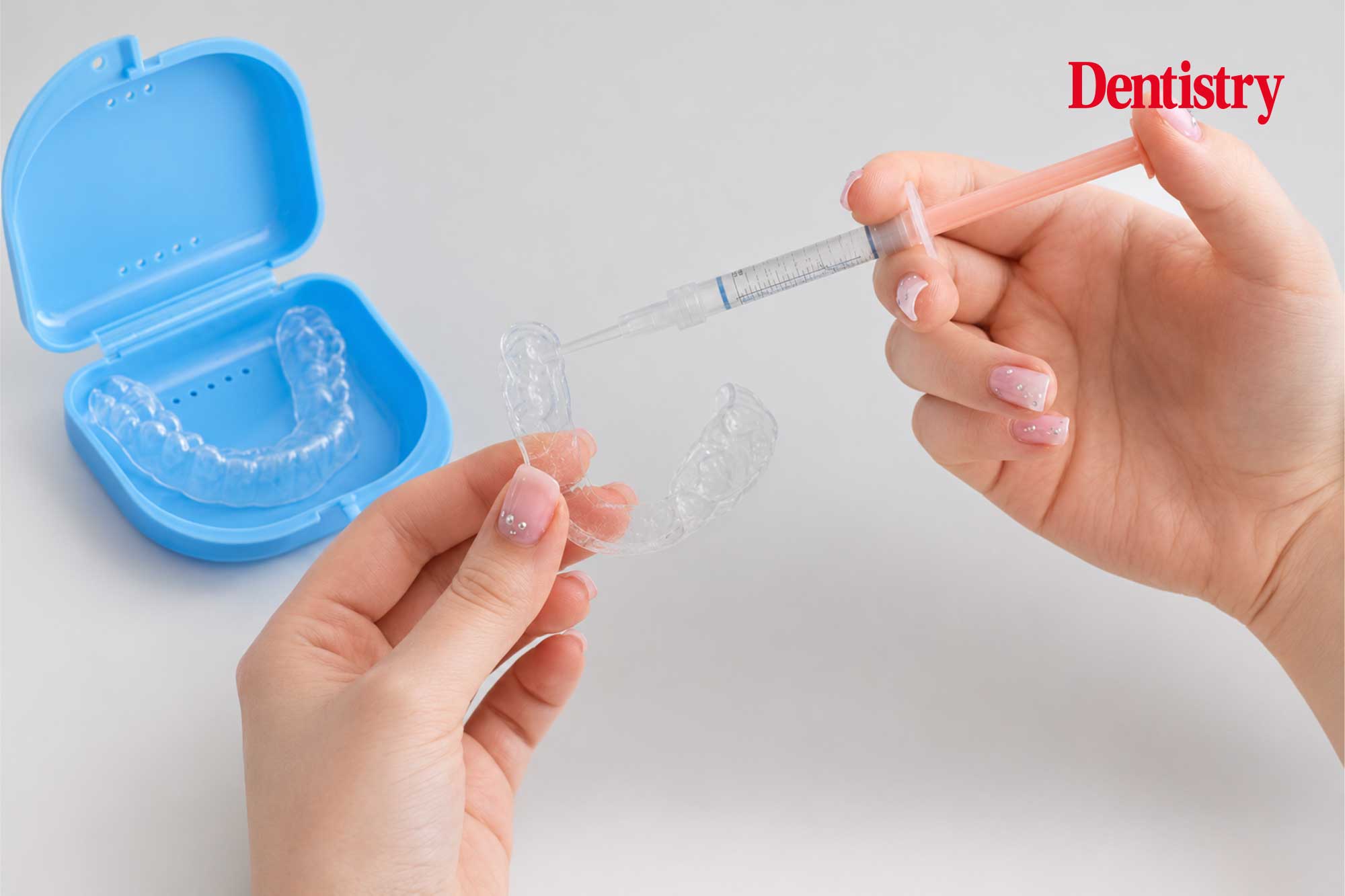
Almost two thirds of tooth whitening products in a targeted safety assessment exceeded the hydrogen peroxide limit for products sold directly to consumers, the UK product safety regulator has revealed.
The Office for Product Safety and Standards (OPSS) tested 70 products during 2025/26 and found that 45 contained more than the permitted consumer limit of 0.1% hydrogen peroxide.
Its annual delivery report also revealed that imported teeth-whitening goods valued at more than £1 million had been seized during the year.
What are the legal peroxide limits?
Products containing or releasing no more than 0.1% hydrogen peroxide can be sold directly to consumers.
Products containing more than 0.1% and up to 6% can only be sold to dental practitioners.
Whitening products containing or releasing more than 6% hydrogen peroxide are prohibited for cosmetic use.
OPSS said its online enforcement work had included engagement with major marketplaces such as Amazon, eBay, TikTok Shop, AliExpress, Meta and Fruugo.
It also worked with HM Revenue and Customs (HMRC), Border Force and fulfilment houses to identify non-compliant imported products.
It stressed that the assessment was deliberately targeted at products of concern.
Whitening products linked to £8.5 million fraud
The findings followed the imprisonment of two men who sold whitening products containing dangerously high concentrations of hydrogen peroxide while stealing value added tax (VAT) charged to customers.
Ian Barnes and Alastair Ramage were jailed for a combined eight years and 10 months after an £8.5 million tax fraud.
Messages disclosed during the investigation showed that the pair knew customers had reported dental damage. The case was separate from the OPSS testing and seizures.
The British Dental Association said the prosecution demonstrated the need for regulators to act against illegal whitening products before patients were harmed, rather than relying on tax investigations to secure convictions.
Jonathan Meadows, managing director of Regulation Resolution Solicitors, said: ”What stays with me is that these men went to prison for unpaid tax, not for the harm. The damage only surfaced because a patient sat in a dental chair.
‘That’s where you come in. You are often the first to see the burns, the sensitivity, the lost enamel. Record it carefully. Ask where the treatment came from. Report it to the GDC.
‘Illegal whitening thrives because no single agency sees the whole picture. Your chairside notes might be the piece that’s missing.’
What should dental teams record?
Dental professionals may be among the first people to identify injuries caused by products bought online or supplied by an unregistered whitening provider.
The General Dental Council requires dental professionals to maintain complete, accurate and contemporaneous patient records. Where a potentially unsafe whitening product is involved, useful information includes:
- The product and brand name
- The batch or lot number, where available
- The ingredients and peroxide concentration shown on the packaging
- Where, when and from whom the patient obtained it
- How frequently and for how long it was used
- When the symptoms began
- Clinical findings, photographs and the treatment provided
- Advice given to the patient and any referral or follow-up arranged.
Patients should be encouraged to retain the product, packaging, receipt and screenshots of the online listing.
Suspected unsafe consumer products can be reported through the Citizens Advice consumer service in England and Wales, Advice Direct Scotland in Scotland or the relevant district council in Northern Ireland. Reports can be referred to Trading Standards and escalated to OPSS.
Create a free account for unlimited access — plus the Dentistry Bulletin delivered to your inbox.
Apa Reaksi Anda?
 Suka
0
 Kurang Suka
0
 Setuju
0
 Tidak Setuju
0
 Bagus
0
 Berguna
0
 Hebat
0