









































%20and%20Batch%20Production%20Records%20(BPR).png)











Are TV soundbites damaging dentistry?

Seb Evans responds to the unfair portrayal of private dentistry on TV chat shows to explain why dental practice profits aren’t an opportunity to plug the holes in NHS dentistry.
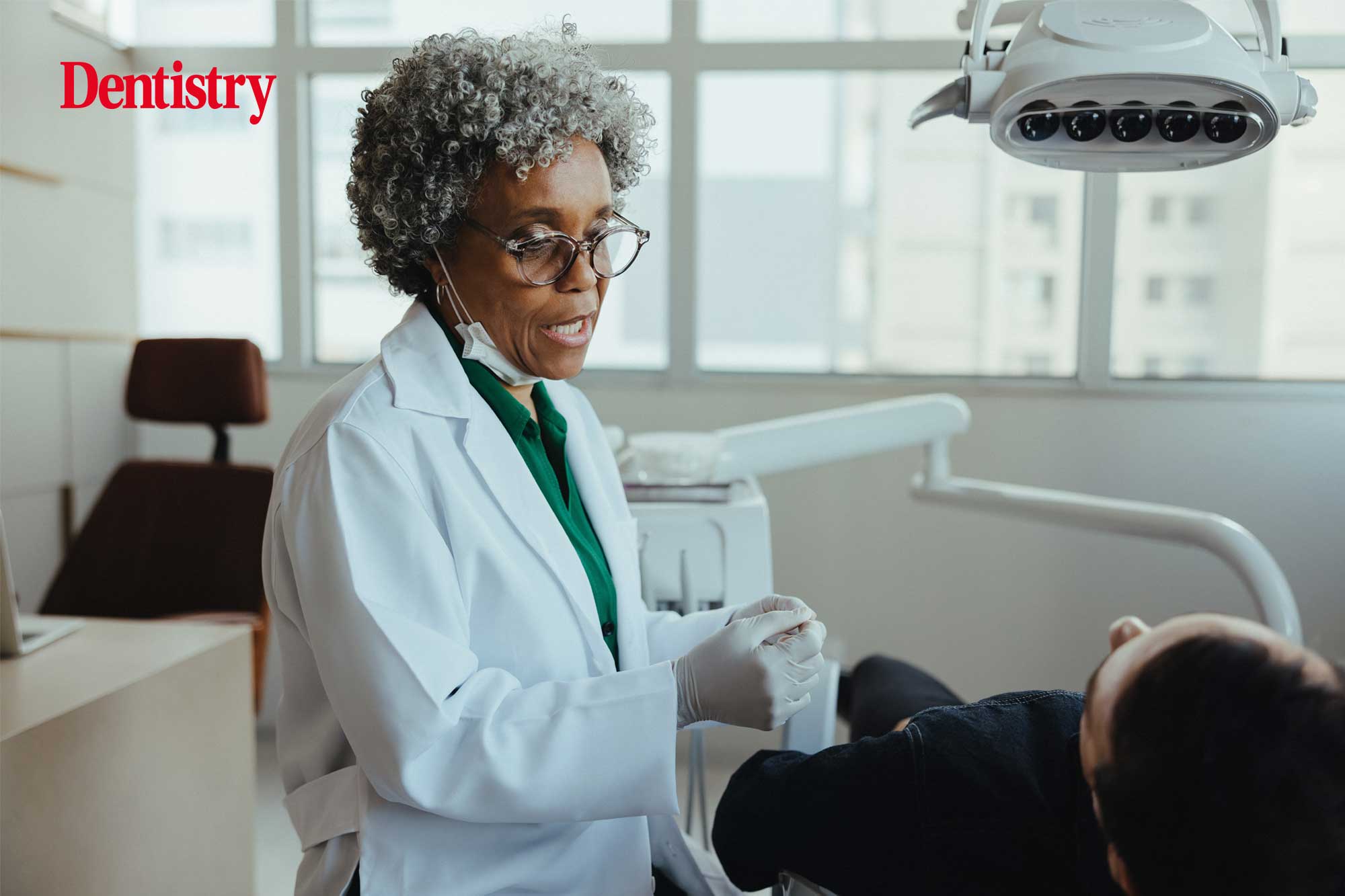
Another morning, another TV chat panel, and another wave of misinformation directed at the dental profession.
This time, the stage was Channel 5’s Jeremy Vine on 5, where Matt Allwright and an ex-dental practice manager took aim at the cost of private dental treatment.
The claim – a dental implant costs just £200 to produce, yet ‘greedy’ dentists charge £2,000. Cue the collective gasps from the studio audience.
As someone who spends a lot of time speaking to the teams running these practices, this level of discussion is not just frustrating: it’s fundamentally dangerous. It reveals a deep-seated misunderstanding of how clinical care, business and our society actually function.
The myth of the £200 implant
Let’s look at that £200 figure. What exactly does that cover?
In the world of soundbites, it presumably covers the physical screw and the crown. But a dental practice isn’t a vending machine.
When a patient pays for an implant, they aren’t just buying a piece of titanium; they are paying for:
- Highly skilled time – the hours spent by the dentist, dental nurses, and hygienists to ensure the patient’s oral health is stable enough for surgery
- The invisible costs – lab bills, digital scanning equipment, sterile surgical environments, electricity, heating and marketing
- Expertise – five years of initial university training, followed by years of expensive postgraduate education specifically in dental implants
- Security – the cost of indemnity insurance and the clinical responsibility for a procedure that must last for years to come.
When you factor in the going rate for a professional’s experience and the risk involved in surgery, £2,000 starts to look less like profit and more like a fair reflection of modern clinical overheads.
For an ex-practice manager to undermine her former colleagues by ignoring these basics is, frankly, disappointing.
In fact, the more I look at the above, the more I think £2,000 is undervaluing the amount of expertise and time that goes into a dental implant.
A flawed solution for the NHS
To be fair to Matt Allwright, he didn’t weigh in with his thoughts at this point, perhaps because he wasn’t aware of the economics of running a dental practice.
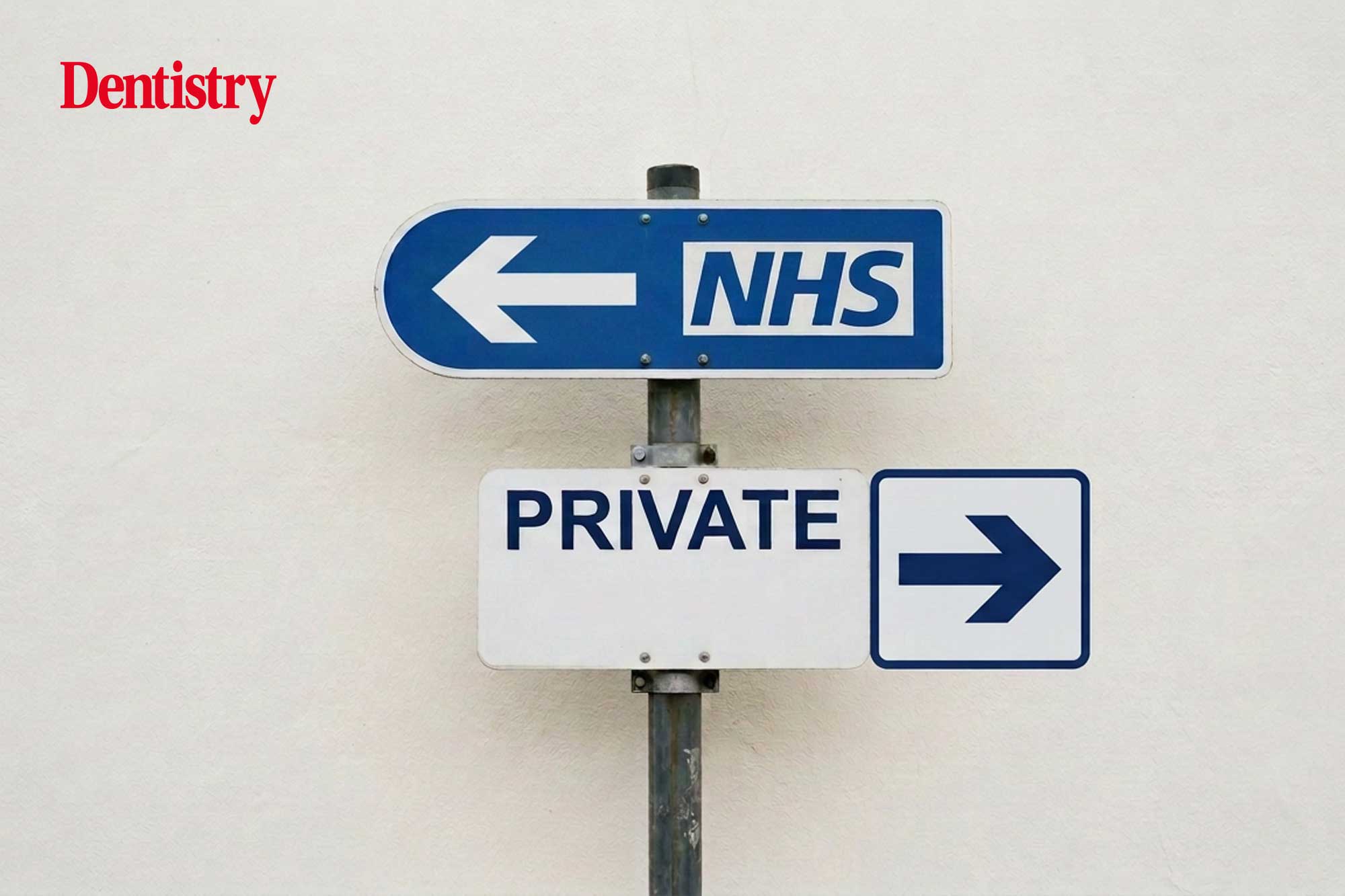
However, he did have one suggestion: shouldn’t private fees be used to subsidise the failing NHS dental sector?
I hate to break it to him, but that’s already the case!
Thousands of practices across the UK only stay afloat because their private work covers the losses many make on NHS contracts.
But beyond that, is this truly the world we want to live in?
Should we have a system where the government promises a service, fails to fund it, and then expects private business owners to pay for it out of goodwill?
If we apply that logic elsewhere, should TV hosts chip in their own salary to fund the BBC or Channel 5’s licensing?
Why should dentists be the only ones expected to risk their livelihoods to plug a hole left by decades of government underfunding?
The need for education
This whole segment highlights a desperate need for education.
We have a public that doesn’t understand why they can’t get free treatment, presenters who think profit is a dirty word, and even former staff who don’t understand the balance sheet of the rooms they worked in.
Dentistry is a profession, but it is also a business.
If we want high-quality, safe and innovative care, we have to pay for the expertise required to deliver it. Until we start having honest conversations about the true cost of care – instead of chasing money-grabbing headlines – the crisis in UK.
Follow Dentistry.co.uk on Instagram to keep up with all the latest dental news and trends.
Apa Reaksi Anda?
 Suka
0
Suka
0
 Kurang Suka
0
Kurang Suka
0
 Setuju
0
Setuju
0
 Tidak Setuju
0
Tidak Setuju
0
 Bagus
0
Bagus
0
 Berguna
0
Berguna
0
 Hebat
0
Hebat
0