



















































%20and%20Batch%20Production%20Records%20(BPR).png)

















Breaking Barriers in Knee Surgery: New Hope for Faster Recovery After TKA
Rethinking Pain Management in Knee Replacement
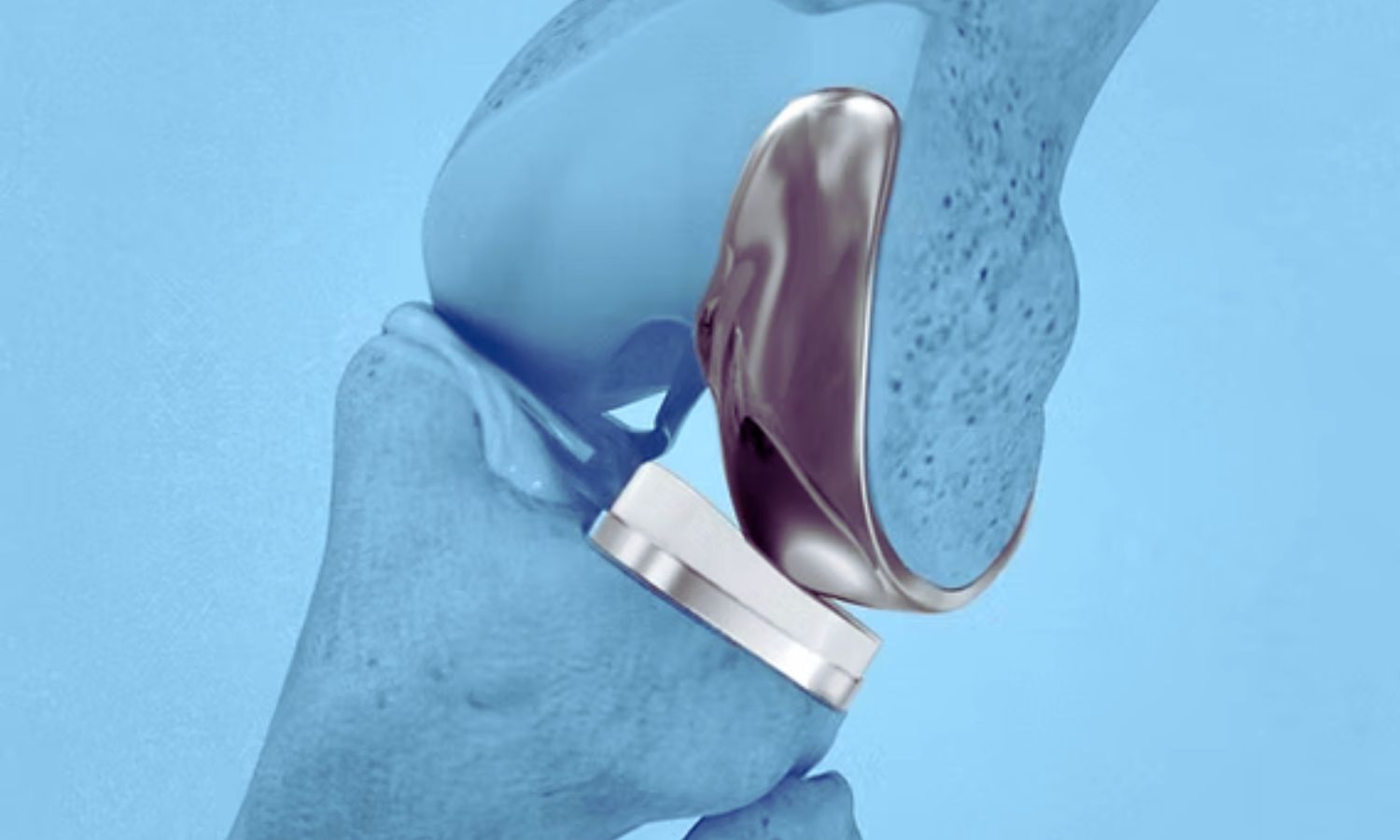
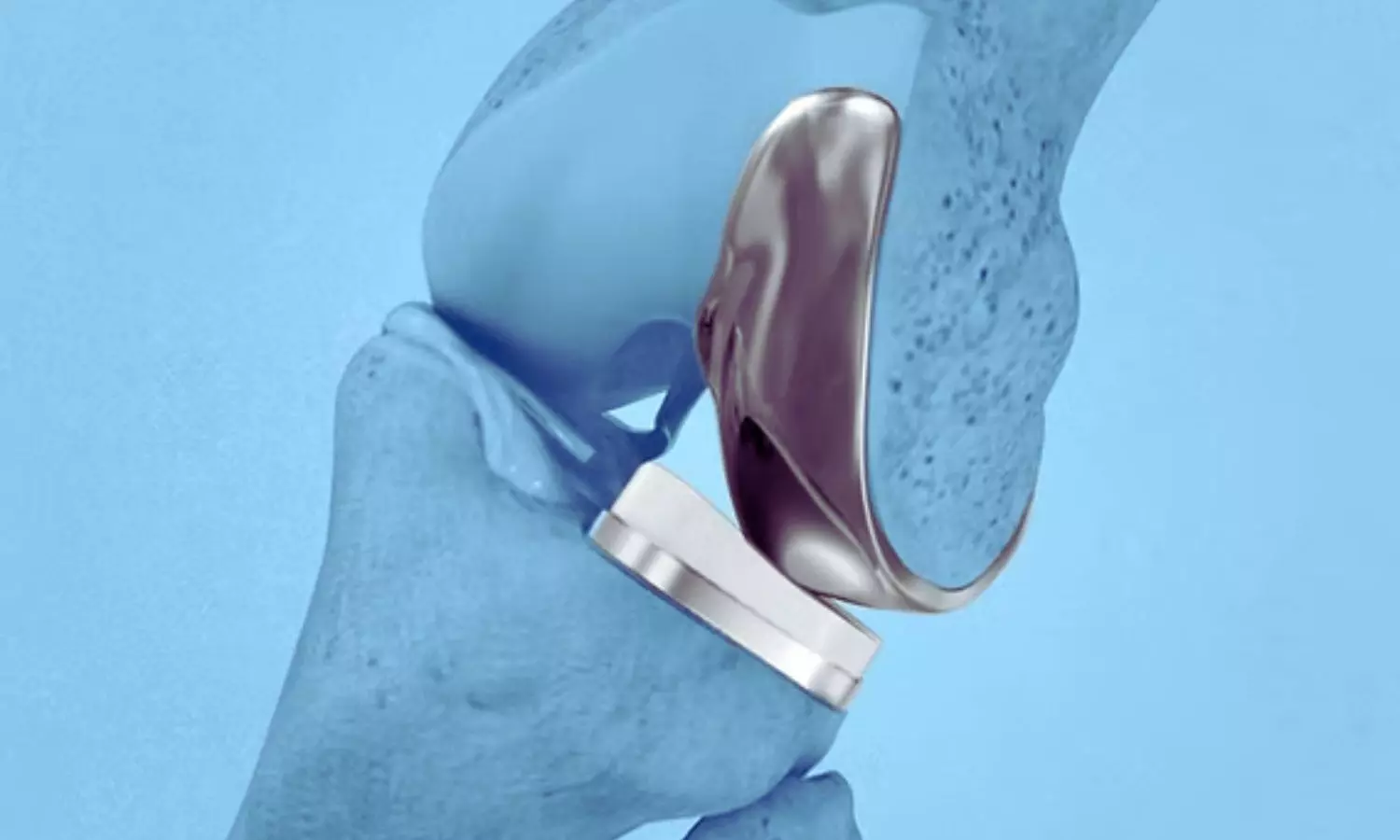
Total knee arthroplasty (TKA) is a common surgical procedure to relieve pain and restore mobility in patients with severe knee arthritis. However, effective postoperative pain management remains a challenge, directly impacting rehabilitation, mobility, and patient satisfaction. Traditionally, combinations of femoral and sciatic nerve blocks (S+F) have been used to reduce pain, but these can hinder early movement due to muscle weakness. Enter the new contender: adductor canal block (ACB) combined with the iPACK block (A+I), which aims to provide pain relief without compromising motor function.
Study Design: Comparing Two Nerve Block Techniques
Researchers from Fu Jen Catholic University Hospital, Taiwan, undertook a retrospective cohort study to compare the efficacy of ACB combined with iPACK versus traditional S+F nerve blocks in patients undergoing TKA. Using data from 126 patients, they applied propensity score matching to ensure a fair comparison based on age, sex, BMI, and anesthetic regimen. The study primarily measured pain scores, with secondary outcomes including motor function recovery, range of motion (ROM), and the time to first ambulation.
Key Findings: Less Pain, Faster Steps
Superior Pain Relief with Movement
The A+I group consistently reported lower pain scores at rest and during movement, especially in the immediate postoperative period and on the first two days after surgery. Notably, movement-associated pain—a major barrier to early rehabilitation—was significantly less in the A+I group.
Motor Function Matters
Patients receiving A+I experienced dramatically less motor blockade than those with S+F. This translated to a higher degree of knee flexion and, most importantly, allowed for earlier ambulation—an essential factor in preventing complications and expediting recovery.
Reduced Opioid Consumption
The A+I regimen resulted in lower opioid requirements in the postoperative period, reducing the risk of side effects and supporting the global movement toward opioid-sparing strategies.
Clinical Impact: Toward Enhanced Recovery
The study’s results support the use of ACB combined with iPACK as a superior approach for pain management after TKA. By sparing motor function while effectively controlling pain, this method accelerates early rehabilitation and mobilization, potentially improving long-term outcomes. The research aligns with a growing body of evidence advocating for multidisciplinary, motor-sparing analgesic regimens in joint replacement surgery.
Limitations and Future Directions
While the study demonstrates clear benefits, its retrospective design and single-center nature warrant further multicenter, randomized controlled trials. Additionally, future research should explore long-term functional outcomes and patient quality of life.
Takeaways
A+I nerve block regimen results in less pain and faster mobilization after knee replacement compared to S+F.
Patients in the A+I group showed less motor blockade and greater range of motion on day one.
Opioid consumption and the need for rescue pain medication were lower with A+I.
Early ambulation was significantly improved with A+I, supporting enhanced recovery protocols.
Citation
Sung, C.-H., Liu, J.-H., Hung, C.-F., & Fu, C.-H. (2025). Comparative analysis of adductor canal block combined with iPACK block versus femoral combined with sciatic nerve blocks: a propensity score matched study. BMC Anesthesiology, 25:249. https://doi.org/10.1186/s12871-025-03112-z
Apa Reaksi Anda?
 Suka
0
Suka
0
 Kurang Suka
0
Kurang Suka
0
 Setuju
0
Setuju
0
 Tidak Setuju
0
Tidak Setuju
0
 Bagus
0
Bagus
0
 Berguna
0
Berguna
0
 Hebat
0
Hebat
0