









































%20and%20Batch%20Production%20Records%20(BPR).png)
















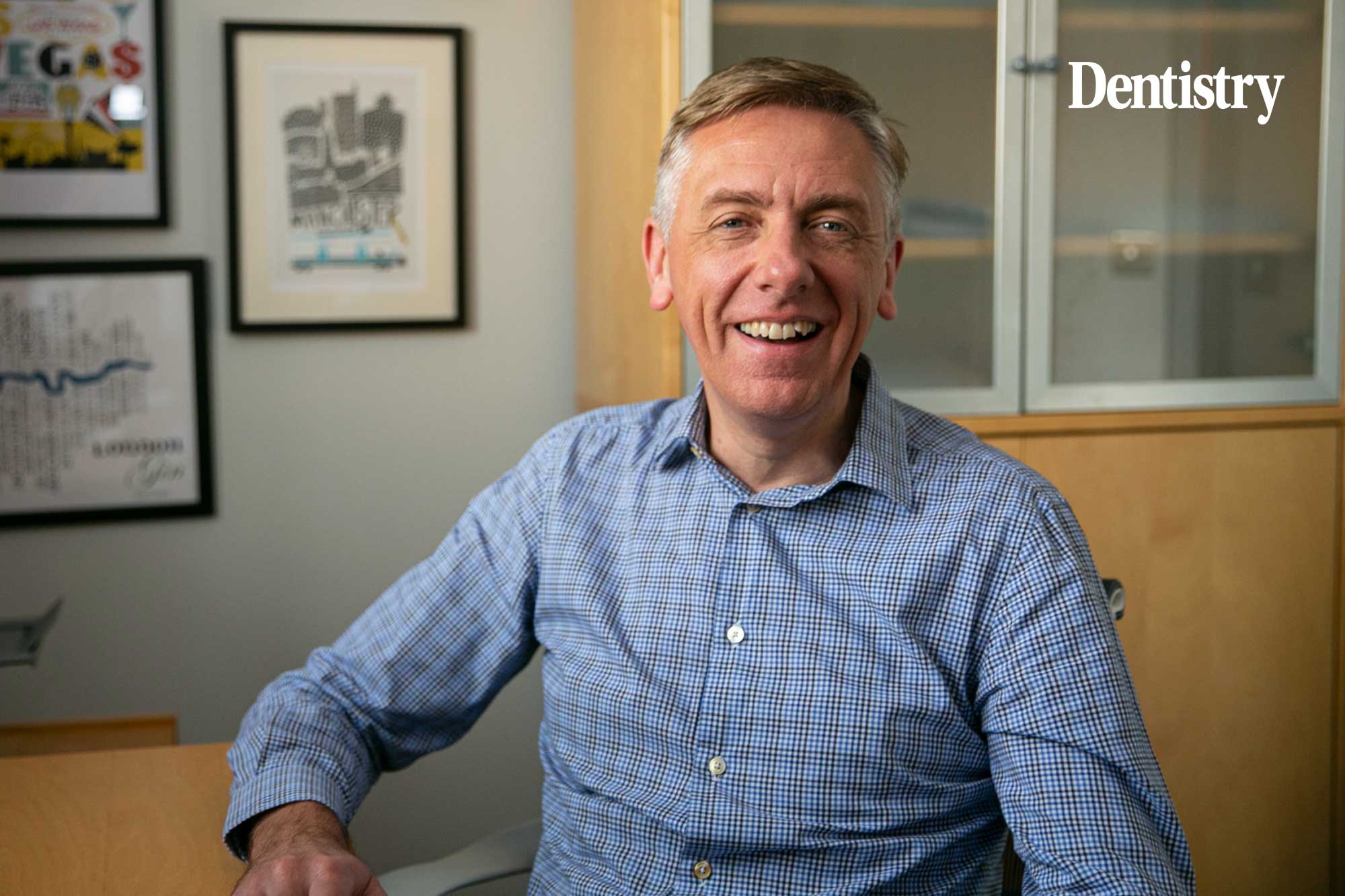
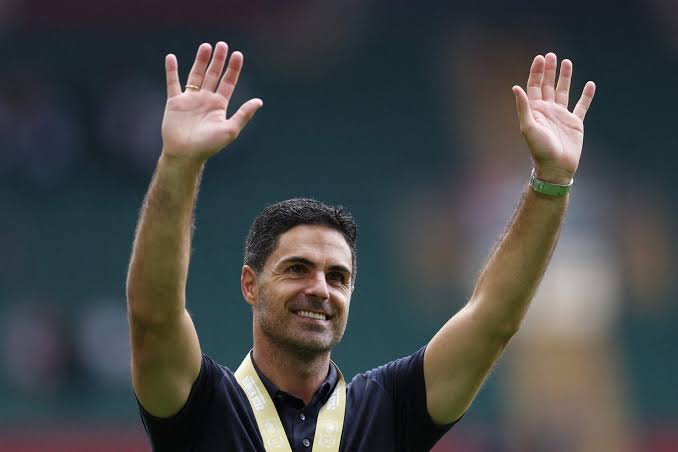
Convincing Andy Burnham NHS dentistry is vital

As the profession wait for Andy Burnham to address NHS dentistry, Nigel Jones highlights how routine visits could support a wider approach to preventing ill health.
Another summer, another Prime Minister, another list of priorities that dentistry is fighting to top. Given the enormity of the challenges facing Andy Burnham, social care being just one of the many significant examples, I suspect we will see yet more frustration for the British Dental Association (BDA), the Association of Dental Groups (ADG) and the thousands of NHS dentists in England waiting for the oft-promised fundamental reform of the NHS dental contract.
The day-to-day battles being fought by so many in the profession to keep NHS dentistry alive and kicking must be exhausting and at some point, something has got to give. Too often, that is the mental health of dental practitioners and can also be their physical health and their financial wealth. It is so unjust.
One of the most exasperating aspects of the current state of affairs is that from my privileged position as a long-time observer of UK dentistry, there are so many reasons to be optimistic about how the dental market will develop over the next couple of decades.
The big challenges facing Andy Burnham
For example, through my podcasts, webinars and conference attendance, I have met and listened to so many people in the past few months that fill me with hope and excitement about the future role that the dental profession can play in one of those big challenges facing Andy Burnham – safeguarding and improving the health of the nation and the NHS.
The presentation at this year’s ADG Conference by Professor Nora Colton of UCL Global Business School of Health was a fascinating endorsement of how dentistry has been leading the way for decades when it comes to a prevention-focused approach to healthcare.
We can get so preoccupied with the 40-50% of the population that don’t visit the dentist that we forget the majority are willingly turning up for a health screening, usually every six or 12 months. On top of that, it’s a screening for which most of them pay!
Rather than applying NICE guidelines to reduce that frequency of attendance, shouldn’t the focus be on how to harness it for wider prevention measures? Thankfully, that’s exactly what more entrepreneurial thinkers in dentistry are starting to do.
Looking beyond oral health
Take James Goolnik as an example who told me recently, he starts his regular dental examinations with the question to his patients: ‘How did you feel when you woke up this morning?’ That simple question opens a window into the wider health of the patient and prompts the kind of discussion that can lead, for example, to addressing sleep apnoea that can damage sleep quality and hamper the patient’s ability to make healthy lifestyle choices.
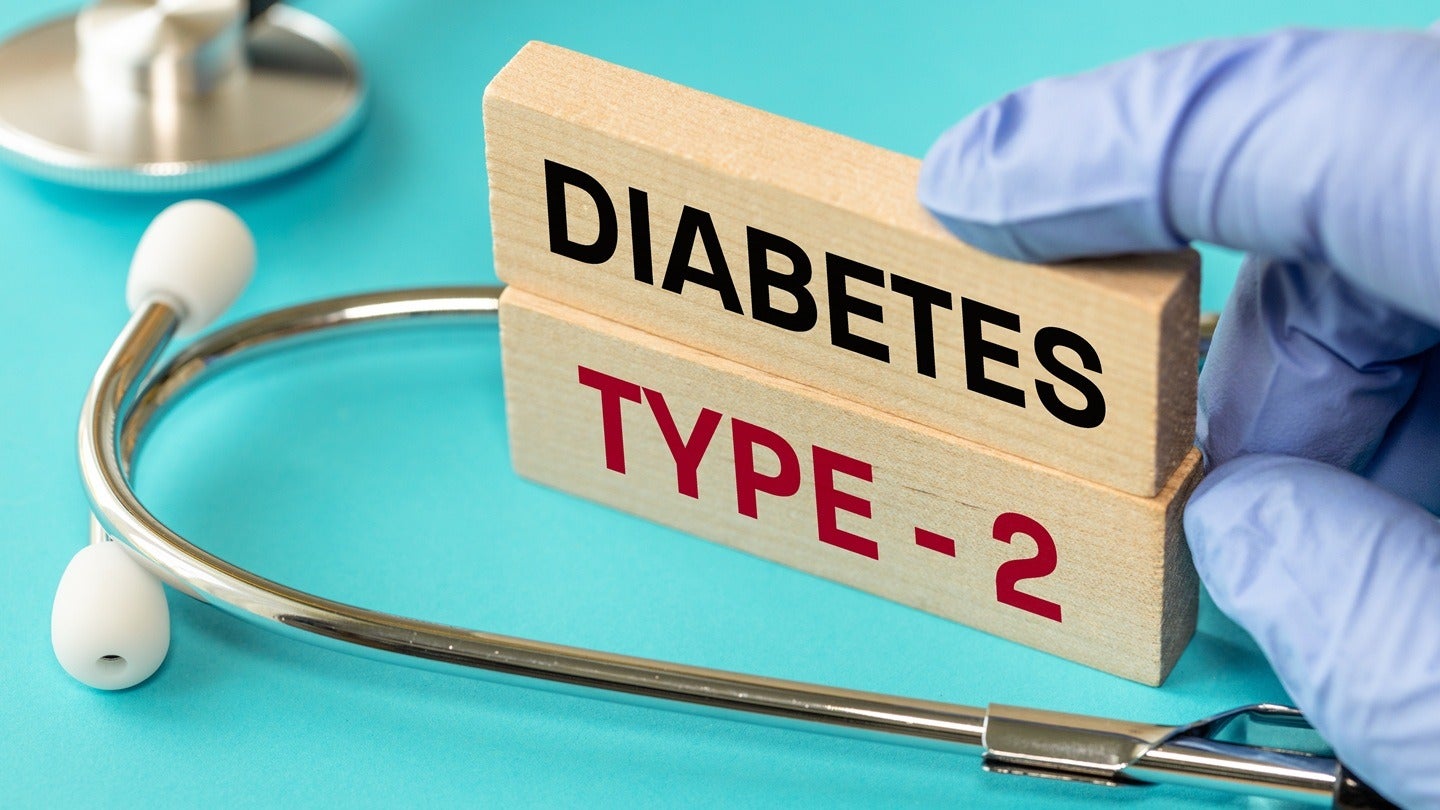
Or look at the growing number of practices that are taking advantage of their patients being in the surgery by extending their oral health examinations to include screens for cholesterol levels, diabetes and even blood pressure. Any issues that come to light prompt the recommendation for the patient to investigate further via their pharmacy or GP.
The wait for an NHS appointment with any GP let alone ‘your’ GP can be alarmingly long depending on your location. Which is why more dental practices are utilising the spare rooms on their premises to offer access to private GPs who offer both speed of access and continuity of care. Indeed, I was recently in the company of the owner of a small group of dental practices and his GP wife that are doing exactly that.
Alternatives to NHS dentistry
Yet others are going further and offering the private GP equivalent of dental membership plans that build in an annual health screen as well as, within fair usage terms and conditions, unlimited appointments. Some of these plans include discounts off any follow-up treatment with physios and podiatrists housed in the same building.
With the rapidly expanding amount of research and evidence linking oral health to heart disease, strokes, dementia and cognitive decline to name but a few and the focus on the oral as well as gut microbiome, the importance of dental care is growing.
I first came across Andy Burnham in 2006 when he was minister for delivery and reform at the Department of Health before he went on to become secretary of state for health in 2009. Unlike many of his predecessors, this experience must have given him a deep insight into the root causes of so many of the problems facing the NHS.
In an ideal world, he will see NHS dentistry as an enabler to addressing some of those problems. In the real world, I suspect we will see a continuation of the PR management we’ve seen with successive governments of various persuasions. Thankfully, there are some very impressive individuals within dentistry leading the way to challenge the more conventional way of thinking about health and I, for one, am excited to be witnessing it.
Practice Plan has been welcoming practices into the family since 1995, helping them to grow profitable businesses through the introduction of practice-branded membership plans. If you’re looking for a provider to be by your side through a safe move from NHS to private then, with over 300 years’ dental experience in our field team, you’re in safe hands with Practice Plan… Be Practice Plan and get in touch.
Call 01691 684165 or visit www.practiceplan.co.uk/be-practice-plan/.
This article is sponsored by Practice Plan.
If you’re ready for a confidential discussion with Practice Plan about the next steps in converting to private dentistry, leave your details below.
Apa Reaksi Anda?
 Suka
0
Suka
0
 Kurang Suka
0
Kurang Suka
0
 Setuju
0
Setuju
0
 Tidak Setuju
0
Tidak Setuju
0
 Bagus
0
Bagus
0
 Berguna
0
Berguna
0
 Hebat
0
Hebat
0