


















































%20and%20Batch%20Production%20Records%20(BPR).png)
















Dental therapists (not) prescribing: competence vs hierarchy

Alicja Zajac examines whether regulations surrounding dental therapist prescribing rights are proportionate, evidence-based and consistent with the principles of equality.
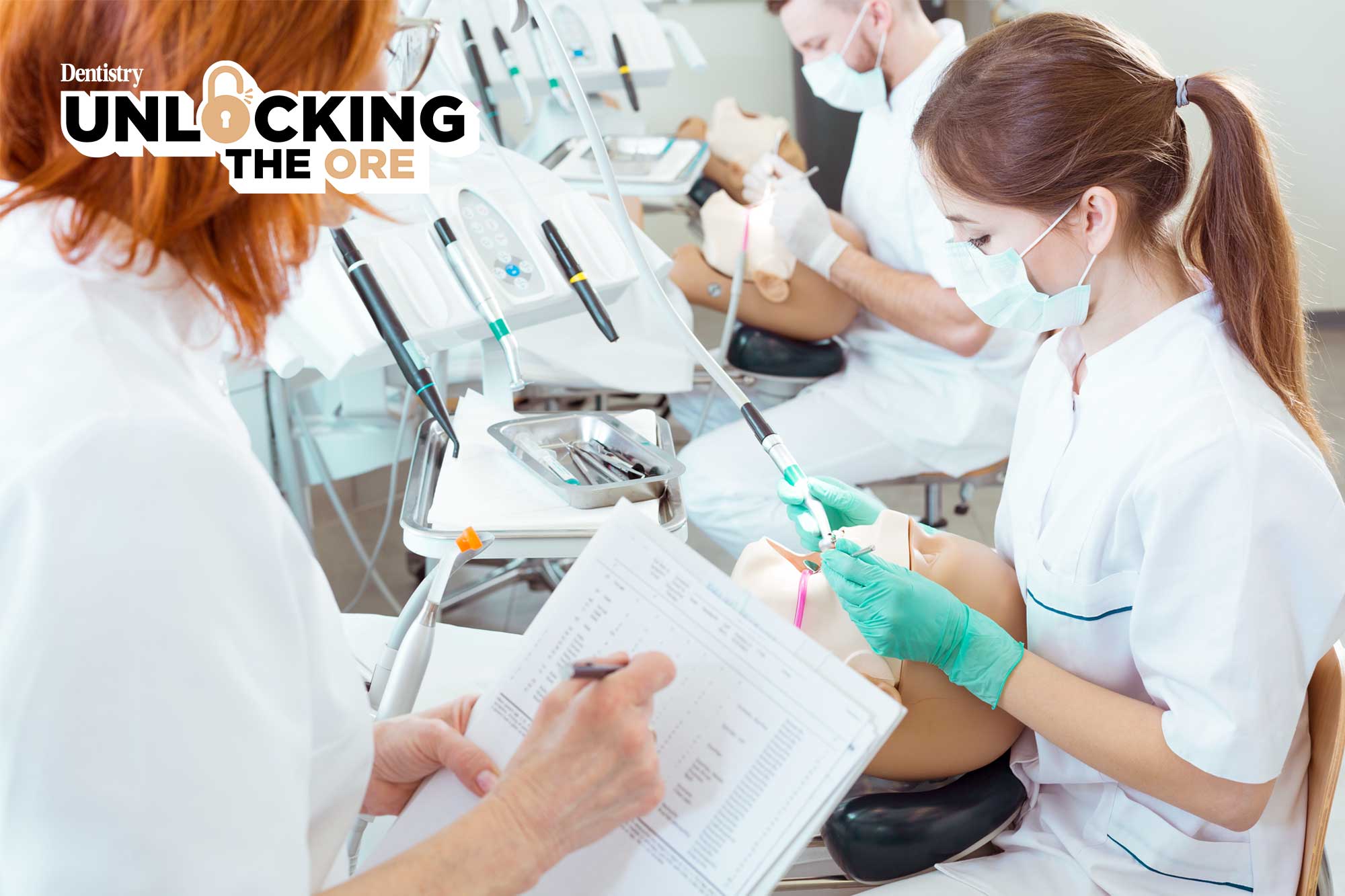
There is a quiet absurdity at the heart of UK dental regulation. A dental therapist can drill into a child’s tooth under local anaesthetic yet cannot prescribe a reversible neurotoxin to treat bruxism or facial pain.
The same clinician who is trusted to remove caries, manage irreversible pulpitis and administer lidocaine is legally barred from issuing a prescription for botulinum toxin, despite its well-documented, predictable and controlled complication profile when administered by trained clinicians. Published safety analyses, including NHS SPS guidance, support this.
A dental therapist is also fully qualified to perform invasive operative dentistry yet is legally blocked from providing cosmetic teeth whitening without a dentist’s formal diagnostic sign-off.
The prescribing wall
While allied health professionals such as physiotherapists, podiatrists and nurses can unlock autonomous practice through non-medical prescribing qualifications, dental therapists remain structurally barred from independent prescribing.
Recent 2024 amendments to the Human Medicines Regulations introduced specific supply and administration exemptions. However, these mechanisms fall well short of independent prescribing powers. Therapists remain restricted by rigid item lists and unable to exercise full diagnostic and prescribing autonomy.
Under current UK regulation, the barrier is not competence but statutory prescription rights. While the General Dental Council permits dental therapists to manage patients independently within their scope, the ultimate barrier rests within the Human Medicines Regulations 2012.
A question of equality
This disparity does not fall evenly across the dental profession. Dental therapists form a workforce that is overwhelmingly female, younger and structurally limited in career progression compared with dentists.
When viewed through the lens of the Equality Act 2010, this inconsistency becomes more than a statutory inconsistency. Under the Act, indirect discrimination occurs when a neutral policy disproportionately disadvantages a protected group unless the organisation can demonstrate that the policy is a proportionate means of achieving a legitimate aim.
This pattern reflects what gender and work scholars have long observed. Professions dominated by women often face slower expansion of scope and reduced autonomy, even when competence is well established.
Although the restriction appears clinically neutral, its effect is not. It reinforces an artificial hierarchy. Dental therapists remain dependent on dentists for access to treatments they are clinically competent to deliver. This limits autonomy, income potential and professional development in ways that map closely onto existing gendered inequalities within dentistry.
The safety argument
The safety argument, routinely cited to justify this restriction, struggles to withstand clinical scrutiny. Research on prescribing rights across healthcare consistently shows that restrictions often reflect professional politics rather than objective clinical risk.
Botulinum toxin, when used for bruxism, temporomandibular disorders or facial pain, carries a well-documented and controlled complication profile. The same applies to cosmetic teeth whitening. While whitening is not without localised clinical risks, requiring careful screening for dentine hypersensitivity, microleakage and gingival health, the toxicological profile of a regulated 6% hydrogen peroxide gel is remarkably low compared with routine clinical interventions.
A dental therapist is trusted to administer lidocaine, a drug with immediate systemic cardiovascular effects, and undertake irreversible operative dentistry on anxious, medically complex or paediatric patients. Yet the same clinician is deemed insufficiently safe to manage the localised risks of a topical bleaching gel or a reversible neurotoxin in the masseter.
If safety were the true regulatory driver, the current hierarchy would be inverted. Instead, the prescribing barrier functions less as a clinical safeguard and more as a structural mechanism that preserves professional dependency.
Evidence-based regulation
Under the Equality Act’s proportionality test, a restrictive policy must be evidence-based, necessary and the least intrusive means of achieving a legitimate aim. The prescribing barrier struggles to meet these thresholds.
There is no clear evidence that therapists pose a greater risk when delivering botulinum toxin or whitening treatments than when performing irreversible operative dentistry. Nor is the restriction necessary. Competence-based training already exists within wider healthcare.
When a rule disproportionately limits a predominantly female workforce without demonstrable clinical justification, the question becomes unavoidable. Is this regulation protecting patients or protecting a professional status quo?
Independent prescribing for dental therapists would ease administrative pressure, streamline patient flow and free dentists to focus on complex surgical care. What remains is an outdated barrier that limits autonomy, restricts progression and reinforces a gendered division of labour within the profession.
Evidence-based regulation, not inherited hierarchy, should guide the future of dental practice.
Alicja Zajac – Dental employment law consultant and governance specialist (contact@alicjazajac.co.uk)
References
- Equality Act 2010, c.15.
- Human Medicines Regulations 2012 (SI 2012/1916).
- Human Medicines (Amendments relating to Registered Dental Hygienists, Registered Dental Therapists and Registered Pharmacy Technicians) Regulations 2024 (SI 2024/729).
- General Dental Council. Scope of practice. London: GDC; 2013. Available from: https://www.gdc-uk.org
- Medicines and Healthcare products Regulatory Agency. Prescription only medicines: guidance. London: MHRA; 2020. Available from: https://www.gov.uk
- NHS Specialist Pharmacy Service. Botulinum toxin: clinical use and safety profile. London: SPS; 2022. Available from: https://www.sps.nhs.uk
- British Association of Dental Therapists. Advocacy for prescribing rights and medicines exemptions. London: BADT; 2023. Available from: https://www.badt.org.uk
- British Society of Dental Hygiene and Therapy. Position statements on prescribing limitations. London: BSDHT; 2023. Available from: https://www.bsdht.org.uk
- UK Government. Cosmetic products enforcement: hydrogen peroxide limits and safety. London: Department for Business and Trade; 2023. Available from: https://www.gov.uk
- NHS England. Non‑medical prescribing: overview of independent prescribing frameworks. London: NHS England; 2022. Available from: https://www.england.nhs.uk
- Equality and Human Rights Commission. Protected characteristics and discrimination: guidance for employers and service providers. London: EHRC; 2023. Available from: https://www.equalityhumanrights.com
Follow Dentistry.co.uk on Instagram to keep up with all the latest dental news and trends.
Apa Reaksi Anda?
 Suka
0
Suka
0
 Kurang Suka
0
Kurang Suka
0
 Setuju
0
Setuju
0
 Tidak Setuju
0
Tidak Setuju
0
 Bagus
0
Bagus
0
 Berguna
0
Berguna
0
 Hebat
0
Hebat
0