
































































PTSD Brain DNA Methylation Patterns Linked to Age of Trauma Exposure, Sex, and Ethnicity

The results of research headed by a team at the University of Texas at Austin indicate that stress and trauma can leave molecular marks in the brain that may help explain the development of post-traumatic stress disorder (PTSD).
The researchers analyzed specific regions of the postmortem brains of people with PTSD, those with major depressive disorder (MDD), and those without psychiatric disorders. The identified specific molecular features of the PTSD and MDD brain, and showed that the molecular signatures of PTSD also varied significantly between individuals—more so than for individuals with major depressive disorder. The results suggested that within the PTSD group, factors such sex, race of the person, and when in their lifetime trauma exposure occurred, may all impact on the epigenetic signature.
“The question that our research aims to address is ‘What is really different about the PTSD brain?’” said Frances Champagne, PhD, at the University of Texas at Austin. “The study found greater variation in DNA methylation patterns across brain regions in people with PTSD than in people with major depressive disorder. It also revealed considerable differences among individuals with PTSD.” The variance could open the door to more individualized treatment options for people with PTSD in the future, the researchers suggest.
Champagne is corresponding author of the researchers’ published paper in Cell Reports, titled “DNA methylation profiling of human brain in posttraumatic stress and major depressive disorders indicate specific molecular features.” In their paper the authors stated, “Overall, our findings illustrate an approach to characterizing distinct epigenomic features within the postmortem brain and the association between variation in DNA methylation and psychiatric diagnoses.”
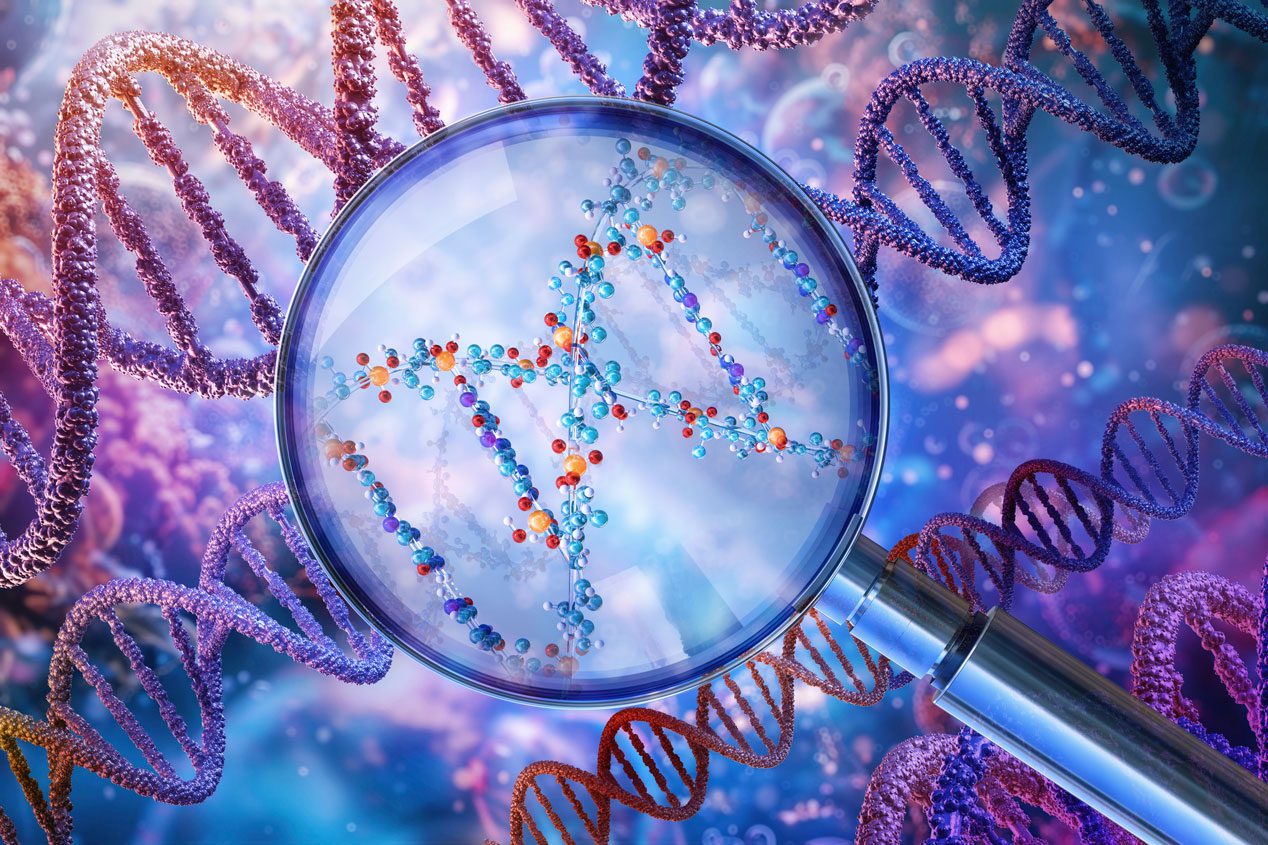
Epigenetic mechanisms, which are molecular pathways through which gene expression is regulated, have been increasingly implicated in the pathophysiology of physical and psychiatric disorders, the authors wrote. One of these mechanisms, DNA methylation, acts like a genetic “dimmer switch” for genes, sometimes blocking genetic code entirely. “Beyond the role of these mechanisms in gene regulation, epigenetic marks such as DNA methylation exhibit plasticity in response to the environment, thus serving as a potential mediator of the gene-environment interplay that is considered fundamental to disease risk and resilience,” the investigators explained.
Interestingly, PTSD studies have uncovered associations with variations in DNA methylation in peripheral blood (blood and saliva), particularly within genes involved in immune functions such as inflammation and innate immunity, the team continued. However, they pointed out, “While analyses of DNA methylation in peripheral tissues have revealed associations between PTSD and variation in the epigenome, the limited availability of brain-based analyses constrains the potential to reveal critical pathways in the pathophysiology of PTSD.”
For their newly reported study the team carried out detailed methylation profiling of postmortem brains from 302 individuals. All brains were obtained from the Lieber Institute for Brain Development and were matched with the donors’ life history and medical records to assign diagnostic criteria. The analysis included brains from 101 people with PTSD and two comparison groups—100 brains from individuals without psychiatric disorders and 101 brains from people with major depressive disorder. For each brain, three different regions were analyzed—the prefrontal cortex (PFC), the amygdala, and the hippocampus.
“These are the brain regions that seem to be uniquely informative of the PTSD brain,” Champagne said. “Many studies of epigenetics use blood and saliva as a proxy to see what’s going on the body, but we think it’s incredibly important to actually look at the brain for these kinds of mental health conditions.”
The study uncovered specific changes in the brain linked to PTSD, including a relative reduction in oligodendrocytes in the amygdala of people with PTSD, particularly in those exposed to trauma in adulthood. The researchers also found that PTSD was associated with more pronounced DNA methylation differences in the prefrontal cortex, while major depressive disorder was associated with methylation differences in the amygdala. These molecular patterns were associated with differences in the composition of different cell types in the brain.
Within the PTSD group, the molecular variations appeared to be driven by a number of factors, including the sex and race of the person and whether the trauma exposure occurred in childhood or adulthood. One future research focus will be on using these variables to refine and enhance diagnosis. The researchers say it could eventually lead to a more personalized approach to treating mental health conditions.
“Overall, these analyses reveal epigenomic features of the PTSD and MDD brain that can guide cellular and molecular mechanistic understanding of the pathophysiology of these disorders,” the authors stated. “This understanding can inform clinical interventions by identifying unique and shared biological processes that characterize the brain epigenome dependent on mental health diagnosis.”
Because the study analyzed postmortem brain tissue the researchers were not able to confirm whether the methylation differences contributed to PTSD, resulted from PTSD, or were influenced by other factors. The authors also noted that they lacked detailed information about symptom type and severity for each individual, which would be important for developing more personalized methods of diagnosis.
“The more we know about all the variables that impact clinically relevant outcomes, the better we can assess patients and tailor their treatments,” Champagne acknowledged.
The post PTSD Brain DNA Methylation Patterns Linked to Age of Trauma Exposure, Sex, and Ethnicity appeared first on GEN - Genetic Engineering and Biotechnology News.
Apa Reaksi Anda?
 Suka
0
 Kurang Suka
0
 Setuju
0
 Tidak Setuju
0
 Bagus
0
 Berguna
0
 Hebat
0