

























































%20and%20Batch%20Production%20Records%20(BPR).png)















Elevated Lipoprotein(a) Predicts ASCVD Risk Despite Low CAC Score: Study
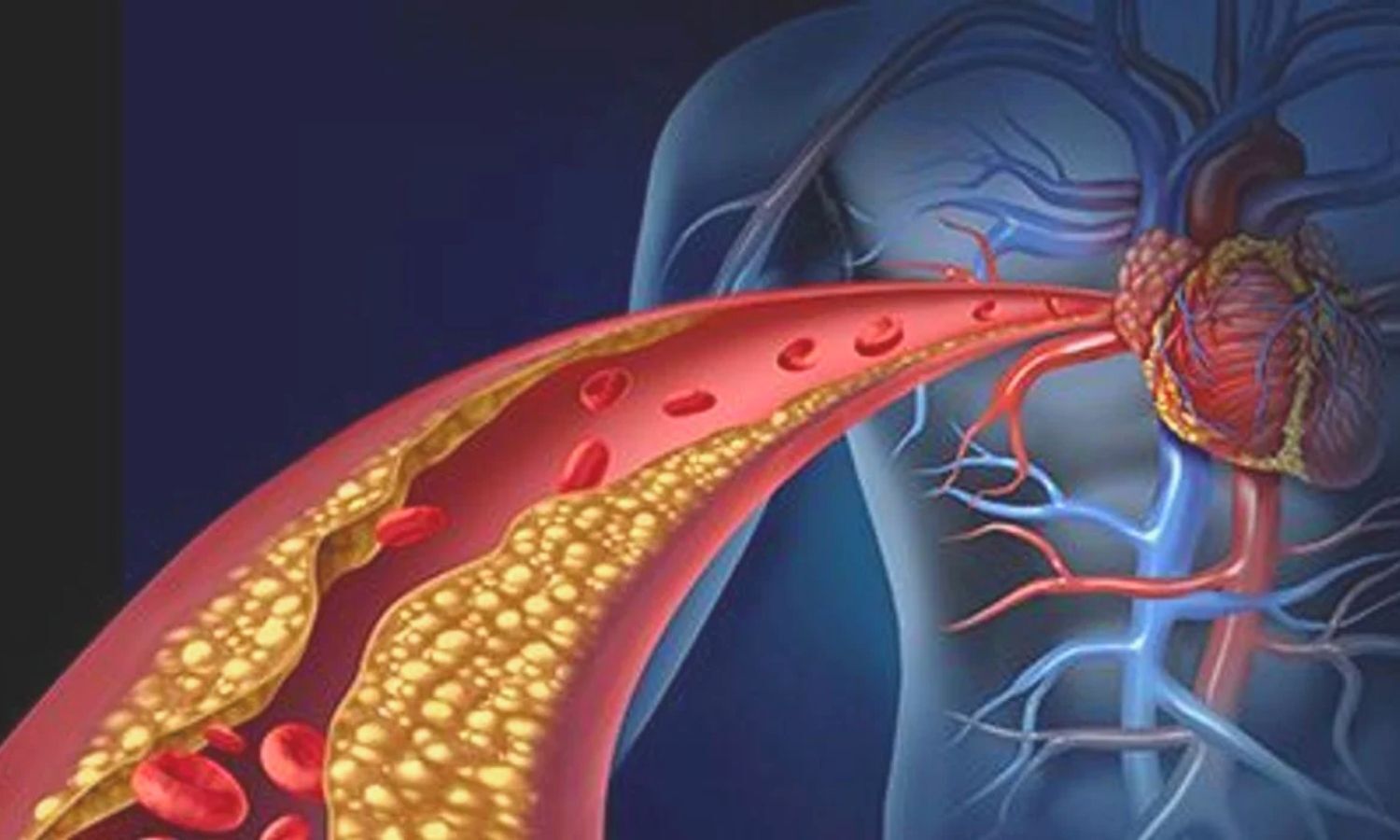

USA: Based on data from multiple large cohort studies, researchers have concluded that higher levels of lipoprotein(a) are associated with an increased 15-year risk of developing atherosclerotic cardiovascular disease (ASCVD), independent of coronary artery calcium (CAC) scores. However, individuals with a CAC score of zero showed low actual event rates even when Lp(a) levels were elevated.
These findings are from a multicohort analysis led by Harpreet S. Bhatia from the Division of Cardiovascular Medicine at the University of California, San Diego, published in the Journal of the American College of Cardiology. The study sought to clarify whether CAC scoring remains a useful risk assessment tool in individuals with elevated lipoprotein(a), a lipid particle increasingly recognized for its role in cardiovascular risk, particularly due to its association with noncalcified plaque.
For this purpose, the researchers pooled data from four large U.S.-based prospective cohorts, including 11,319 participants without known cardiovascular disease at baseline. The average age was 56 years, and women comprised 54% of the study population. Both lipoprotein(a) levels and CAC scores were assessed at baseline, and participants were followed for an average of nearly 15 years. During this period, 1,569 ASCVD events—including myocardial infarction, stroke, and coronary revascularization—were recorded.
The study revealed the following findings:
- Elevated lipoprotein(a) levels above 50 mg/dL were independently associated with a higher risk of atherosclerotic cardiovascular disease (ASCVD).
- The presence of coronary artery calcium (CAC >0) was strongly linked to increased cardiovascular risk.
- The association between lipoprotein(a) and ASCVD risk remained consistent across different CAC categories.
- Both lipoprotein(a) levels and CAC scores contributed independently to cardiovascular risk prediction.
- Individuals with a CAC score of zero had overall low event rates.
- Among those with CAC = 0, elevated lipoprotein(a) was associated with a modestly higher risk of cardiovascular events compared to lower levels.
- In individuals with detectable CAC, elevated lipoprotein(a) further increased cardiovascular risk.
- The highest risk was observed in participants with both high CAC scores (≥300) and elevated lipoprotein(a).
- Findings were consistent across different age and sex groups.
- Absolute risk was higher in individuals older than 50 years and in men.
- The results highlight the complementary role of CAC scoring and lipoprotein(a) measurement in improving cardiovascular risk assessment.
The authors noted limitations, including the observational design, which restricts causal conclusions, and potential residual confounding. Variations in lipoprotein(a) measurement and timing differences between CAC and lipoprotein(a) assessments may have affected results. Additionally, the cohort may underrepresent individuals with very high lipoprotein(a) levels who experienced early cardiovascular events before enrollment.
Overall, the findings suggest that while elevated lipoprotein(a) is a significant risk factor for ASCVD, CAC scoring remains a valuable tool in stratifying long-term cardiovascular risk. In particular, a zero CAC score may help identify individuals with elevated lipoprotein(a) who still have a relatively low absolute risk of near-term cardiovascular events, supporting its continued use in clinical decision-making.
Reference:
Bhatia HS, Fan Y, Dharmavaram G, Razavi AC, Tsai MY, Ramsis M, Mahmud E, Wilkinson M, Taub P, Nasir K, Blaha MJ, Wong ND. Use of Coronary Artery Calcium Scoring in Individuals With Elevated Lipoprotein(a): A Multicohort Study. J Am Coll Cardiol. 2026 Mar 16:S0735-1097(26)05437-9. doi: 10.1016/j.jacc.2026.02.5067. Epub ahead of print. PMID: 41837904.
Apa Reaksi Anda?
 Suka
0
Suka
0
 Kurang Suka
0
Kurang Suka
0
 Setuju
0
Setuju
0
 Tidak Setuju
0
Tidak Setuju
0
 Bagus
0
Bagus
0
 Berguna
0
Berguna
0
 Hebat
0
Hebat
0

Edusehat
Platform Edukasi Online Untuk Komunitas Kesehatan Agar Mendapatkan Informasi Dan Pengetahuan Terbaru Tentang Kesehatan Dari Nasional Maupun Internasional. ||
An online education platform for the health community to obtain the latest information and knowledge about health from both national and international sources.