

















































%20and%20Batch%20Production%20Records%20(BPR).png)















Family History Raises CKD Progression Risk Despite APOL1 Status, CRIC Study Finds
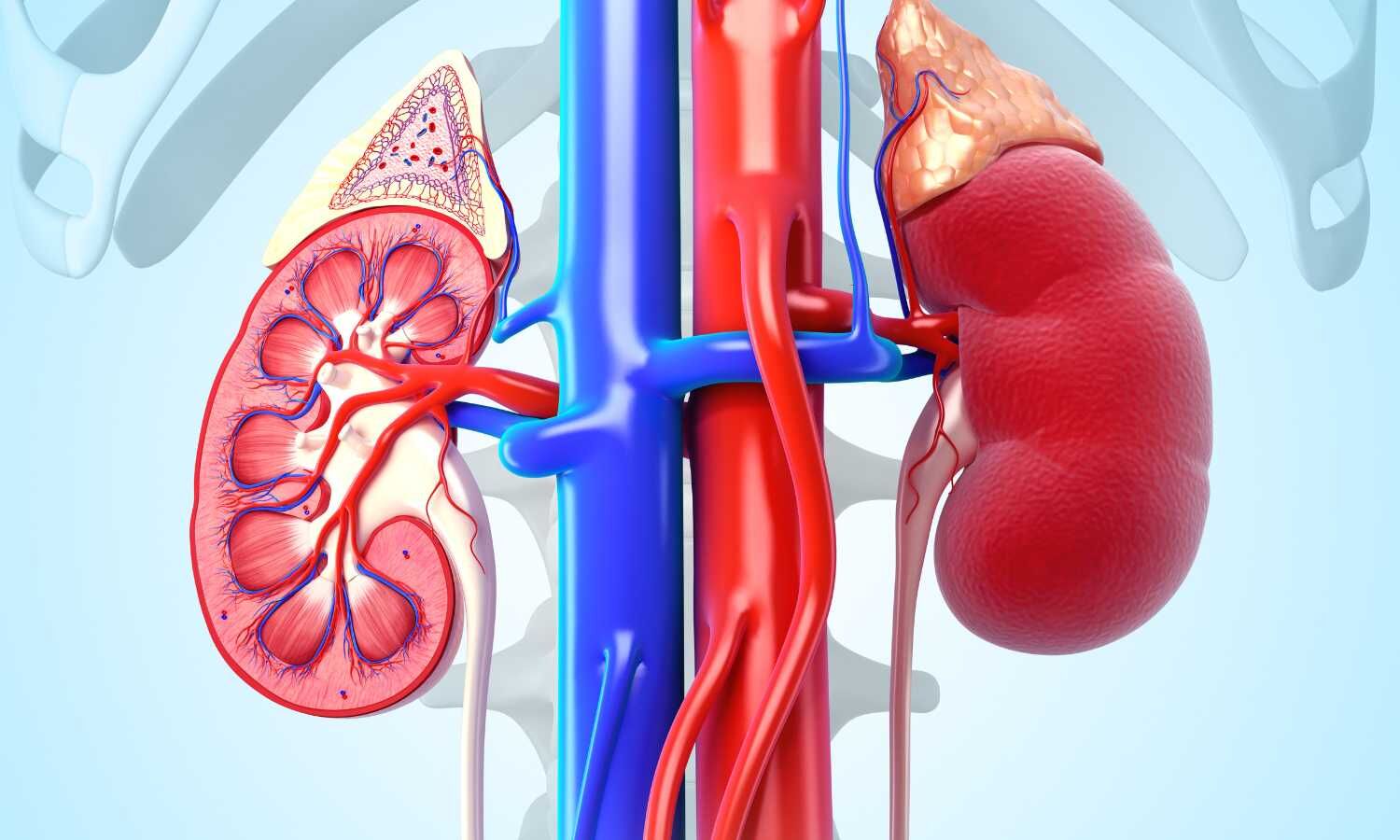
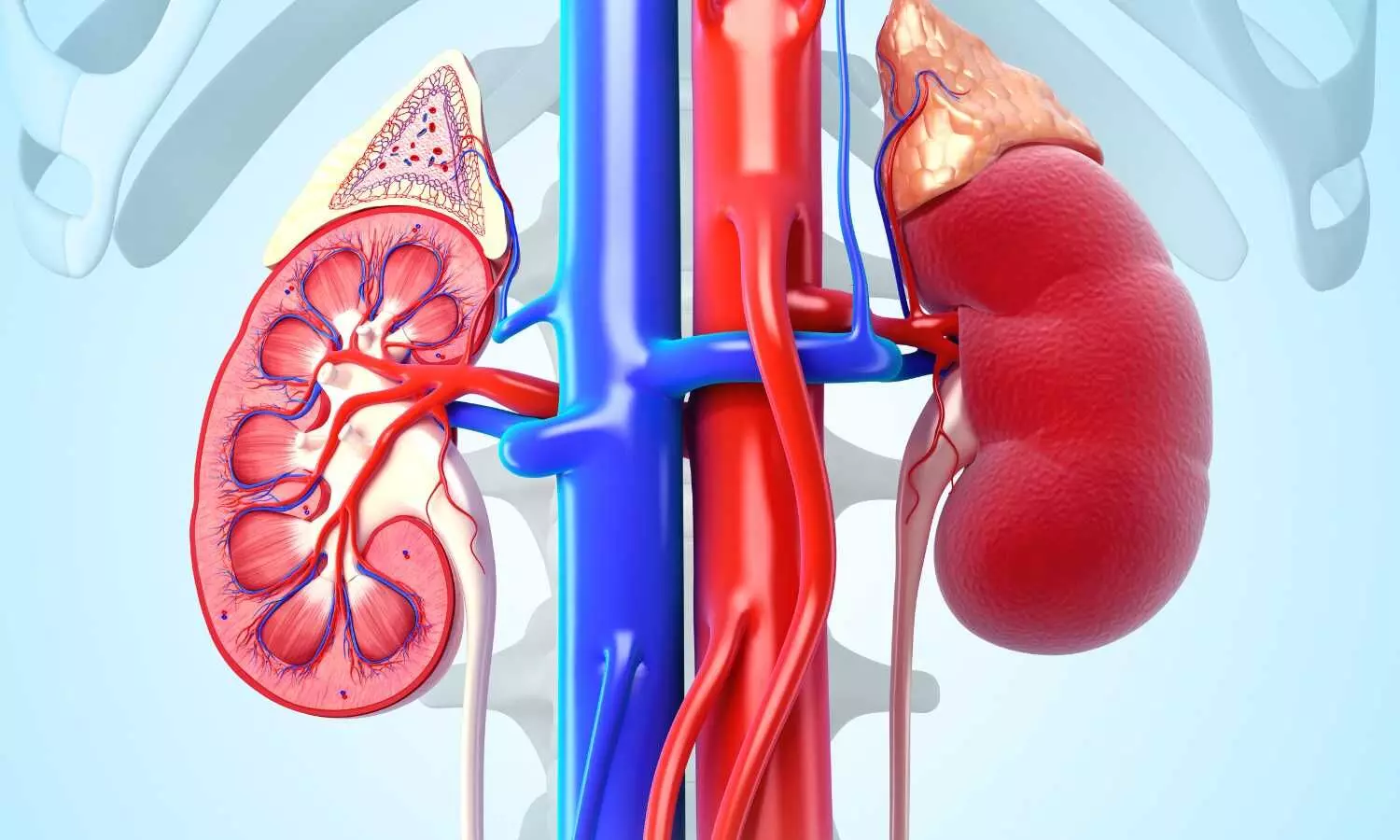
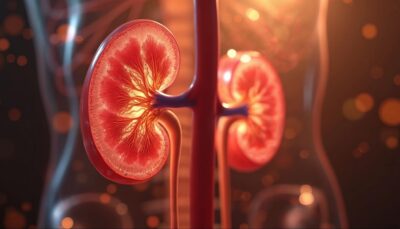
USA: A large analysis from the Chronic Renal Insufficiency Cohort (CRIC) Study has found that among individuals with chronic kidney disease (CKD), a reported family history of kidney failure is linked to a significantly higher risk of disease progression—even after accounting for genetic susceptibility and social determinants of health.
The findings were published in the American Journal of Kidney Diseases by Wei Lin from the Department of Epidemiology at the Johns Hopkins Bloomberg School of Public Health, Baltimore, and colleagues.
Kidney disease frequently runs in families, especially among Black individuals, highlighting the potential roles of genetic susceptibility, shared environments, and structural inequities. Researchers proposed that the association between family history of kidney failure and CKD progression might be largely explained by adverse social determinants of health and high-risk APOL1 variants. However, their findings suggest that family history remains a significant independent predictor of progression.
The analysis included 5,623 adults with CKD (mean age 59.6 years; 44% women) from the CRIC Study. At baseline, participants reported whether a first-degree relative had required dialysis or transplantation for kidney failure; 17% reported such a history. Non-Hispanic Black participants underwent APOL1 genotyping and were classified as low-risk or high-risk based on allele status. Social determinants assessed included income, education, marital status, and insurance coverage.
The following were the findings from the CRIC Study:
- Black participants were significantly more likely than White participants to report a family history of kidney failure, irrespective of their APOL1 risk allele status.
- After adjustment, Black individuals with low-risk APOL1 genotypes had more than double the odds of reporting a family history compared with White participants, while those with high-risk genotypes had nearly fourfold higher odds.
- Lower income and lower educational attainment were linked to a family history of kidney failure in unadjusted analyses, but these associations lost significance after multivariable adjustment.
- Participants were followed for a median duration of nearly six years.
- CKD progression was defined as the development of end-stage kidney disease or a 50% decline in estimated glomerular filtration rate from baseline.
- The incidence of CKD progression was higher among individuals with a family history of kidney failure than among those without (15.88 vs 11.93 events per 1,000 person-years).
- In fully adjusted Cox regression models accounting for demographics, APOL1 status, social determinants of health, and clinical factors, a family history of kidney failure was associated with a 16% higher risk of CKD progression.
The authors noted the possibility of residual confounding but emphasized the clinical implications of their findings. They suggested that documenting family history may enhance risk stratification in CKD and shed light on racial and ethnic disparities in kidney outcomes.
An accompanying editorial highlighted the importance of routinely collecting family history information, while acknowledging that many individuals in the United States are unaware of their familial risk. Overall, the study highlights the need for greater attention to familial patterns in CKD and further research into the mechanisms driving these associations.
Reference: Lin W, Chang AR, Crews DC, Purnell TS, Appel LJ, Ishigami J; CRIC Study Investigators. Family History of Kidney Failure, APOL-1 Risk Variants, Social Determinants of Health, and Risk of CKD Progression: Findings From the CRIC Study. Am J Kidney Dis. 2026 Jan 15:S0272-6386(26)00005-3. doi: 10.1053/j.ajkd.2025.11.008. Epub ahead of print. PMID: 41547465.
Apa Reaksi Anda?
 Suka
0
Suka
0
 Kurang Suka
0
Kurang Suka
0
 Setuju
0
Setuju
0
 Tidak Setuju
0
Tidak Setuju
0
 Bagus
0
Bagus
0
 Berguna
0
Berguna
0
 Hebat
0
Hebat
0

Edusehat
Platform Edukasi Online Untuk Komunitas Kesehatan Agar Mendapatkan Informasi Dan Pengetahuan Terbaru Tentang Kesehatan Dari Nasional Maupun Internasional. ||
An online education platform for the health community to obtain the latest information and knowledge about health from both national and international sources.