






























%20and%20Batch%20Production%20Records%20(BPR).png)











Full-arch implant course: a new standard in education
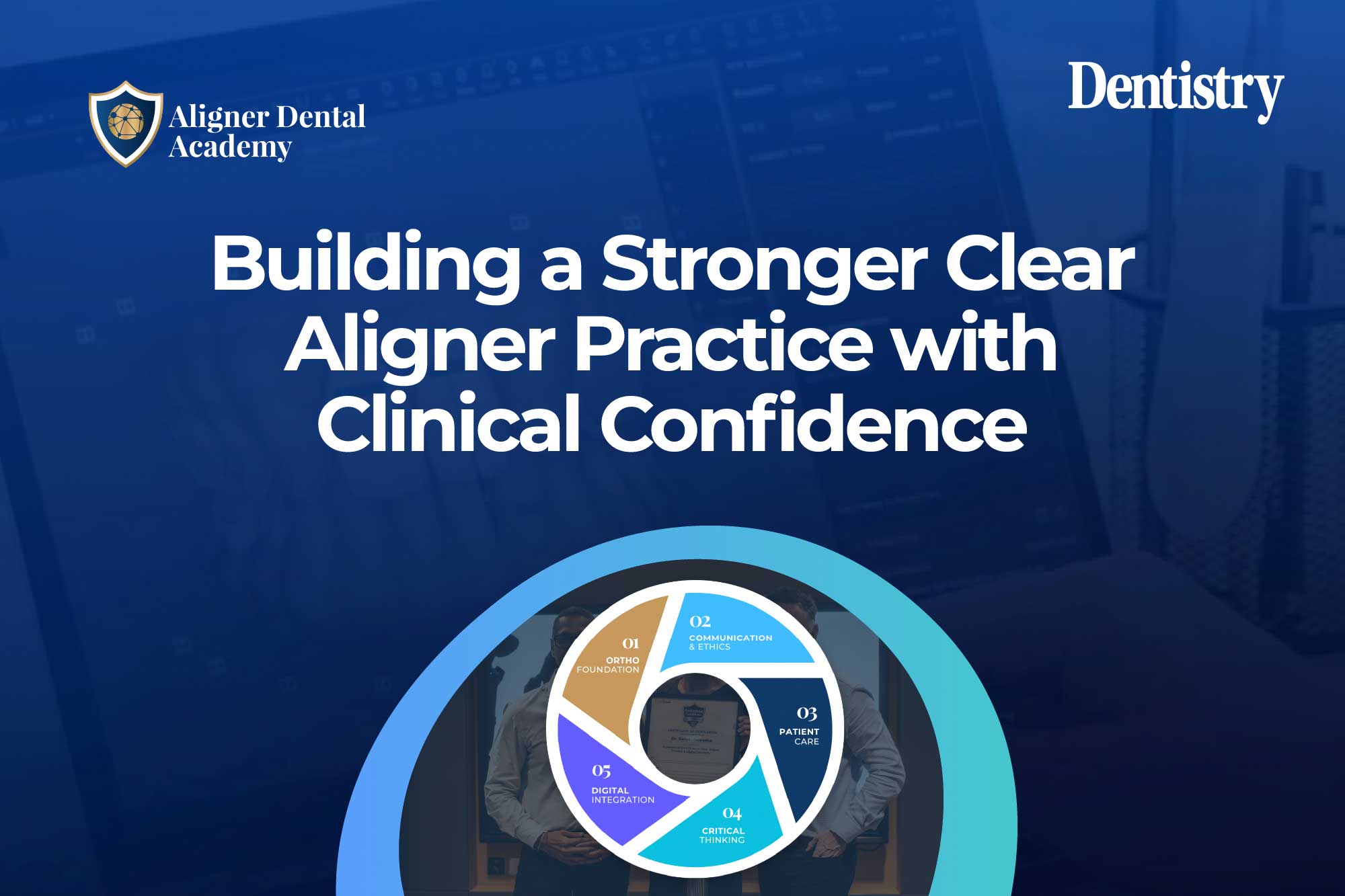
Discover how the ‘FP1 full-arch implant dentistry course’ uses a restorative-driven, complete digital workflow to redefine full-arch success and tackle long-term prosthetic complications.
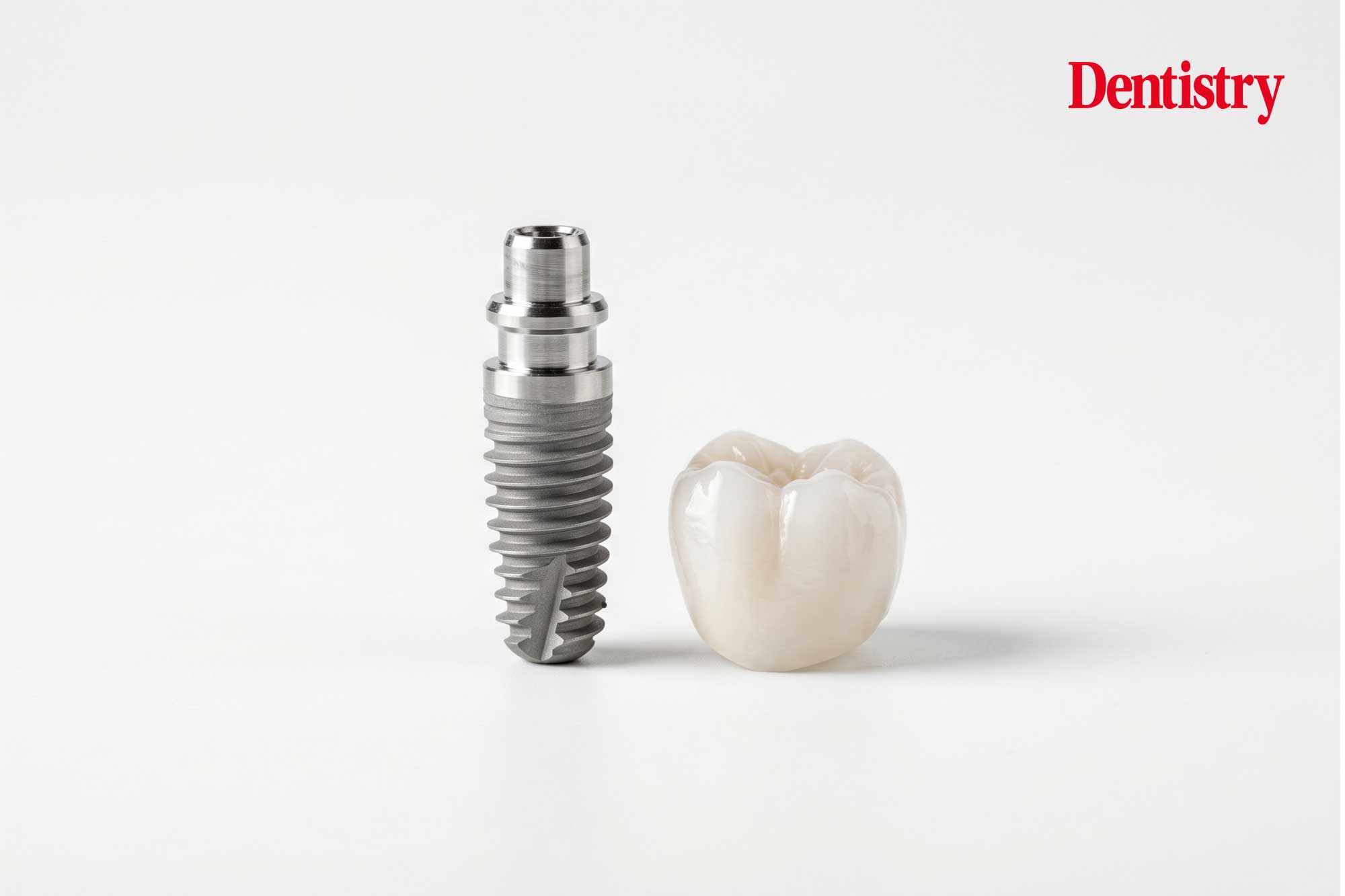
Full-arch implant dentistry is no longer defined by whether implants can be placed and integrated.
While the surgical phase may be successful, the real challenge often begins afterwards.
Across the UK and internationally, an increasing number of full-arch cases are now presenting with complications that are not purely surgical, but prosthetic, biological and maintenance-related.
Poor prosthetic design, inadequate restorative space, unfavourable transition lines, difficult access for hygiene, unstable occlusion, poor soft tissue management, and unclear long-term maintenance protocols can all compromise cases that initially appeared successful.
The ‘FP1 full-arch implant dentistry course’ was created to address this gap.
Rather than teaching full-arch implant dentistry as a surgical procedure alone, the course focuses on the complete biological, surgical, and prosthetic workflow required to plan, deliver, and maintain FP1 full-arch cases predictably.
The final cohort of the year will take place on 20-21 November 2026.
The lecture element will be held in central London, with the live surgery component hosted at London Dental Arts.
Beyond implant placement
For many clinicians, full-arch education has traditionally focused on implant number, position, and immediate loading.
These remain essential, but they are only part of the story. A full-arch case must be planned from the final prosthesis backwards.
This includes understanding bone levels, lip dynamics, smile line, prosthetic space, soft tissue volume, implant depth, multi-unit abutment selection, pontic design, emergence profile, occlusion, cleansability, and long-term maintenance.
The FP1 course is built around this restorative-driven philosophy.
Delegates are taken through the decision-making process step by step, including when to preserve bone, when bone reduction may be required, how to plan implant depth relative to the future prosthetic margin, how to select multi-unit abutments, and how to design a prosthesis that is not only aesthetic, but biologically maintainable.
The course presents the FP1 concept as a precise, demanding, and highly planned discipline.
A complete clinical workflow
Modern full-arch dentistry requires a workflow that connects diagnosis, surgery, digital records, provisionalisation, and final prosthetic planning.
During the two-day programme, delegates are exposed to the practical use of digital technologies, including intraoral scanning, photogrammetry, Modjaw, digital smile design, FP1 prosthetic design, and same-day 3D printed provisional restorations.
The aim is not technology for the sake of technology; it is to show how each digital step can reduce uncertainty, improve communication, and support clinical decision-making.
By combining biological principles with digital accuracy, the course demonstrates how clinicians can move from fragmented treatment stages toward a more complete and repeatable system.
Learning through live surgery
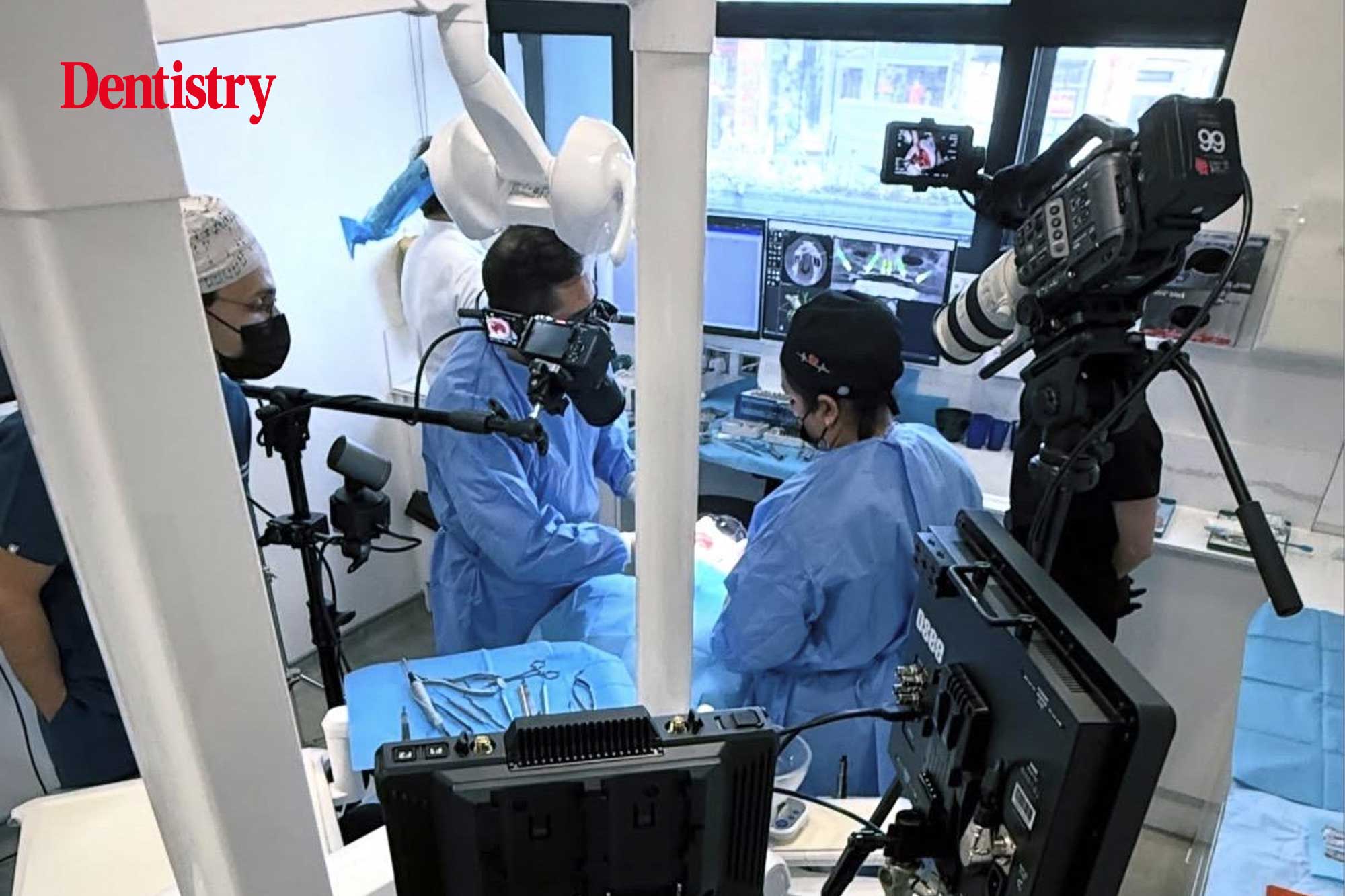
A defining feature of the course is the live surgery component.
The live surgical day gives delegates the opportunity to see the workflow applied in real time, capturing the decisions that cannot always be captured in a textbook or edited video.
This includes implant positioning, management of anatomical limitations, pterygoid implant considerations, soft tissue handling, multi-unit abutment selection, immediate loading principles, digital verification, and provisional restoration delivery.
Protocols that change practice
Three FP1 cohorts have already run in 2026, all of which sold out.
The November course will be limited to 20 delegates to maintain the quality of teaching, discussion, and interaction.
The feedback from previous delegates has reflected the course’s focus on practical systems.
After completing a full upper and lower arch case using the workflow taught on the course, one delegate shared a photograph of the transformation and wrote: ‘Finished this case full arch upper and lower.
‘Thank you sir for changing my dentistry forever.’
Secure your place
Following three sold-out cohorts in 2026, this will be the final opportunity to attend the course this year.
Places are strictly limited to 20 delegates.
To find out more or to book your place for 20-21 November, visit the course registration page today.
To submit your application contact Arman directly on his instagram: @DRARMANPROS.
This article is sponsored by London Dental Arts.
Apa Reaksi Anda?
 Suka
0
Suka
0
 Kurang Suka
0
Kurang Suka
0
 Setuju
0
Setuju
0
 Tidak Setuju
0
Tidak Setuju
0
 Bagus
0
Bagus
0
 Berguna
0
Berguna
0
 Hebat
0
Hebat
0