
















































%20and%20Batch%20Production%20Records%20(BPR).png)















Getting comfortable with direct access
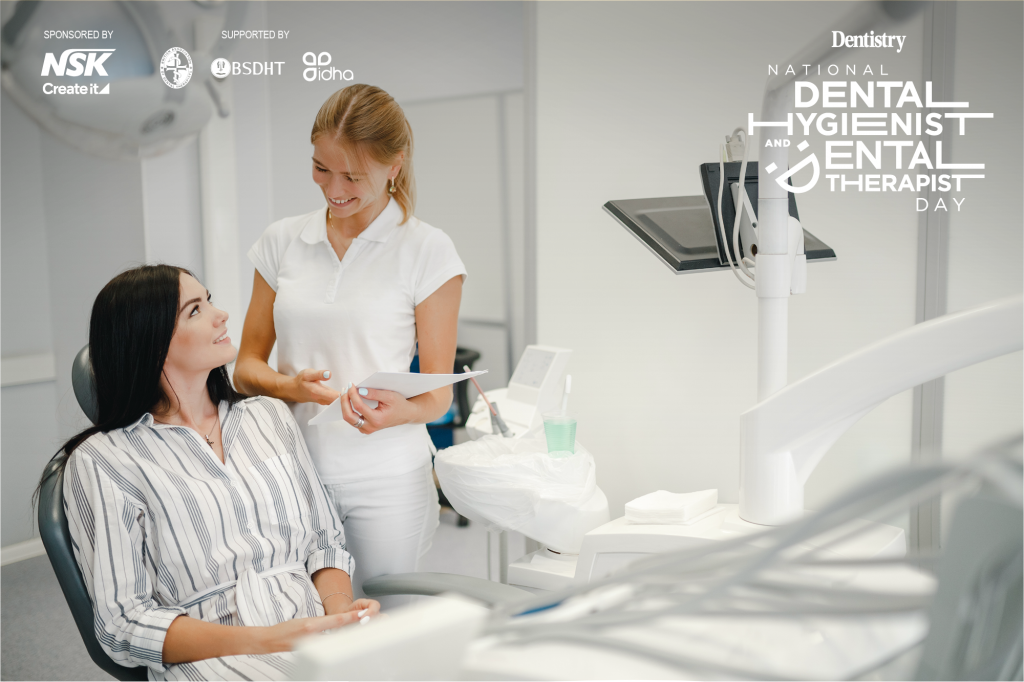
Gemma Cowen explains how dental therapists can expand their skills and capabilities to embrace their full scope of practice through direct access.
Embracing direct access (DA) as a dental therapist represents a significant and empowering shift in professional practice. With guidance from the General Dental Council, dental therapists in the UK are able to see patients without prior examination by a dentist. This has been a shift in approach to accessing dental care since 2013, whereby a therapist can diagnose within their scope and deliver a range of treatments independently.
At its core, direct access is a mindset change. Rather than carrying out treatment plans prescribed by a dentist, dental therapists become the clinicians responsible for assessing, diagnosing and planning patient care. This can feel daunting initially, but adopting a structured protocol of support within clinical practice will create an approach that is repeatable with every patient – helping therapists build both competence and confidence.
How is a direct access appointment carried out?
A strong direct access appointment begins with setting expectations. Clearly explain your role to the patient to establish trust and understanding, particularly if a referral is required.
The diagnostic process needs to be structured from dentition to periodontal health. If looking to expand your scope of practice, start gradually and ease yourself into the transition beyond working from a referral.
Start by carrying out what you are trained to do, such as basic examination, oral cancer screening of the lymph nodes and soft tissues, and inspecting the periodontal tissues. Often we are very comfortable with periodontal health with hard tissue screening becoming an area for growth. This might include looking for enamel lesions or attrition/abrasion wear, and considering the benefits of the alignment. These findings can then be considered as part of overall oral health management.
Radiographs should be prescribed judiciously and always as justified. As a direct access clinician, you are responsible not only for taking radiographs but also for interpreting them accurately. This is an area where additional continuing professional development can be invaluable if your confidence could be improved.
Explaining your treatment plan and referring
Personally, I find access to an intraoral camera and/or digital scanner can provide comfort in your treatment planning and support the conversation around treatment options with visuals.
Your plan should distinguish between what you can provide independently – such as periodontal therapy, preventive care, and suitable restorations – and the next stages. These may require a referral when out of a dental therapist’s scope of practice or if a dentist is required to support the delivery of care.
Working within a supportive practice environment where clear referral pathways exist can also make a significant difference to your confidence and development. If that is not available, discuss with the team how this can benefit the whole team for diary management and most importantly provide the patient with accessibility.
Safe clinicians understand when to refer and do so without hesitation. This is a strength, not a limitation.
Redefining your professional identity
Finally, embracing direct access involves redefining your professional identity. You are not simply delivering treatments – you are managing patient care within your scope.
Direct access should be seen as an opportunity to grow into a more autonomous and impactful role. By adopting a structured approach, prioritising communication and documentation and working confidently, you can deliver safe, effective, and patient-centred care.
If you’re not quite ready to consider sole care for the patient, consider shared care where you can alternate the examination with a GDP or another dental therapist who has confidence in the delivery of DA. You can then build belief in your capabilities with some guidance and mentorship.
Read more from the National Dental Hygienist and Dental Therapist Day campaign:
- Multidisciplinary care: dental therapy in a hospital setting
- Dental therapists: are you a Ferrari in a school zone?
- Unlocking access to preventive oral care in Ireland
- Air polishing: invest in clinical excellence and patient health
- Prevention, policy and the power of teams.
With thanks to our sponsor, NSK.
Follow Dentistry.co.uk on Instagram to keep up with all the latest dental news and trends.
Apa Reaksi Anda?
 Suka
0
Suka
0
 Kurang Suka
0
Kurang Suka
0
 Setuju
0
Setuju
0
 Tidak Setuju
0
Tidak Setuju
0
 Bagus
0
Bagus
0
 Berguna
0
Berguna
0
 Hebat
0
Hebat
0