







































































Human Dengue Study Reveals How Preexisting Immunity Shapes Secondary Infections

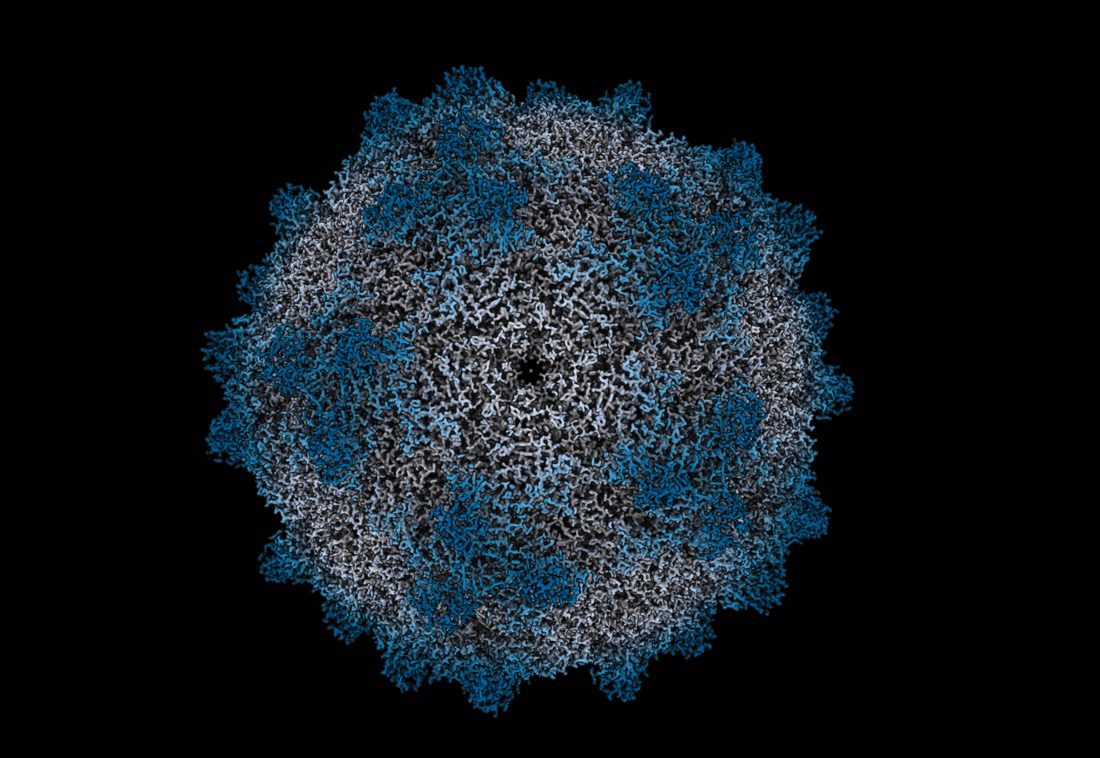
Roughly half of the world’s population is now at risk of dengue, with an estimated 100–400 million infections occurring each year. The viral infection (also known as break-bone fever) is more common in tropical and subtropical areas of the world. Currently, prevention relies on control of the mosquito vector that transmits the virus.
Dengue virus has a particularly unique challenges, and is especially pernicious compared with many other viruses, as secondary infections can be worse than the first. Now, a new Phase I trial involving controlled infections in human volunteers provides new details about how preexisting immunity and anti-dengue antibodies affect the nature of secondary infections with dengue.
The work is published in Science Translational Medicine in the paper, “Dengue virus controlled human challenge reveals that preexisting immunity shapes viral replication and broadly protective responses.”
The findings are among the first to glean insights using a large controlled human challenge, and could inform future therapeutics and the design of more broadly protective vaccines.
Secondary infections with dengue are often the most severe ones because preexisting antibodies can boost viral counts and raise the risk of severe symptoms. This has frustrated the development of badly needed vaccines for dengue. Furthermore, it’s been challenging to understand how pre-infection affects dengue outcomes, as animal models have many limitations and patients usually don’t present until after viral counts have peaked.
In this study, researchers recruited 45 healthy adults who had either zero, one, or more than one prior infection with any of the four strains of dengue virus (DENV1-DENV4). The volunteers received injections of a live, weakened strain of DENV3 in a challenge study, allowing the researchers to fully interrogate dengue immunity dynamics in humans in a safe and controlled setting.
The findings led to various conclusions: for example, people whose antibodies boosted the replication of the virus had the highest viral counts and waning of CD8-bearing T cells and antibodies. Additionally, people who had higher amounts of antibodies against the viral nonstructural protein 1 displayed more balanced immune responses and lower viral counts.
More specifically, the authors write, “Viremia was associated with more, but still mild, clinical signs and symptoms, and secondary infection resulted in greater viremia, neutralizing antibodies, and protective T cell responses. However, those whose baseline antibodies most efficiently increased dengue virus replication in an in vitro assay experienced delayed inflammatory and adaptive immune activation, the highest viremia, strong acute immune responses, and waning of potent CD8+ T cells and antibodies. In contrast, higher baseline antibodies against the nonstructural protein 1 of multiple serotypes predicted early interferon and balanced immune activation, viremia control, and development of enduring, potent B and T cells, revealing how vaccines can induce broad, long-lasting protection.”
“Collectively, this work confirms multiple hypotheses generated by natural history studies and reveals the optimal conditions for inducing potent and persistent immunity against DENV1 to DENV4,” they note.
The post Human Dengue Study Reveals How Preexisting Immunity Shapes Secondary Infections appeared first on GEN - Genetic Engineering and Biotechnology News.
Apa Reaksi Anda?
 Suka
0
 Kurang Suka
0
 Setuju
0
 Tidak Setuju
0
 Bagus
0
 Berguna
0
 Hebat
0