

































































Are dental students being taught to question AI?
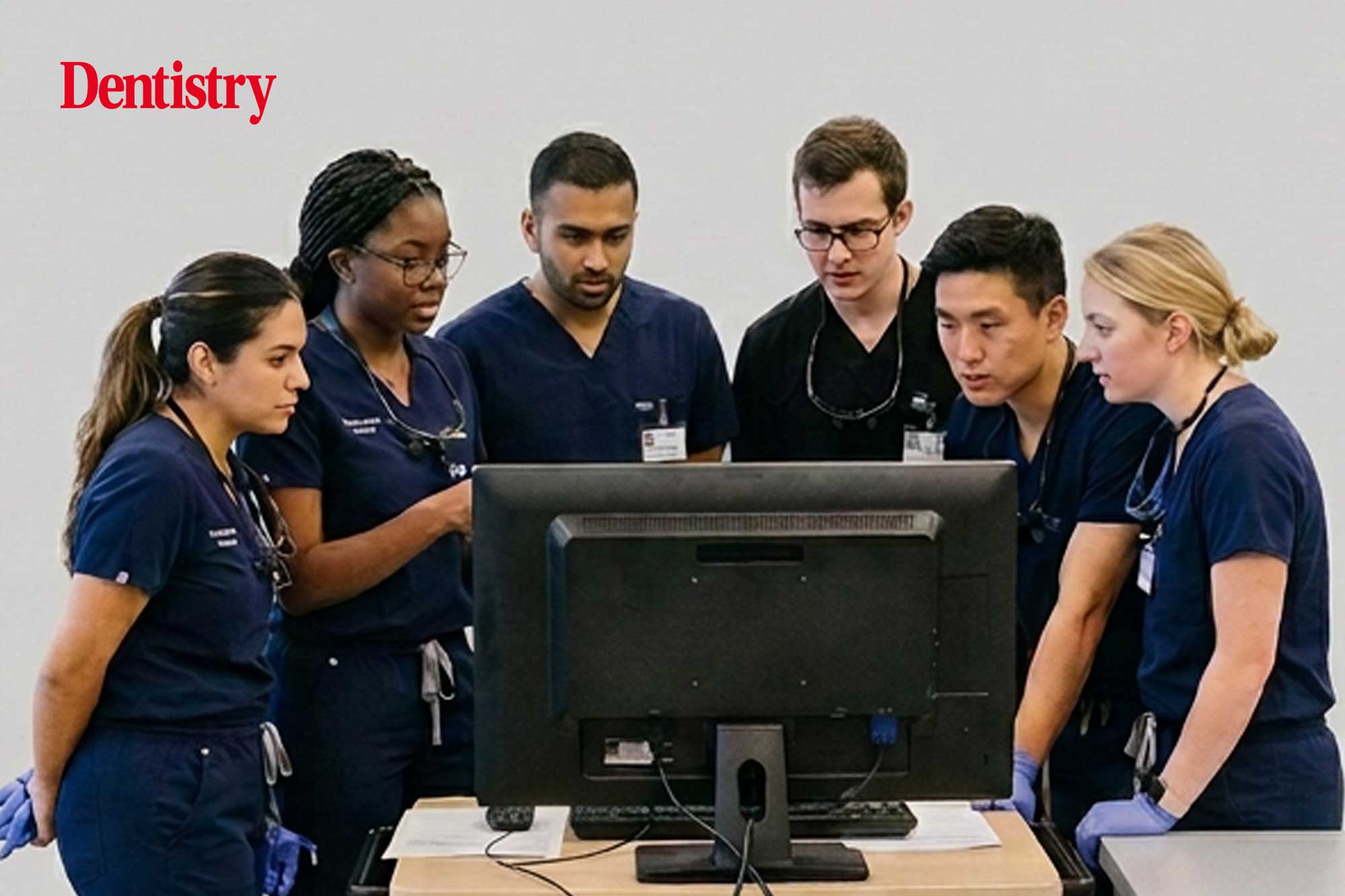
Nearly three quarters of medical and dental students surveyed at Queen Mary University of London felt artificial intelligence was inadequately integrated into their curriculum.
The mixed-methods study, which I helped conduct, involved 86 survey respondents and student focus groups. It found that 73.3% considered curriculum integration inadequate, while 76.7% wanted structured teaching on artificial intelligence (AI).
Respondents were enthusiastic about the technology. Some 86.1% believed AI would be important to their future professional practice. However, 65.1% reported a lack of formal training.
It raises an important question, though, are students being taught to assess AI-generated information critically, or simply becoming familiar with how to use it?
The issue has also reached the regulatory agenda. Separate research commissioned by the General Dental Council reviewed 75 studies and reports and included interviews with dental students, recent graduates and academics. It called for clear rules on acceptable AI use and structured teaching that prepares students to check outputs, recognise uncertainty and remain accountable for their decisions.
How are students using AI?
Students reported using AI-supported tools for revision, understanding difficult concepts and independent learning. However, opportunities for structured teaching and critical evaluation appeared inconsistent.
These findings reflect wider research suggesting that dental students recognise the potential of AI while identifying gaps in their knowledge and preparation.
The results relate to medical and dental students at one university, so they should not be read as a national assessment of dental education. However, the concerns are relevant as AI becomes more common across dental diagnosis, treatment planning, administration and patient communication.
The AI literacy gap
Knowing how to generate an AI response does not necessarily mean knowing whether that response is clinically accurate.
AI systems can produce convincing explanations containing factual inaccuracies, fabricated references or recommendations that overlook important clinical circumstances. Their outputs may also reflect biases within the data on which they were trained.
Our research found that 82.6% of respondents recognised ethical issues associated with AI, but only 47.7% felt prepared to use the technology ethically and responsibly.
A scoping review by El-Hakim and colleagues identified opportunities for AI in dental education, including diagnostic training, assessment and feedback. It also found concerns around privacy, model reliability, inconsistent standards and over-reliance on automated systems.
Students need to learn how to question AI outputs, check the supporting evidence, recognise uncertainty and identify potential bias. AI literacy should be part of clinical reasoning and evidence-based dentistry, rather than treated as an optional digital skill.
Who is responsible for an AI-supported decision?
Consider a dental student using an AI-supported system to interpret a radiograph. The technology suggests a diagnosis, but the clinical findings do not fit. Should the student accept the output or challenge it?
Research by Ayan and colleagues examined the use of AI by dental students detecting proximal caries and showed how the technology could support diagnostic learning. However, assistance from AI should not be confused with independent clinical judgement.
Dental professionals remain responsible for evaluating information and acting in the patient’s best interests. As Dentistry has reported, clinicians could face responsibility when an AI-supported decision harms a patient, even where the original problem came from the technology.
The General Dental Council-commissioned review found that AI limitations were particularly apparent in image-dependent areas, including radiographic interpretation, and said it should support rather than replace diagnosis.
Education must therefore cover confidentiality, consent, data protection and transparency, as well as the limitations of automated decision support.
Unequal access to AI education
Students may have unequal access to paid AI platforms, reliable digital infrastructure, technical support and practical training.
Our research identified insufficient training and unclear institutional guidance as barriers to meaningful engagement with AI.
Without consistent educational provision, competence may depend on a student’s personal resources or confidence with technology. Universities should provide access to appropriate tools and supervised opportunities to assess their strengths and limitations.
What should dental schools teach?
AI teaching should be embedded across the curriculum, including radiology, treatment planning, research appraisal, clinical reasoning and professional ethics.
Students could be asked to identify inaccurate diagnoses, fabricated references and conflicts between an AI response and established evidence. Assessments should also test whether they can reach and defend a decision without relying on an automated output.
Dental educators will need training and institutional support to teach and assess these skills confidently. Universities should also ensure students are not expected to purchase commercial tools to participate fully.
These priorities reflect recommendations made by Thurzo and colleagues in their guide to updating dental curricula. They also sit alongside work by the General Dental Council to develop principles for the ethical use of AI in healthcare.
AI could improve dental education and clinical care. Its value will depend on the professional capabilities of the people using it.
The future of dentistry should not be defined by whether students can use AI, but by whether they have the knowledge and clinical judgement to question it.
References
- Ayan E, Bayraktar Y, Çelik Ç and Ayhan B (2024), ‘Dental student application of artificial intelligence technology in detecting proximal caries lesions’, Journal of Dental Education, 88, pp 490-500.
- Bisdas S et al (2021), ‘Artificial intelligence in medicine: a multinational multi-center survey on the medical and dental students’ perception’, Frontiers in Public Health, 9, 795284.
- El-Hakim M, Anthonappa R and Fawzy A (2025), ‘Artificial intelligence in dental education: a scoping review of applications, challenges, and gaps’, Dentistry Journal, 13, 384.
- Hammoudi Halat D et al (2024), ‘Artificial intelligence readiness, perceptions, and educational needs among dental students: a cross-sectional study’, Clinical and Experimental Dental Research, 10, e925.
- Thurzo A, Strunga M, Urban R, Surovková J and Afrashtehfar KI (2023), ‘Impact of artificial intelligence on dental education: a review and guide for curriculum update’, Education Sciences, 13, 150.
Create a free account for unlimited access – plus the Dentistry Bulletin delivered to your inbox.
Apa Reaksi Anda?
 Suka
0
 Kurang Suka
0
 Setuju
0
 Tidak Setuju
0
 Bagus
0
 Berguna
0
 Hebat
0