




























































We don’t do God in dentistry
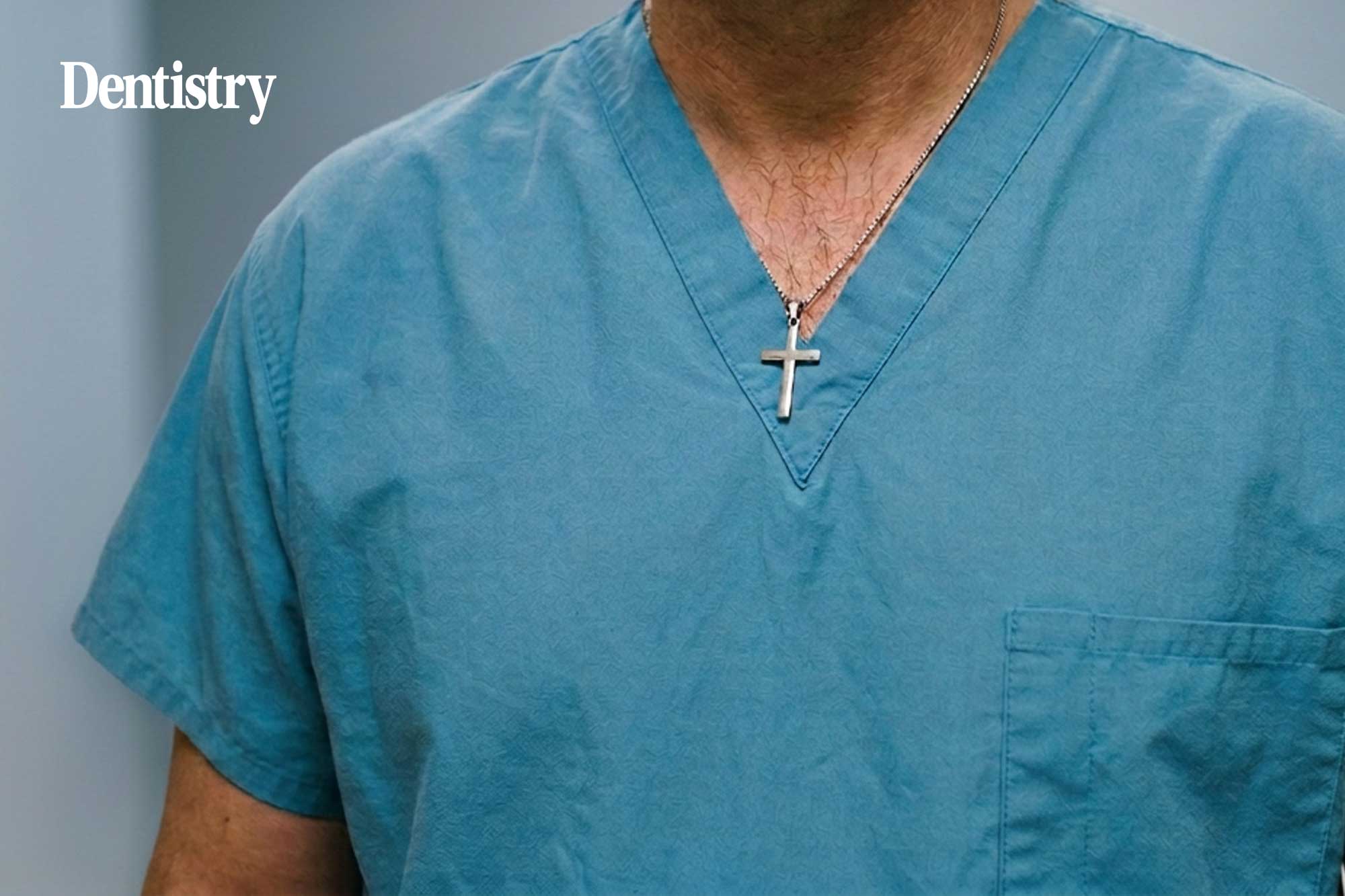
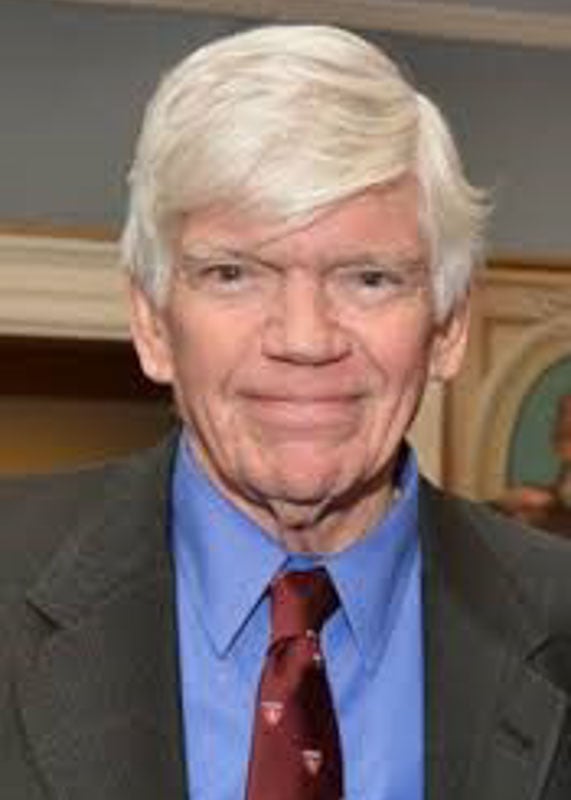
Faith can affect treatment decisions, appointment planning and workplace relationships, yet dentistry rarely discusses it. Professor Raman Bedi argues that greater understanding would improve patient care.
In 2003, Alastair Campbell famously declared that new Labour did not ‘do God’. Dentistry has often taken the same line, but our patients and colleagues bring their faith into the surgery every day.
Ask most dental professionals what shapes a patient’s experience of care and they will mention anxiety, cost, access or a bad experience in the past. Few would mention faith.
Yet for millions of people in the UK, religious belief informs how they understand their bodies, health and treatment decisions. It also shapes many of the people who deliver that care. It is a subject we rarely discuss openly, and perhaps it is time we did.
Faith in everyday practice
The 2021 Census for England and Wales found that just under half of the population described themselves as Christian, while around one in 10 identified with another religion, including Islam, Hinduism, Sikhism, Judaism and Buddhism.
In many of our towns and cities, the population is more diverse still. Every dental team, whether it realises it or not, cares for people of faith every day.
Most of the time, this makes no visible difference. Sometimes it matters a great deal.
A Muslim patient observing Ramadan may be unsure whether an injection, rinse or impression will break their fast, and may simply cancel rather than ask. A patient may want to know whether a haemostatic agent, bone graft material or medicine contains porcine or bovine derivatives.
Others may have questions about alcohol-based mouthwashes, treatment by a clinician of the same sex or appointments that clash with holy days and festivals. A Jehovah’s Witness facing oral surgery may also have specific concerns about blood products.
None of these questions is unusual. But each can become a barrier to care if the patient senses that it will not be understood or respected.
Getting it right is rarely complicated. It begins with curiosity, a willingness to ask and enough knowledge to give a sensible answer or know where to find one. Getting it wrong can quietly erode trust and lead patients to delay or avoid treatment altogether.
Faith in the dental team
Faith is not only something patients bring into the surgery. Many dentists, therapists, hygienists, nurses and practice staff are people of faith themselves.
For some, belief is the reason they entered a caring profession. It gives meaning to long days and resilience during difficult ones. At a time when the profession is under real strain, with high levels of stress and burnout reported across the workforce, the sources of strength that sustain clinicians deserve serious attention.
Faith also raises genuine professional questions. How should a clinician balance personal conviction with their duty to every patient? Where is the line between being open about who you are and imposing your beliefs on others? How do teams comprising people of different faiths, and none, work well together?
The General Dental Council’s standards are clear that every patient must be treated fairly and that personal beliefs must never prejudice care. Within that framework, there is room for a far richer conversation than we usually have.
An opportunity for the profession
Faith communities are also potential partners in improving oral health. Places of worship reach people who seldom engage with health services, and religious leaders are often among the most trusted voices in their communities.
Oral health promotion delivered alongside faith communities, rather than simply to them, may reach families that conventional approaches miss.
None of this asks the profession to take a position on matters of belief. It asks only that we recognise faith as a significant part of the lives of many patients and colleagues, and that we equip ourselves to respond with knowledge, sensitivity and respect.
That is simply good, patient-centred care.
Create a free account for unlimited access — plus the Dentistry Bulletin delivered to your inbox.
Apa Reaksi Anda?
 Suka
0
 Kurang Suka
0
 Setuju
0
 Tidak Setuju
0
 Bagus
0
 Berguna
0
 Hebat
0