











































%20and%20Batch%20Production%20Records%20(BPR).png)















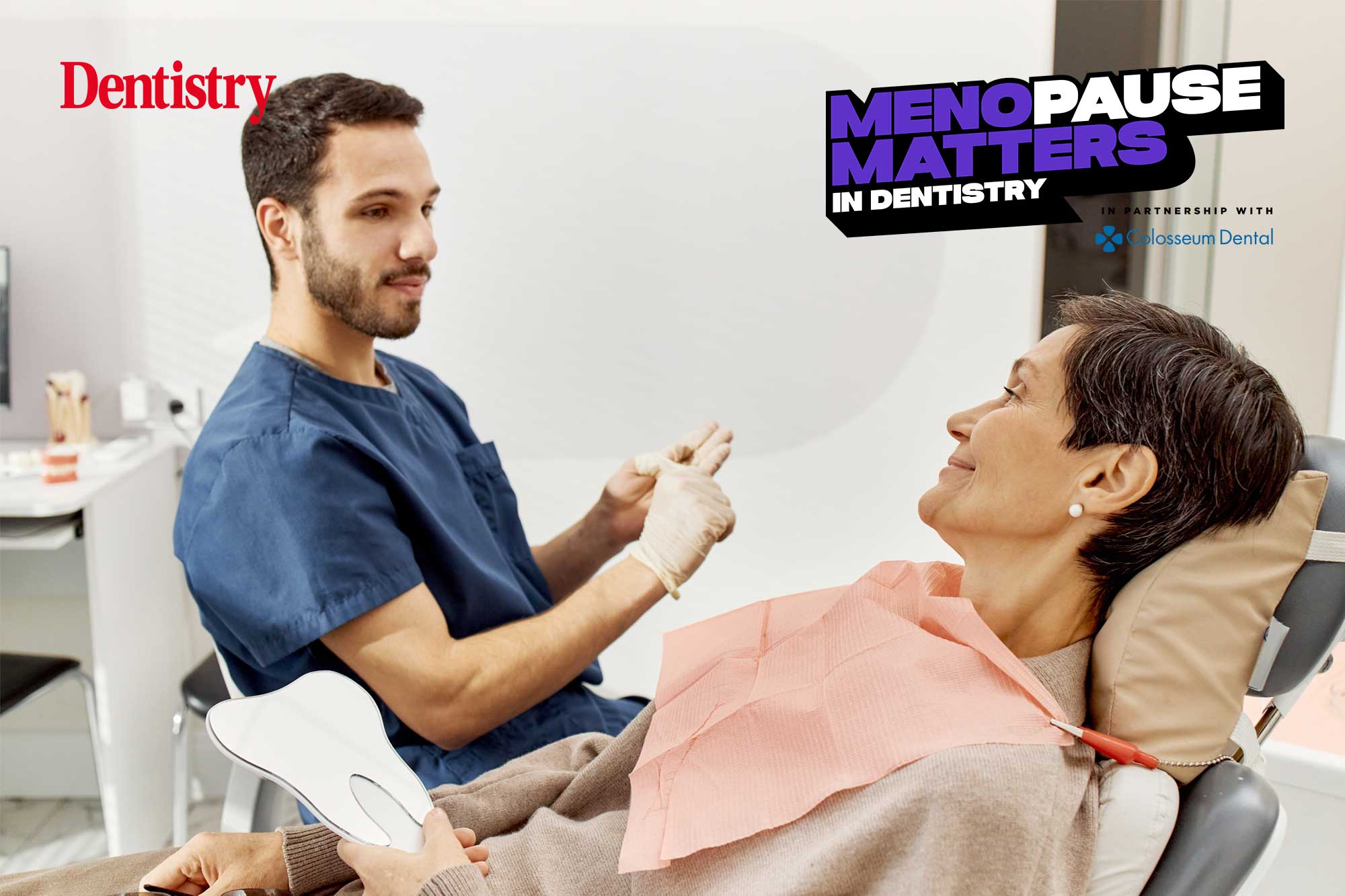
Menopause and the mouth: what are we overlooking in female patients?

Sarika Shah considers dentistry’s ‘blind spot’ when it comes to menopause – what effects should dental professionals know about and how can awareness be improved?
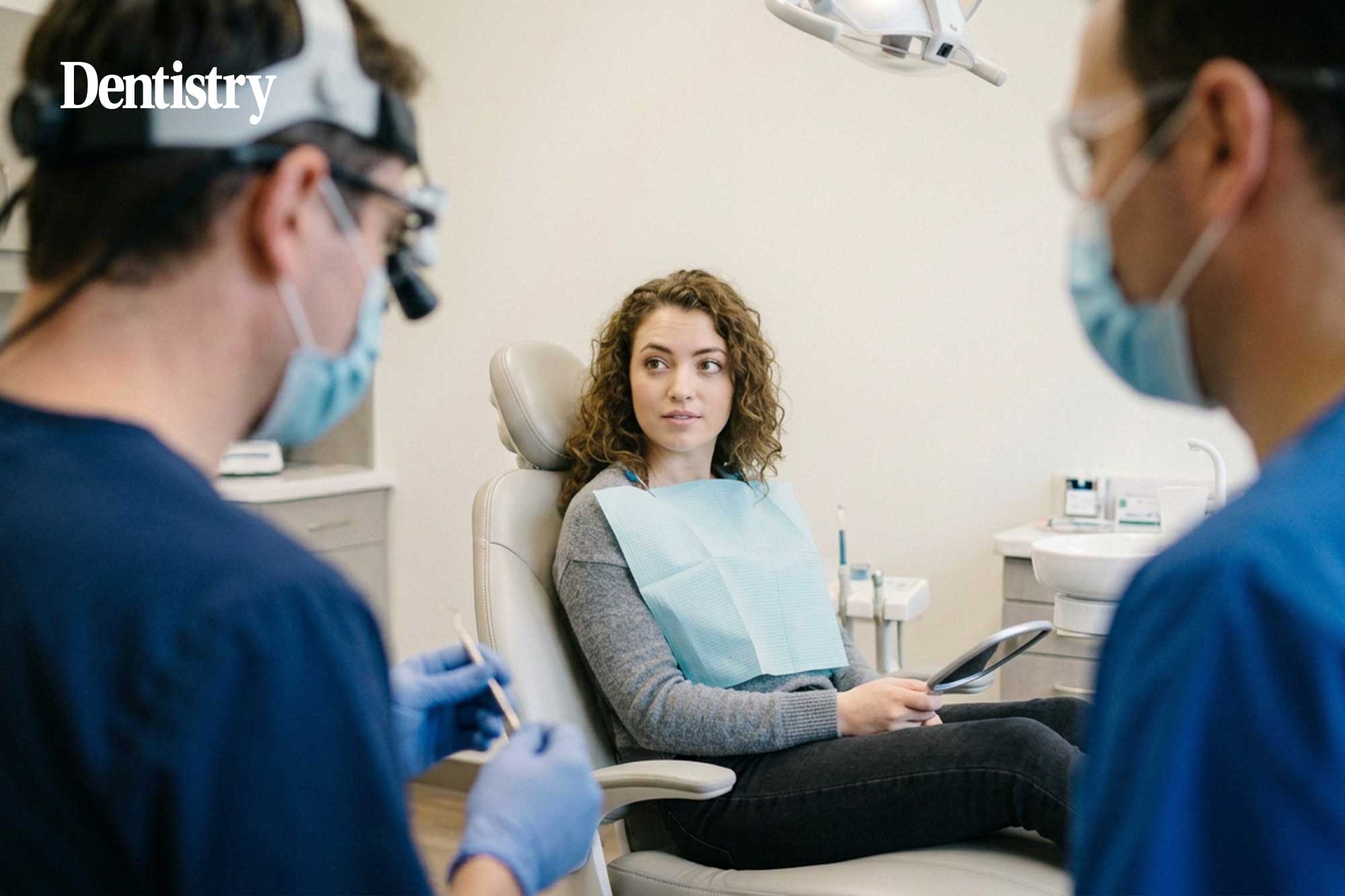
Every day in dental practices across the UK, millions of women walk through our doors – many in the midst of a profound physiological transition that often goes unrecognised.
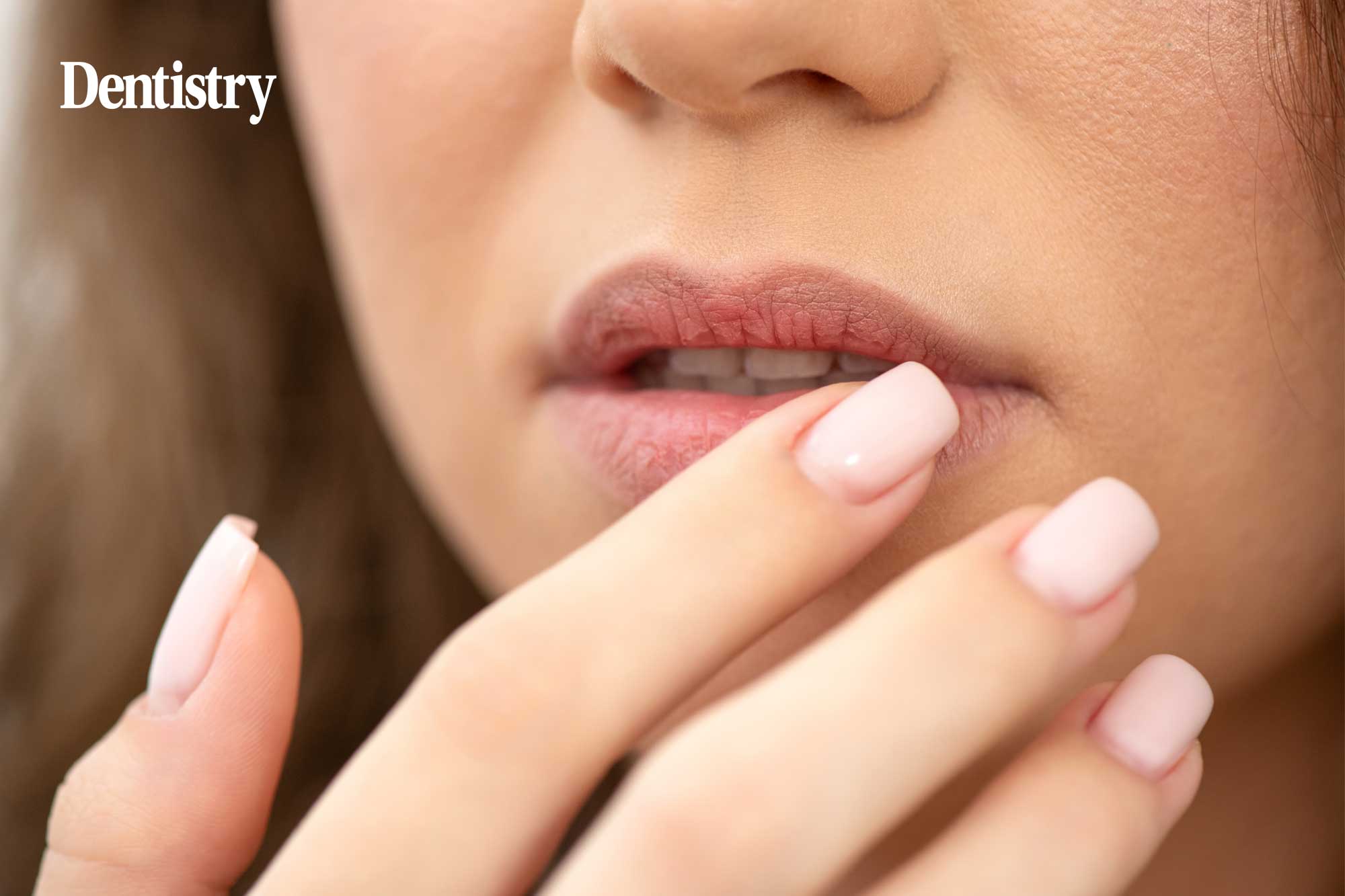
While pregnancy and its oral health implications are widely acknowledged and routinely addressed, the impact of perimenopause and menopause remains largely invisible in dental care. Yet the hormonal changes that define this life stage can subtly but significantly affect the oral cavity, altering saliva production, mucosal integrity, taste perception, and periodontal health.
For too long, this has been the profession’s ‘blind spot’, leaving a vast number of patients without the guidance, reassurance, or preventive care they deserve.
How do menopause and perimenopause affect the mouth?
Perimenopause refers to the transitional phase leading up to menopause, during which ovarian hormone production fluctuates. Menopause itself is diagnosed after 12 consecutive months without menstruation.
In the UK, an estimated 13 million women are perimenopausal or menopausal, representing a substantial proportion of our adult patient population. For dental professionals, this means a large number of patients may be experiencing oral changes that are overlooked or misattributed.
Declining oestrogen levels during perimenopause and menopause directly impact the oral environment. Oestrogen receptors are present in gingival tissue, oral mucosa, and salivary glands, meaning hormonal fluctuations can influence mucosal integrity, salivary flow, and inflammatory responses.
Clinically, patients may present with xerostomia, burning sensations, altered taste perception, gingival inflammation, and increased susceptibility to caries and root caries. Additionally, menopause-related changes in bone density may contribute to periodontal attachment loss and affect alveolar bone support, with implications for both natural dentition and prosthodontic care.
The oral manifestations of menopause are compounded by psychological and behavioural factors. Stress, anxiety, disrupted sleep, and fluctuating mood can indirectly affect oral health. Altered dietary habits, reduced oral hygiene routines, and irregular dental attendance may increase the risk of dental disease. For example, increased intake of sugary or acidic foods combined with reduced salivary flow can elevate the risk of caries and erosion, while stress-related bruxism may exacerbate tooth wear and sensitivity.
Why are dental professionals reluctant to address menopause?
Despite the scale of the issue, awareness among dental professionals remains inconsistent. Recent qualitative research in the UK found that many clinicians feel uncertain about discussing perimenopause and menopause with patients, citing limited training and a lack of clear clinical guidance.
This represents both a challenge and an opportunity: dentists and dental hygienists are uniquely positioned to detect early oral manifestations, provide preventive interventions, and support women during a life stage that is often under-discussed in healthcare.
Raising awareness within the dental team is the first step. Understanding the potential oral health changes associated with perimenopause and menopause allows clinicians to engage patients in open conversations, provide targeted advice, and implement early preventive measures.
Even simple recognition of symptoms such as dry mouth, burning sensations, or changes in taste, can validate patients’ experiences and prompt timely referral to medical colleagues if needed.
Interdisciplinary collaboration between dental teams, general practitioners, and menopause specialists can help optimise both oral and systemic health outcomes.
What does the research say about menopause and the mouth?
Evidence from the literature supports these clinical observations. Studies report that postmenopausal women are more likely to experience xerostomia, burning mouth syndrome, dysgeusia, and periodontal changes.
Salivary hypofunction and oral mucosal alterations are linked to declining oestrogen levels, while changes in bone metabolism may contribute to periodontal attachment loss and increased root caries risk.
Psychological factors, such as stress and anxiety, further modulate oral health outcomes during this life stage, highlighting the importance of holistic patient management.
Menopause is not a niche issue; it is a mainstream healthcare consideration with tangible implications for oral health. Dentistry has long recognised hormonal life stages, such as pregnancy and adolescence, as clinically significant.
It is time to treat perimenopause and menopause with the same level of attention. By embedding awareness into routine primary care, dental professionals can proactively identify patients at risk, implement preventive strategies, and improve quality of life for midlife women.
Engaging with the conversation
As awareness of menopause continues to grow across healthcare, dentistry must also begin to engage with the conversation. The scale of the population affected, combined with the potential oral manifestations, makes this an issue that deserves greater clinical attention.
One of the key barriers currently facing clinicians is the lack of a simple, structured way to identify patients whose oral symptoms may be linked to hormonal change. To address this gap, work is now underway to develop a practical chairside screening framework designed specifically for use in primary dental care.
The aim is simple: to support clinicians in recognising potential menopause-related oral changes earlier, initiating appropriate preventive care, and guiding patients toward further medical support where needed. By bringing menopause awareness into everyday dental practice, the profession has an opportunity to play a meaningful role in improving the health and wellbeing of millions of women.
References
- Sir, the oral health effects of hormonal changes in pregnancy. Br Dent J. 2020;228:101–103
- North American Menopause Society. Menopause definitions and clinical guidance. Menopause. 2022;29:767–794
- Office for National Statistics. Population estimates by age and sex, UK. 2023
- Meurman JH, Tarkkila L, Tiitinen A. The menopause and oral health. Maturitas. 2009;63:56-62
- Wardrop RW, et al. Oral discomfort at menopause. Oral Surg Oral Med Oral Pathol. 1989;67:535-540
- Hunter MS, et al. Psychological impact of perimenopause and menopause. Climacteric. 2014;17:239-246
- University of Kent. Qualitative research on communication barriers regarding peri/menopause in dental practice. 2023.
- López-Jornet P, Camacho-Alonso F, Andújar-Mateos P. Oral manifestations in postmenopausal women. J Oral Pathol Med. 2010;39(3):279–284.
- Friedlander AH. The physiology, medical management and oral implications of menopause. J Am Dent Assoc. 2002;133(1):73–81.
Follow Dentistry.co.uk on Instagram to keep up with all the latest dental news and trends.
Apa Reaksi Anda?
 Suka
0
Suka
0
 Kurang Suka
0
Kurang Suka
0
 Setuju
0
Setuju
0
 Tidak Setuju
0
Tidak Setuju
0
 Bagus
0
Bagus
0
 Berguna
0
Berguna
0
 Hebat
0
Hebat
0