
































%20and%20Batch%20Production%20Records%20(BPR).png)














NSF-Funded Test Bed Lets Researchers Program Automated Biomanufacturing Workflows
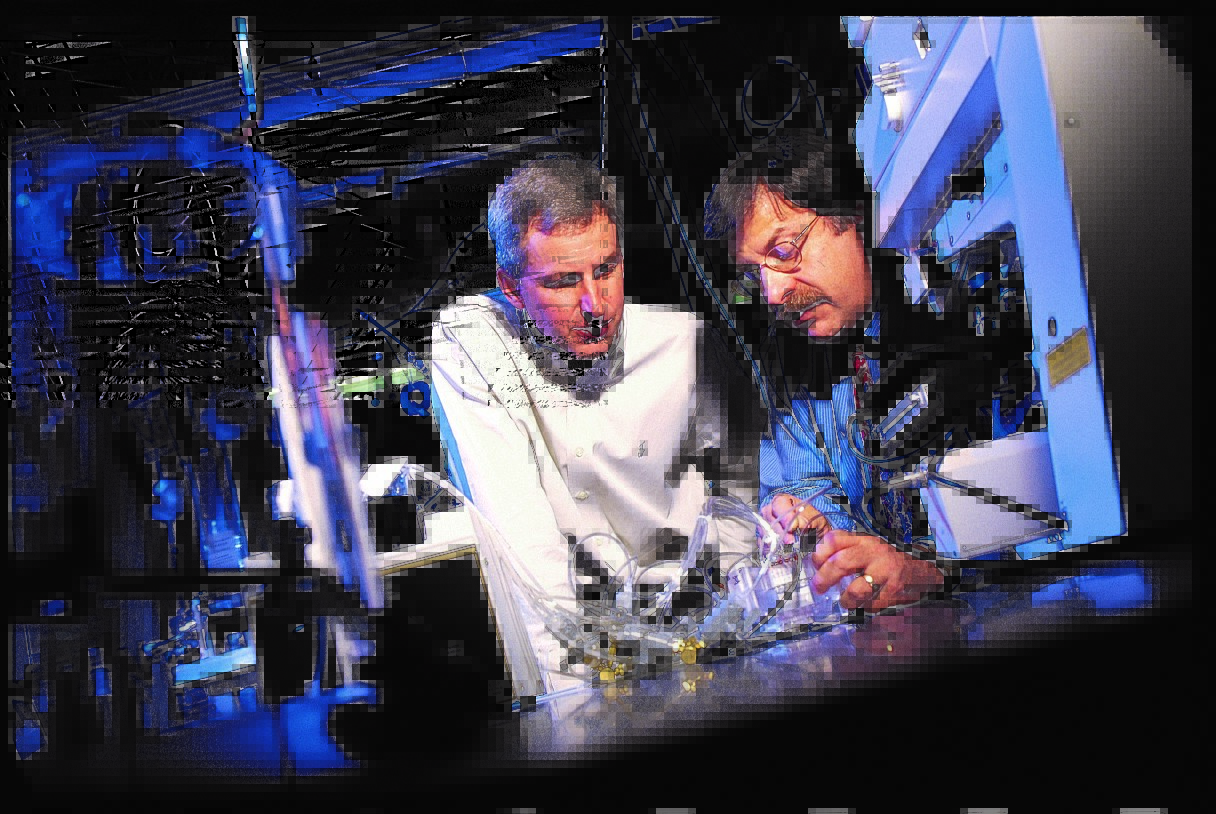
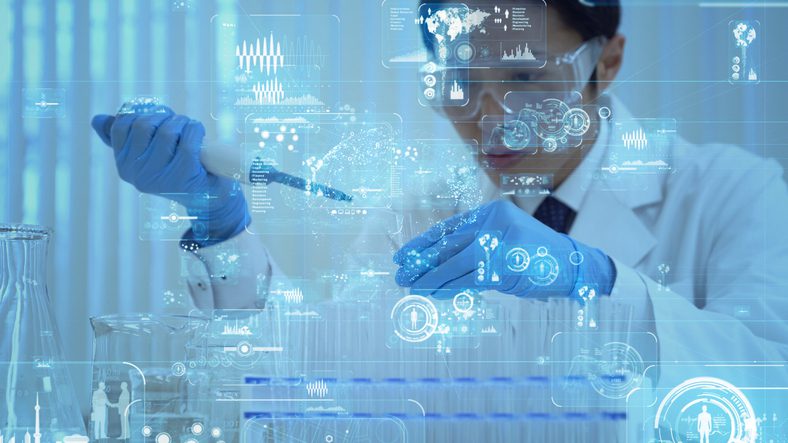
The U.S. National Science Foundation (NSF) awarded the University of Maryland in College Park $17.3 million to launch a test bed for users from across the U.S. to program automated workflows for experiments in biomanufacturing.
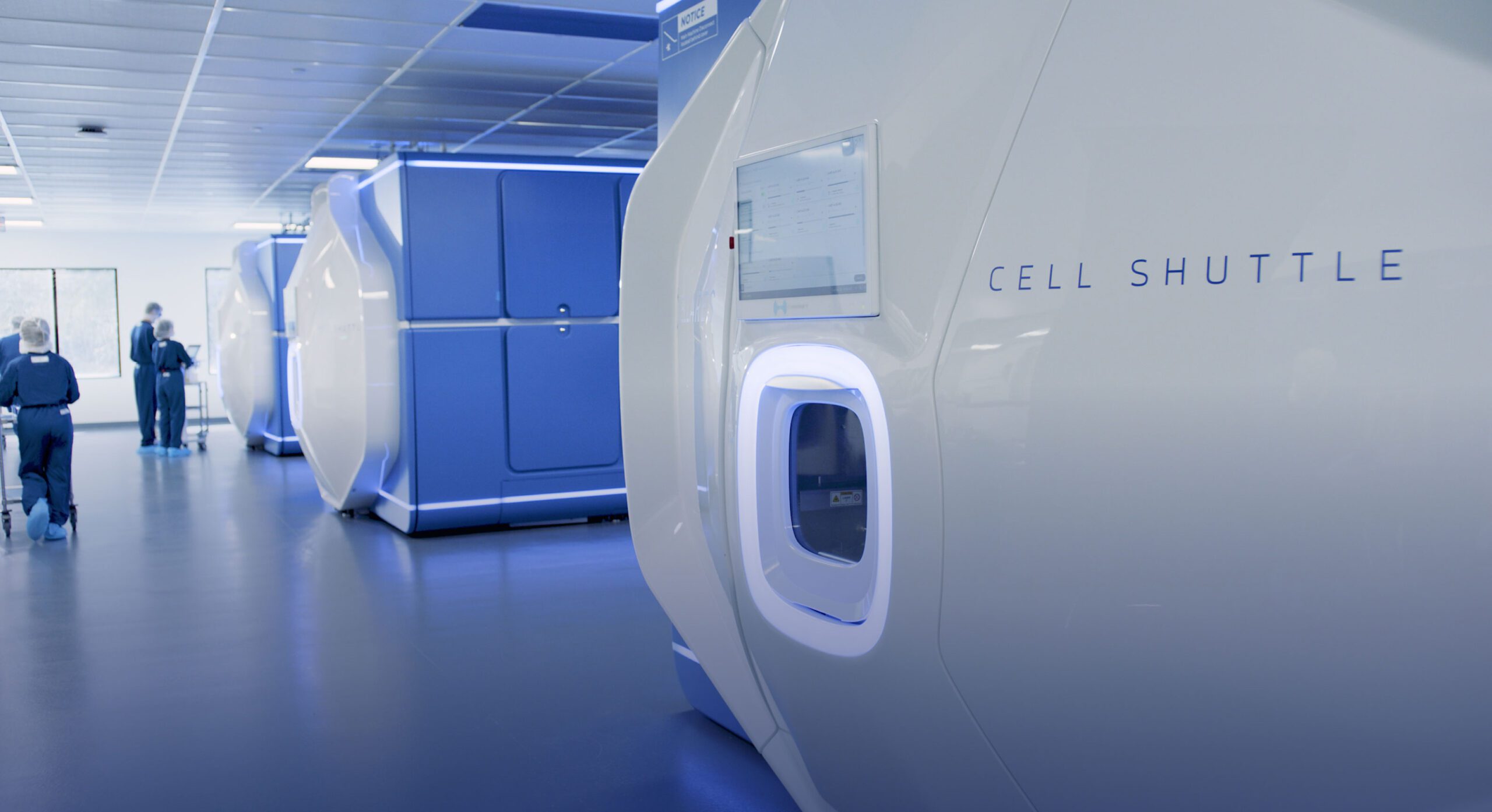
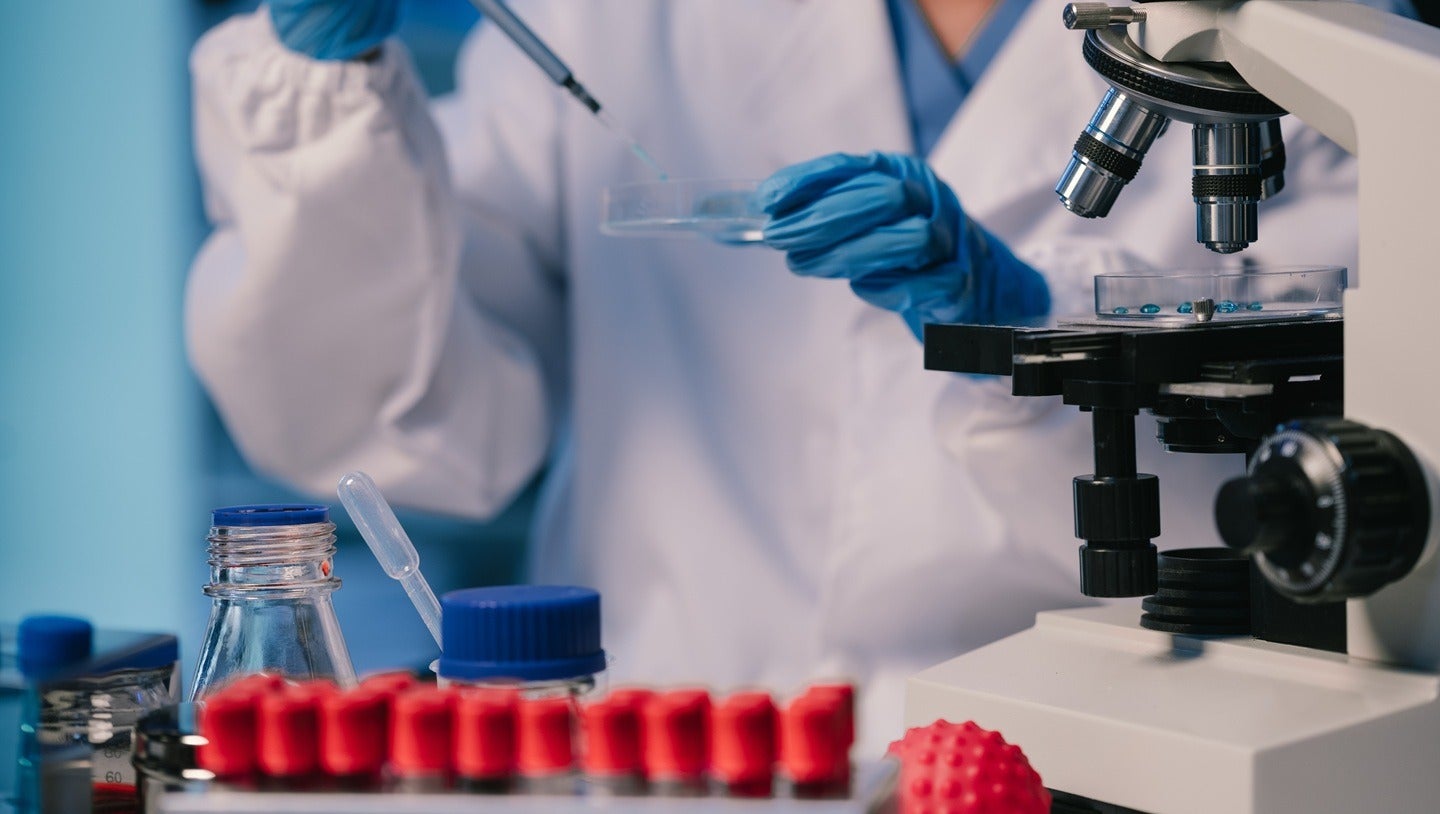
UMD’s Collaborative for the Realization of Autonomous Biomanufacturing (CRAB) Lab is one of 20 Programmable Cloud Laboratory Node sites supported through a $400 million NSF investment. The network’s goal is to create AI-enabled laboratories that test, scale, and demonstrate novel methods and tools for automated science, engineering discoveries, and translation.
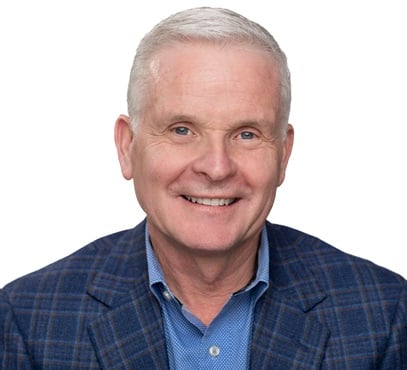
“Being selected for this award reflects UMD’s commitment to solving real biomanufacturing challenges,” said William Bentley, PhD, Robert E. Fischell Distinguished Professor, director of the Robert E. Fischell Institute for Biomedical Devices and CRAB Lab principal investigator. “What excites me most about the CRAB Lab is that it’s not just conducting research. It’s contributing to a national resource where researchers across academia, industry, and government will be able to access experiment data and automation capabilities that would otherwise be out of reach.”
Provides datasets for training AI models
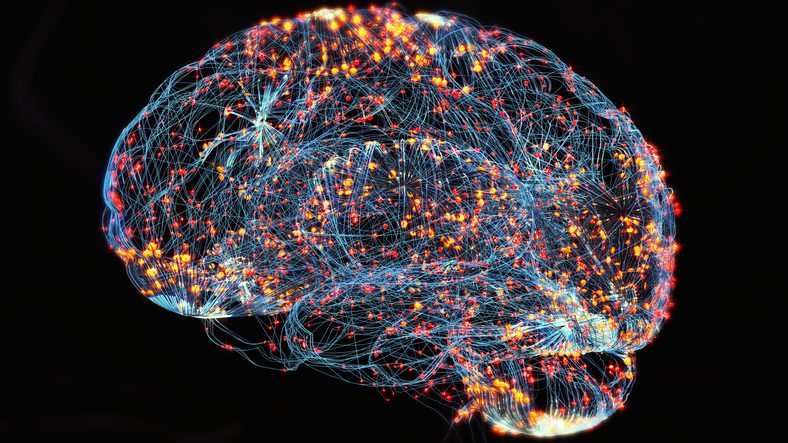
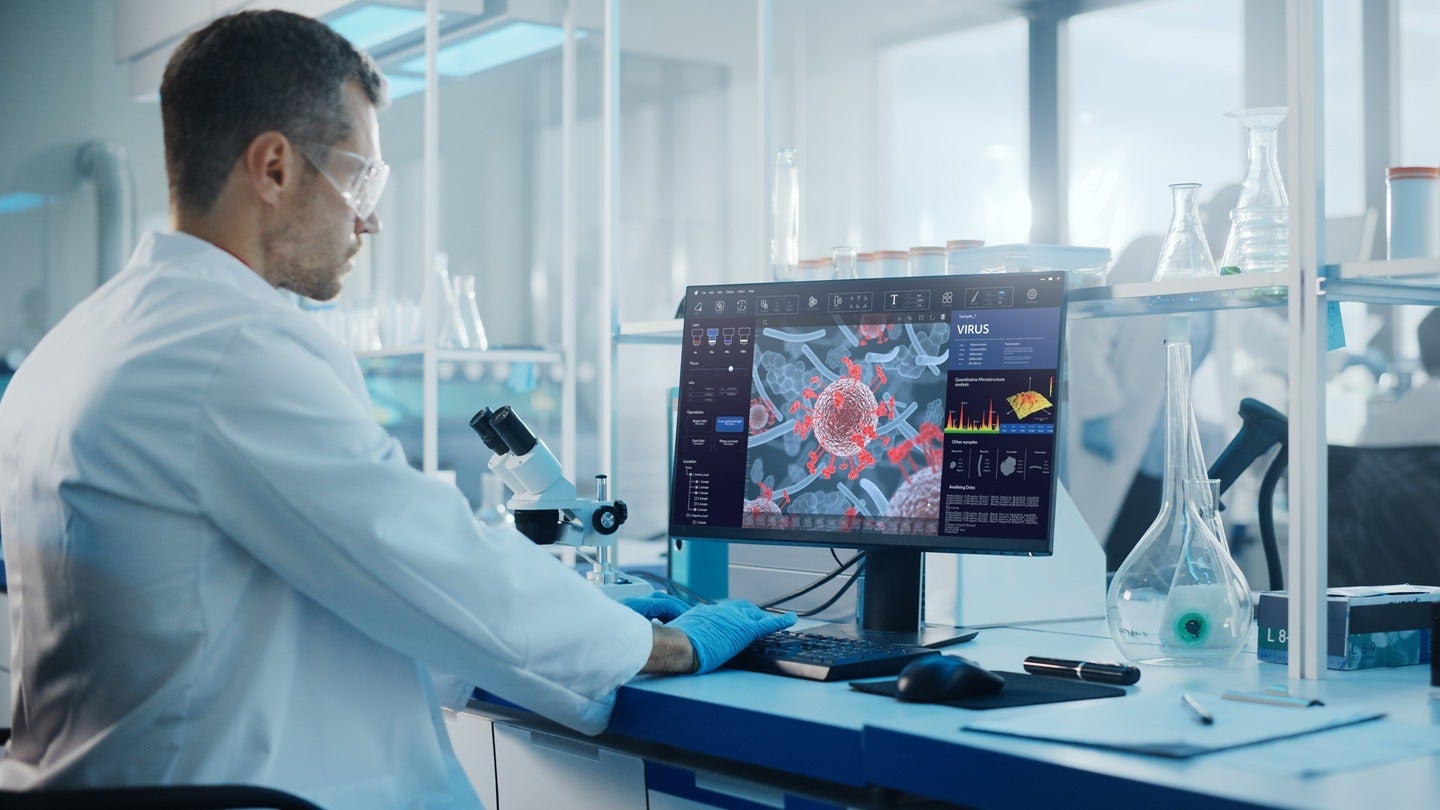
Biomanufacturing faces a critical need for real-time data processing. Traditional molecular measurement processes are too slow to train AI models, limiting the potential for experiment optimization and scaling. The CRAB Lab will incorporate an electronic measurement tool, developed at the Fischell Institute in partnership with the National Institute of Standards and Technology (NIST) and the FDA.
The tool allows for high-velocity, high-volume measurements to complement molecular data, providing comprehensive datasets for training AI models. With this information, models will be able to identify new biological vital signs—key combinations of measurements that correlate to product quality, titer and other critical process attributes—to optimize biomanufacturing processes for scale, according to Bentley, who is also appointed in UMD’s Fischell Department of Bioengineering and Institute for Bioscience and Biotechnology Research (IBBR).
The CRAB Lab builds on a long-standing partnership between UMD and NIST through IBBR, which will serve as the physical home for instrumentation, facilities and scientific expertise. The lab plans to integrate UMD’s AI and biosensor technology proficiency with industrial-scale biomanufacturing expertise from Ginkgo Bioworks.
The CRAB Lab is also aligned with the recently initiated Center for Biomeasurement and Biomanufacturing Innovation, a $33 million collaboration between UMD, UMD-Baltimore, and NIST. It is designed to accelerate the translation of new technologies to industry, to “increase the pace and lessen the costs of developing the next generation of biotherapeutics,” noted IBBR director Jonathan Dinman, PhD, a professor of cell biology and molecular genetics at UMD.
The CRAB Lab will initially serve 30 biopharmaceutical companies addressing industry-wide challenges through the Advanced Mammalian Biomanufacturing Innovation Center, an NSF Industry-University Cooperative Research Center.
“AI paired with autonomous labs is how discoveries get made and scaled at the same time,” pointe out Jason Kelly, PhD, co-founder and CEO of Ginkgo Bioworks. “The CRAB Lab gives researchers and manufacturers a shared, real-time feedback loop that could move biomanufacturing innovation from years to months.”
In addition to accelerating research, the CRAB Lab will establish on-site and remote educational programs through a dedicated training hub at The Universities at Shady Grove. These initiatives are intended to develop the workforce required for high-demand jobs in biomanufacturing.
The post NSF-Funded Test Bed Lets Researchers Program Automated Biomanufacturing Workflows appeared first on GEN - Genetic Engineering and Biotechnology News.
Apa Reaksi Anda?
 Suka
0
Suka
0
 Kurang Suka
0
Kurang Suka
0
 Setuju
0
Setuju
0
 Tidak Setuju
0
Tidak Setuju
0
 Bagus
0
Bagus
0
 Berguna
0
Berguna
0
 Hebat
0
Hebat
0