




















































Resorbable and Non-Resorbable Membranes Both Effective for Guided Bone Regeneration for dental implant site development: Study
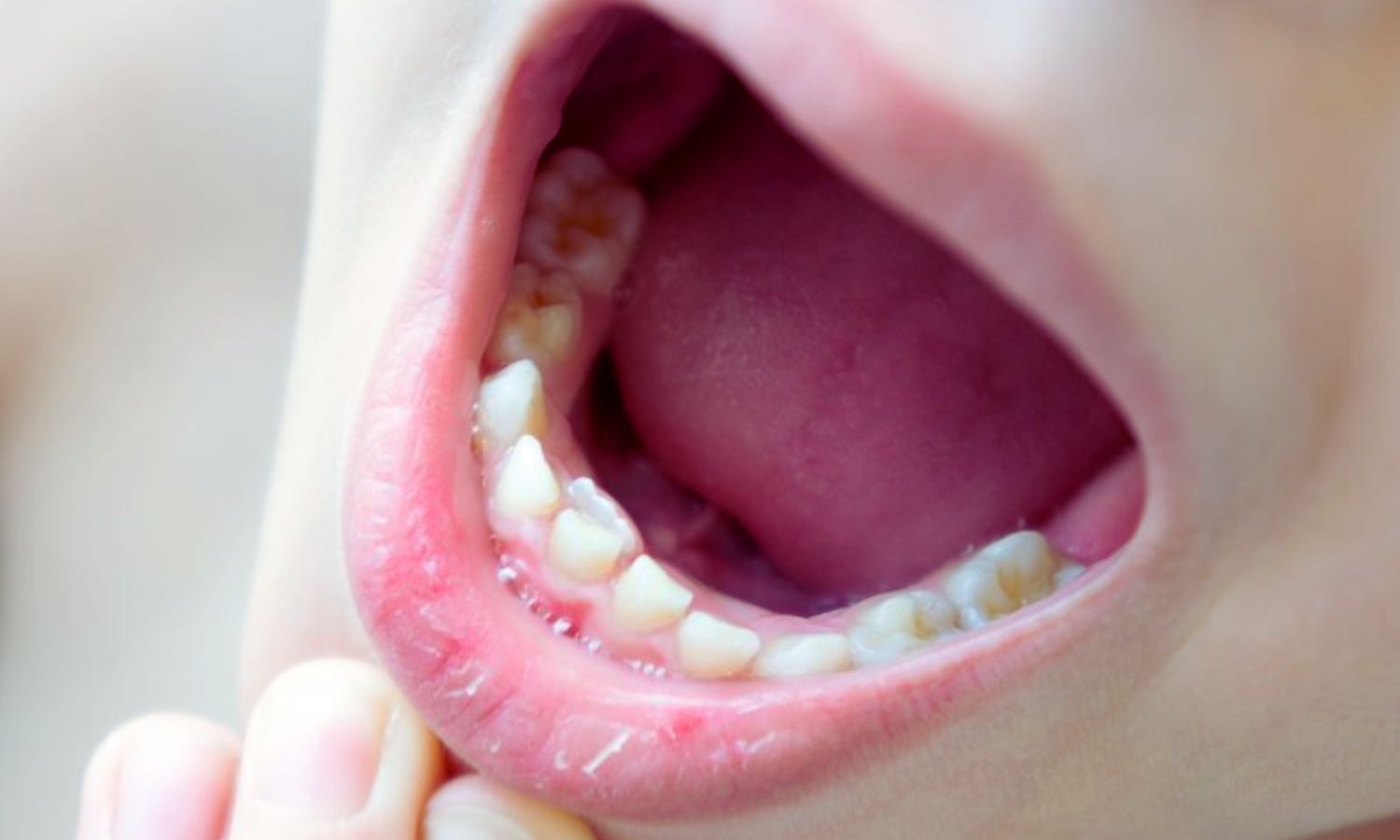
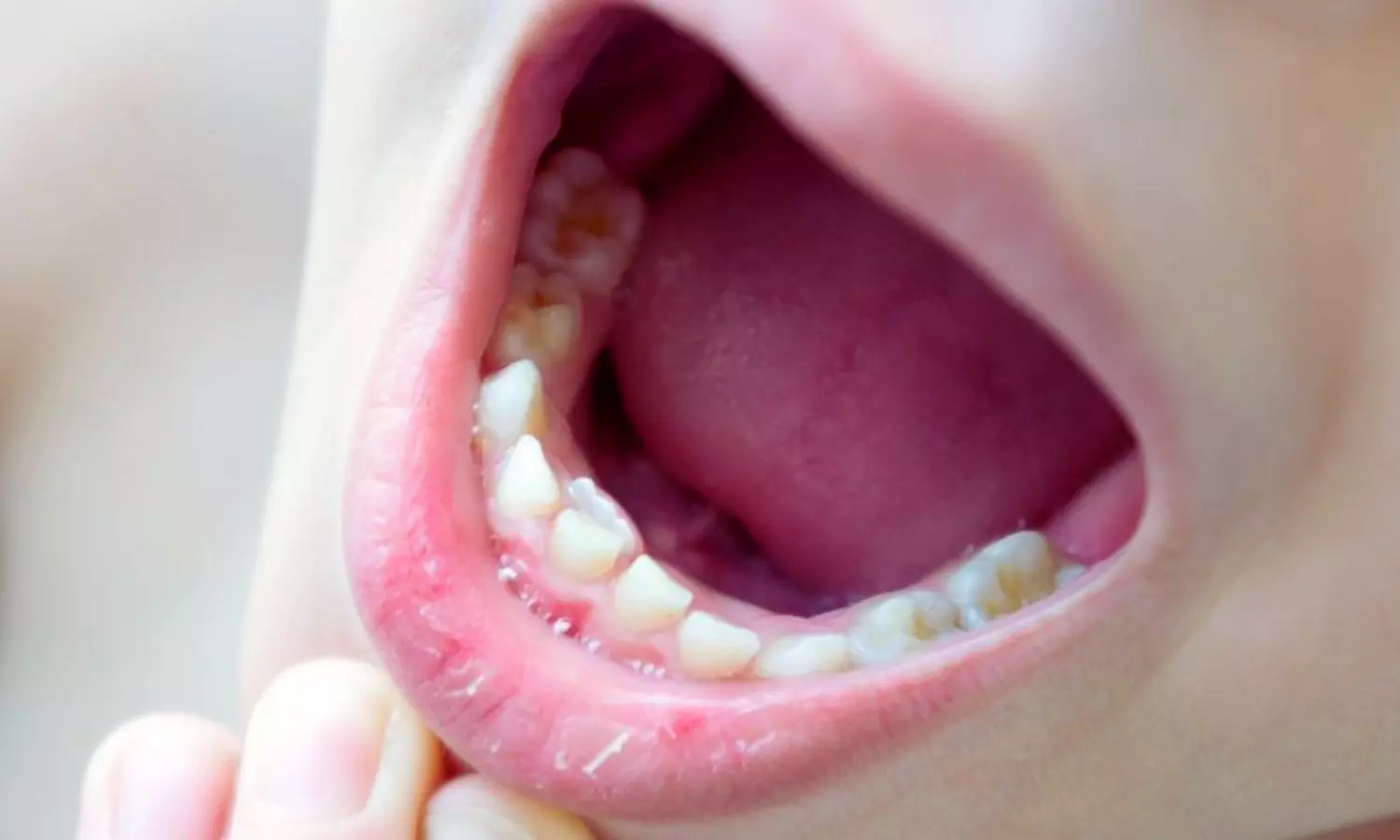
A new study published in the journal of Medicina Oral Patologia Oral Y Cirugia Bucal showed that both resorbable and non-resorbable membranes are effective, well-documented, and commonly used in guided bone regeneration (GBR/ROG) for dental implant site development
Guided bone regeneration is an important surgical method in contemporary implant dentistry and periodontology, used to fill alveolar ridge deficiencies and promote good osseointegration. The barrier membrane is an important component of GBR because it surgically blocks quickly proliferating soft tissue cells from the defect site, enabling slower-growing osteogenic cells to fill the area. While GBR has a high clinical predictability, the treatment is not immune to failures and consequences, which are inextricably tied to the kind of barrier membrane used: resorbable or non-resorbable.
Non-resorbable membranes, often made of expanded polytetrafluoroethylene (e-PTFE) or titanium mesh, provide greater space-making capabilities and structural stiffness. However, the major and most serious consequence is premature membrane exposure. Exposure causes fast bacterial colonization, infection, and reduced bone regeneration, frequently demanding emergency surgical membrane removal and risking full transplant failure.
Resorbable membranes, which are typically made of cross-linked collagen or synthetic aliphatic polyesters, reduce the need for subsequent retrieval operations, hence reducing patient morbidity. However, they create different issues. The most serious consequence is unanticipated and premature breakdown by enzymatic activity, which substantially impairs barrier function before enough osteogenesis has occurred. Furthermore, resorbable membranes frequently lack the mechanical stiffness necessary to prevent soft tissue collapse into the defect, resulting in low bone volume yield.
This study compared the effectiveness, failures, and consequences of resorbable membranes to non-resorbable membranes in patients receiving GBR, with the search undertaken through July 31, 2025.
The qualifying criteria were randomized clinical studies (RCTs) in ROG that compared both kinds of membrane. Risk of bias assessment (RoB 2.0) and data collection were carried out. The effectiveness of bone regeneration and membrane-related problems were the main outcomes.
There were 25 RCTs totaling 684 patients. The majority of research indicated that both kinds of membranes had a high success rate. Non-resorbable membranes, on the other hand, were more likely to cause problems like infections, disinheritance, and membrane exposure (up to 71%).
Overall, both membrane types are successful for ROG, yet, they should be chosen based on the defect and patient type. Resorbable membranes have a decreased complication rate, but non-resorbable membranes have better dimensional stability and require a second surgery for removal.
Reference:
Cousiño, D. S., Egido-Moreno, S., Navarro, B. G., Mejía, H. O., Blanco-Carrión, A., & López-López, J. (2026). Failures and complications associated with resorbable and non-resorbable membranes in guided bone regeneration: A systematic review and meta-analysis. Medicina Oral, Patologia Oral Y Cirugia Bucal. https://doi.org/10.4317/medoral.27721
Apa Reaksi Anda?
 Suka
0
 Kurang Suka
0
 Setuju
0
 Tidak Setuju
0
 Bagus
0
 Berguna
0
 Hebat
0