








































%20and%20Batch%20Production%20Records%20(BPR).png)















Rising Use of Tezepelumab Reflects Changing Biologic Therapy Trends in Severe Asthma, Finds Study

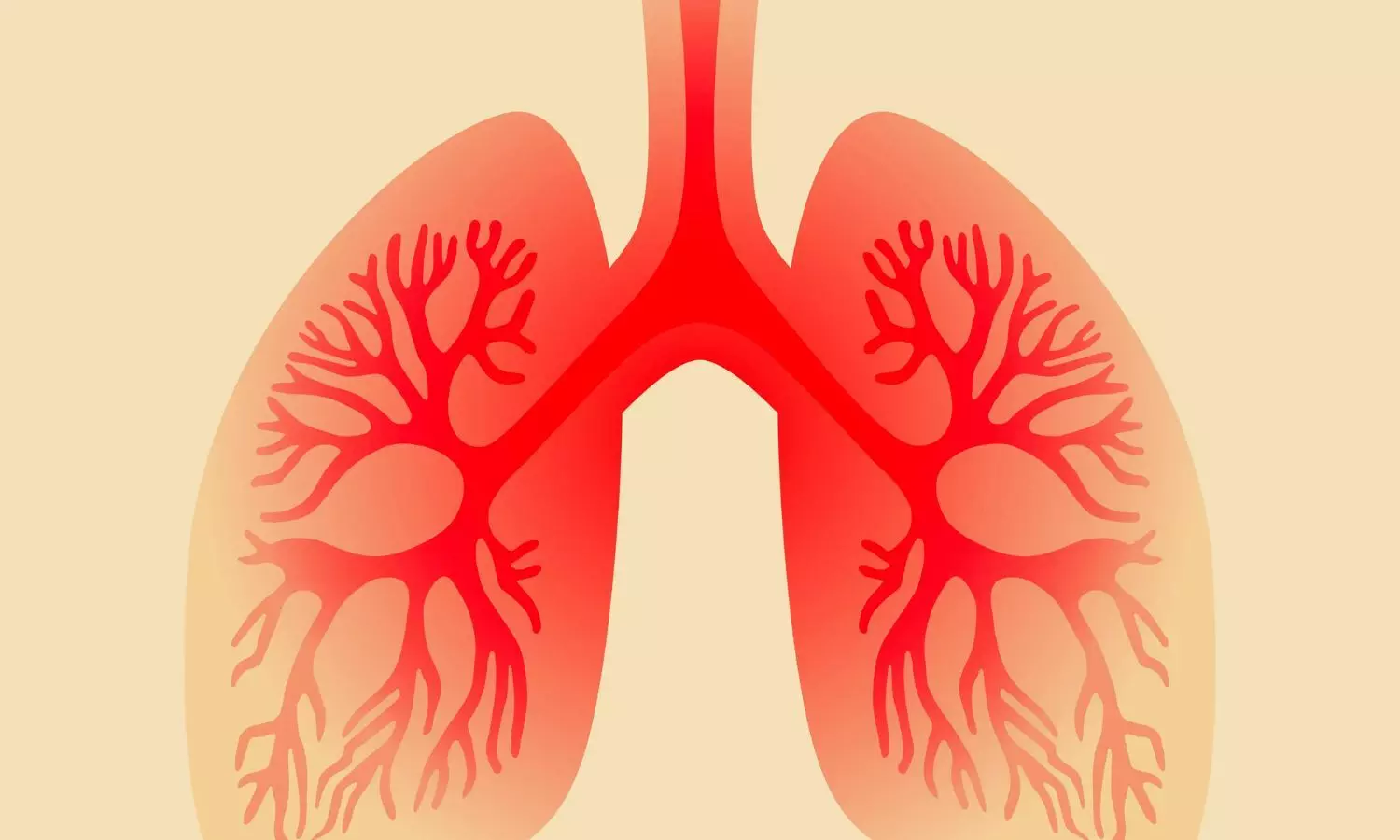
USA: Researchers have found in a new study that over the past decade, the initiation of biologic therapy for severe asthma has evolved significantly. Since 2022, the use of tezepelumab has increased rapidly, emphasizing the growing need for alternative treatments for non–T2 asthma. The findings of the study were presented at the American Academy of Allergy, Asthma & Immunology Annual Meeting (Feb 27–Mar 2, 2026, Philadelphia), and subsequently published in the Journal of Allergy and Clinical Immunology.
The key findings were as follows:
- In 2016, only two biologics were available for initiation in severe asthma: omalizumab and mepolizumab.
- Omalizumab accounted for nearly 78% of biologic initiations in 2016, while mepolizumab represented about 22%.
- Initiation rates for both omalizumab and mepolizumab declined substantially over time.
- By 2025, omalizumab initiation had decreased to 19.8%, and mepolizumab to 6.8%.
- Dupilumab comprised 1.2% of biologic initiations in 2017 but increased sharply to 26.7% by 2019, after which its use remained relatively stable.
- Benralizumab accounted for 23.4% of biologic starts in 2018, remained steady through 2023, and declined to 11.3% in 2025.
- Tezepelumab, introduced in 2022, showed consistent growth in initiation rates.
- By 2025, tezepelumab became the most frequently initiated biologic, accounting for 33% of new starts in the cohort.
Reference: https://events.rdmobile.com/Lists/Details/3220813
Apa Reaksi Anda?
 Suka
0
Suka
0
 Kurang Suka
0
Kurang Suka
0
 Setuju
0
Setuju
0
 Tidak Setuju
0
Tidak Setuju
0
 Bagus
0
Bagus
0
 Berguna
0
Berguna
0
 Hebat
0
Hebat
0

Edusehat
Platform Edukasi Online Untuk Komunitas Kesehatan Agar Mendapatkan Informasi Dan Pengetahuan Terbaru Tentang Kesehatan Dari Nasional Maupun Internasional. ||
An online education platform for the health community to obtain the latest information and knowledge about health from both national and international sources.