




































Supporting a minimally invasive approach to early caries management
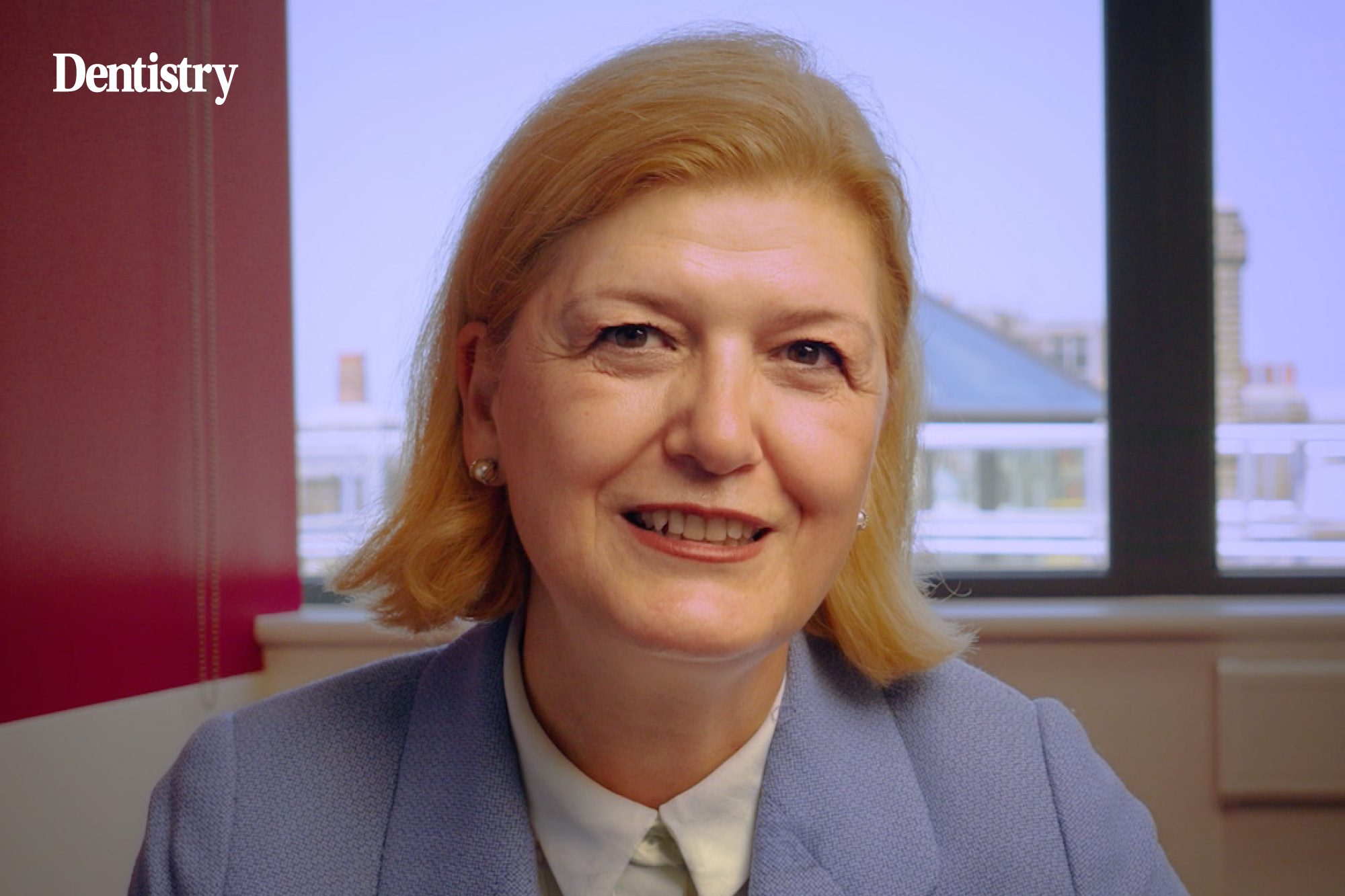
For Professor Aylin Baysan, managing dental caries begins with understanding the disease process, assessing individual risk and selecting the most appropriate management strategy for each patient, rather than simply treating the consequences of disease.
‘Dental caries is a dynamic disease process,’ Professor Baysan explains. ‘The critical question is whether the lesion can be stopped through non-operative strategies. The other important aspect is how we can avoid potential future dental carious lesions.’
These principles led to the introduction of Queen Mary University of London’s MSc in Minimally Invasive Dentistry in 2020, developed in response to growing demand for education focused on managing dental diseases through a structured, evidence-based and minimally invasive approach.
Rather than concentrating solely on the consequences of dental diseases, the programme encourages clinicians to consider early intervention while preserving healthy tooth tissue wherever possible.
As Professor Baysan explains: ‘The minimally invasive workflow begins with risk assessment, followed by early detection and ongoing monitoring with sustainable strategies.’
Putting peptide technology into practice
Clinicians need treatment options that align with the principles of minimally invasive dentistry. One example is Curodont Repair, a peptide-containing formulation that uses a biomimetic approach.
‘This technology fits very well within the minimally invasive philosophy,’ says Professor Baysan. ‘It provides clinicians with an option to treat non-cavitated initial carious lesions before ‘drilling and filling’ become inevitable. The peptide-based technology stops the progression of early dental caries and enables restoration of lost minerals throughout the depth of the carious lesion, thereby preserving healthy tooth tissue.’
Managing early carious lesions without drilling, injections or invasive restorative treatment can improve treatment acceptance, help preserve natural tooth structure and support patients who experience dental anxiety.
Shaping the future of caries management
Looking ahead, Professor Baysan believes advances in diagnostics, biomimetic approaches and artificial intelligence (AI) will continue to support earlier intervention and increasingly personalised care.
‘Over the next decade, I believe we will see a further shift towards personalised care with the involvement of AI for predicting dental diseases and managing carious lesions at their early stages with biomimetic technologies, such as peptide technology,’ she says.
Ultimately, however, Professor Baysan believes the greatest opportunity lies in making these approaches accessible to more patients.
‘I am passionate about equity in oral health. I believe minimally invasive dentistry with a personalised, risk-based approach is an essential strategy to be incorporated into daily sustainable practice to provide equity in patient access and affordable care.’
‘Everyone deserves access to access to a healthy, beautiful and confident smile,’ she says.
Discover the science behind Curodont Repair and book a demonstration today.
This article is sponsored by vVARDIS.
Apa Reaksi Anda?
 Suka
0
 Kurang Suka
0
 Setuju
0
 Tidak Setuju
0
 Bagus
0
 Berguna
0
 Hebat
0