


































































Urinary LAM, a Non-Invasive Tool for Serial TB Monitoring, Suggests Research
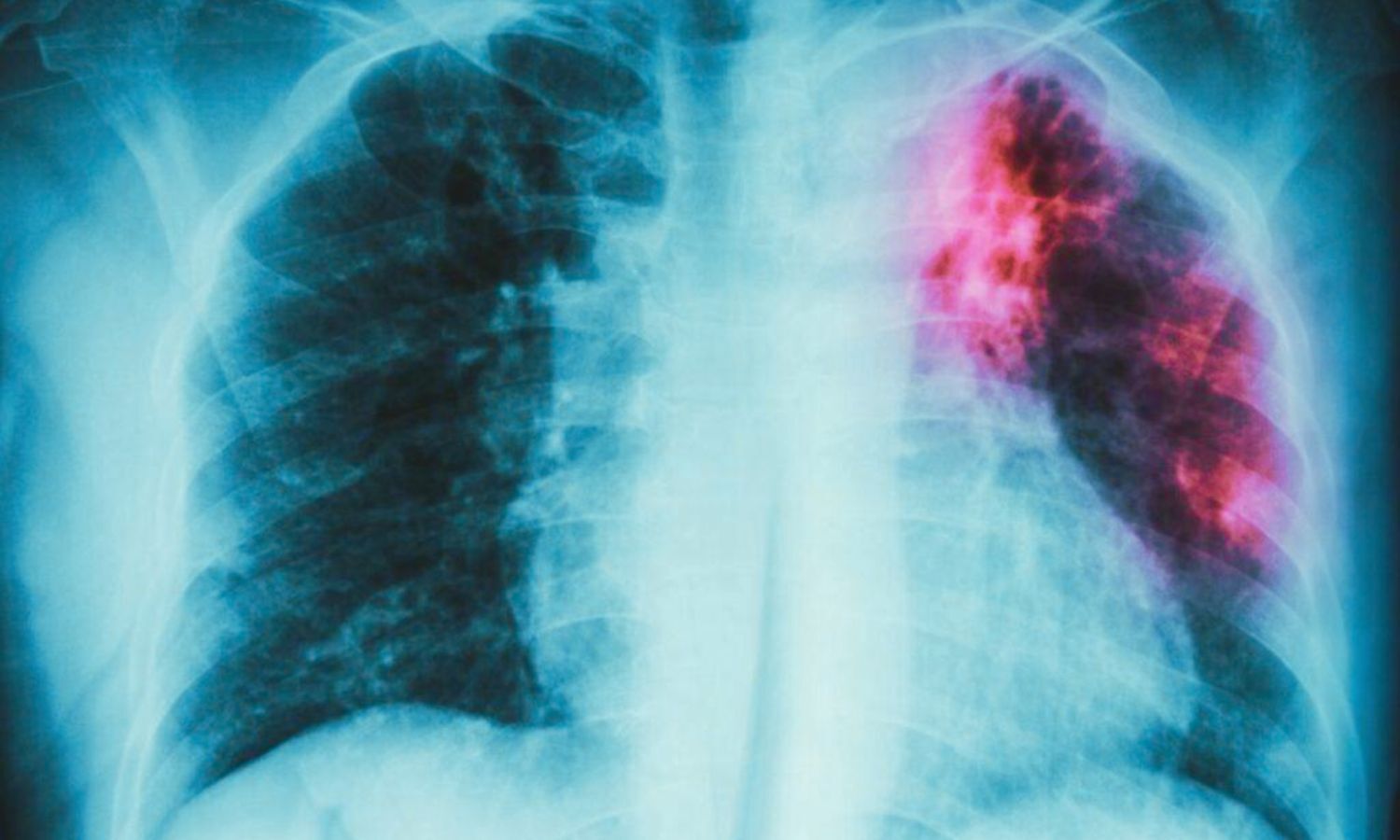
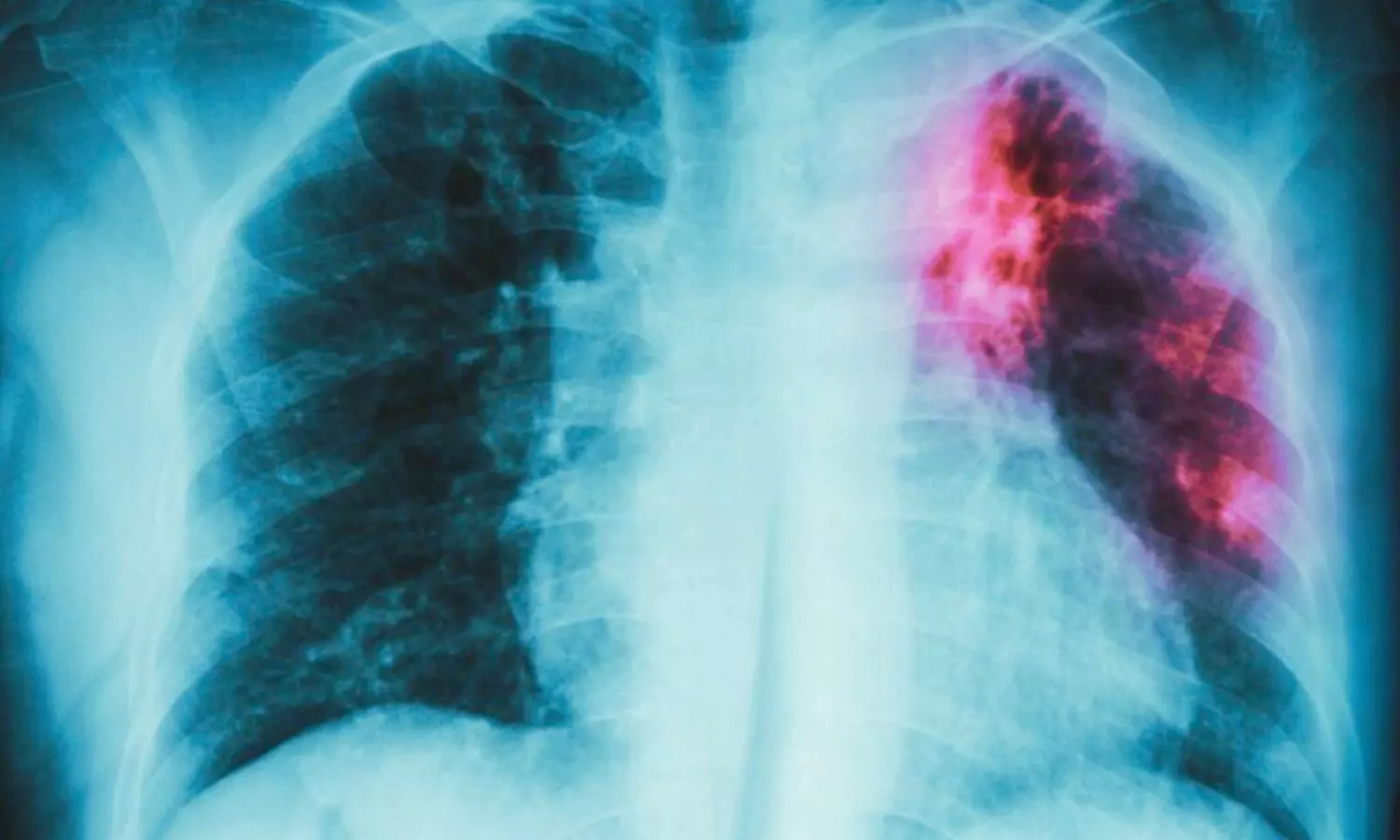
Greece: Researchers have found in a new study that urinary lipoarabinomannan (LAM) levels closely reflect patterns seen in sputum samples, suggesting that urine can serve as a reliable, non-invasive specimen for monitoring tuberculosis over time. However, results with low baseline LAM levels should be interpreted cautiously. Larger studies are needed to further validate these findings.
The correspondence, published in Tropical Medicine and Health, was authored by Vasiliki Kolokotroni from the Department of Respiratory Medicine at the University of Thessaly, Greece, and colleagues. Monitoring treatment response in pulmonary tuberculosis (TB) remains a clinical challenge, particularly in patients who are unable to expectorate sputum. Building on prior work evaluating the PATHFAST TB LAM Ag assay in sputum, the researchers explored whether the same assay could be applied to urine samples for diagnostic and longitudinal monitoring purposes.
Nine adults with confirmed pulmonary TB were followed at the University Hospital of Larissa. Urine samples were collected at treatment initiation and at weeks 2, 4, 8, 12, 16, 20, and 24. Lipoarabinomannan (LAM), a mycobacterial cell wall component, was measured using the PATHFAST TB LAM Ag assay, with concentrations of 10 pg/mL or greater considered positive. The assay was used off-label for urine, and a simplified heat and centrifugation protocol was applied before testing.
Key Takeaways:
- Urinary LAM positivity was most frequently observed between weeks 4 and 12 of anti-tubercular therapy.
- Three distinct kinetic patterns were noted during follow-up.
- Patients with high baseline urinary LAM levels showed a marked early decline after treatment initiation.
- Those with intermediate baseline levels demonstrated gradual and consistent reductions over time.
- Individuals with very low initial LAM concentrations exhibited fluctuating or occasionally rising values during therapy.
- The urinary LAM trends closely paralleled previously reported sputum-based LAM trajectories.
- One patient treated based on clinical and radiological findings, despite negative culture results, had positive urinary LAM at baseline, supporting its potential diagnostic utility.
- A patient with extensive cavitary disease showed a pronounced peak in urinary LAM levels during follow-up, possibly indicating a higher bacillary burden.
- Two patients with non-tuberculous mycobacterial infection also had detectable urinary LAM, highlighting the need for cautious interpretation.
The authors acknowledged several limitations. The small sample size limits generalizability, and follow-up is ongoing, meaning complete longitudinal data are not yet available for all participants. Additionally, the assay’s performance in urine has not been formally validated.
Despite these constraints, the findings suggest that urinary LAM monitoring may offer a practical and non-invasive approach for serial assessment of TB treatment response. The researchers also proposed that more frequent early sampling could help clarify rapid post-treatment changes in urinary LAM levels.
Overall, these preliminary observations support further investigation of urine-based LAM testing as a complementary tool in pulmonary TB management.
Reference:
Kolokotroni, V., Gerogianni, I., Gourgoulianis, K.I. et al. Longitudinal urinary LAM measurements in pulmonary tuberculosis patients: preliminary observations. Trop Med Health 54, 35 (2026). https://doi.org/10.1186/s41182-026-00910-0
Apa Reaksi Anda?
 Suka
0
 Kurang Suka
0
 Setuju
0
 Tidak Setuju
0
 Bagus
0
 Berguna
0
 Hebat
0

Edusehat
Platform Edukasi Online Untuk Komunitas Kesehatan Agar Mendapatkan Informasi Dan Pengetahuan Terbaru Tentang Kesehatan Dari Nasional Maupun Internasional. ||
An online education platform for the health community to obtain the latest information and knowledge about health from both national and international sources.