











































Where research meets compassion: A co-op term at the Brain Tissue Biobank

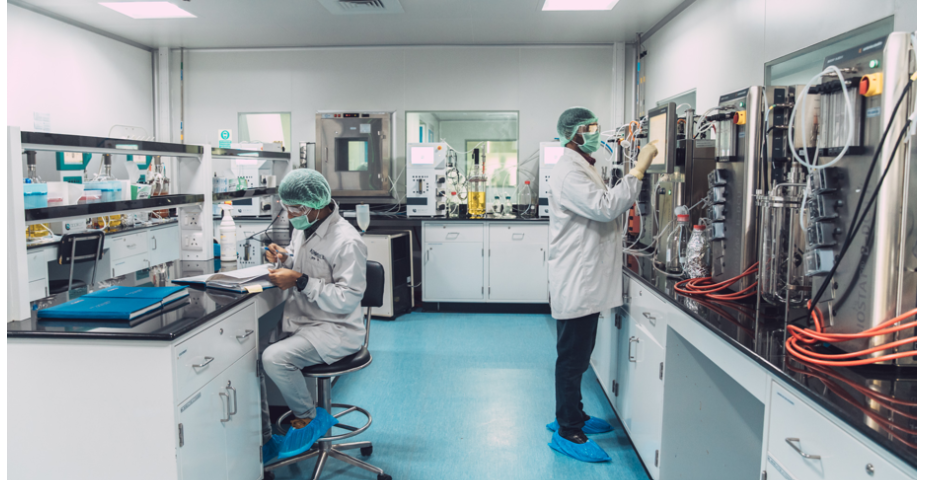
Alyssa Teresi’s co-op term at the Brain Tissue Biobank has largely been spent helping brain surgery patients understand what the freezers at St. Michael’s Hospital in Toronto are for.
The biobank is part of the University of Toronto Brain Tumour biobanking initiative, one of the largest networks of its kind in North America. It depends on patients and families making an informed decision about what’ll happen to their brain tissue after surgery, and it collects, catalogues and distributes tissue and blood for research that could eventually reshape how we diagnose and treat neurological disease.
It’s also where several co-op students are finding their way into working in healthcare, at a crucial time for the country. The Canadian Institute for Health Information reported in a March 2026 article that Canada’s health workforce is growing, but only narrowly keeping pace with population growth, and that meeting the current need for family physicians would take 49 per cent more of them.
Employers are increasingly turning to co-op terms for an answer. In a national survey of 1,121 Canadian employers published by CEWIL this September, 92 per cent said work-integrated learning helps prepare the country’s workforce for what the labour market will need next. The most common reason for taking students on was to assess future hires.
“Co-op students are far more than temporary help — they are catalysts for fresh ideas and operational growth,” says Sorcha Kellett, research manager of neurosurgery research at Unity Health Toronto. Students on her team have supported the consent process, built the biobank’s webpage and designed its conference posters. What the biobank gets back is “passion that encourages our ongoing improvement while supporting the foundation of what we do.”
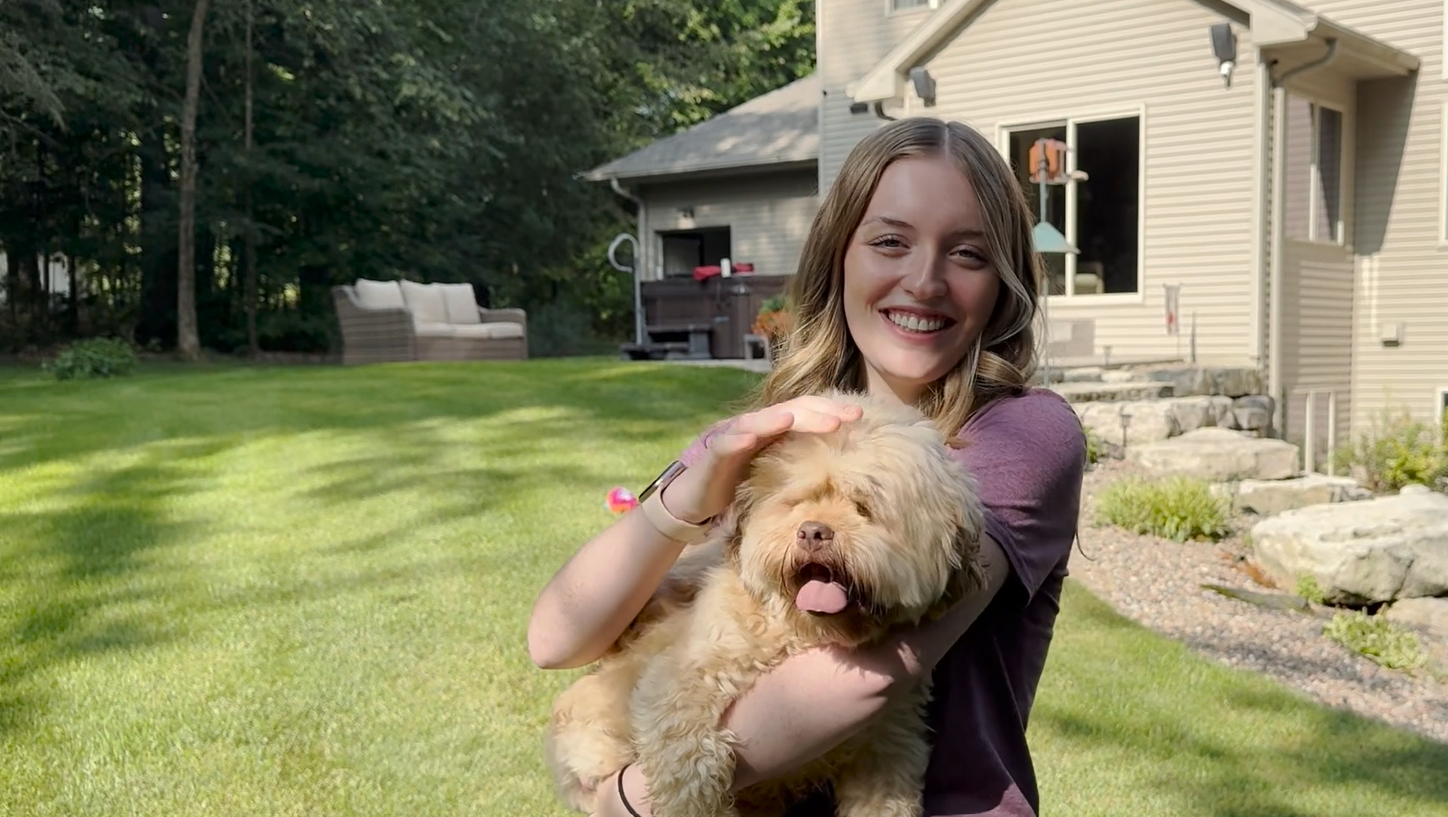
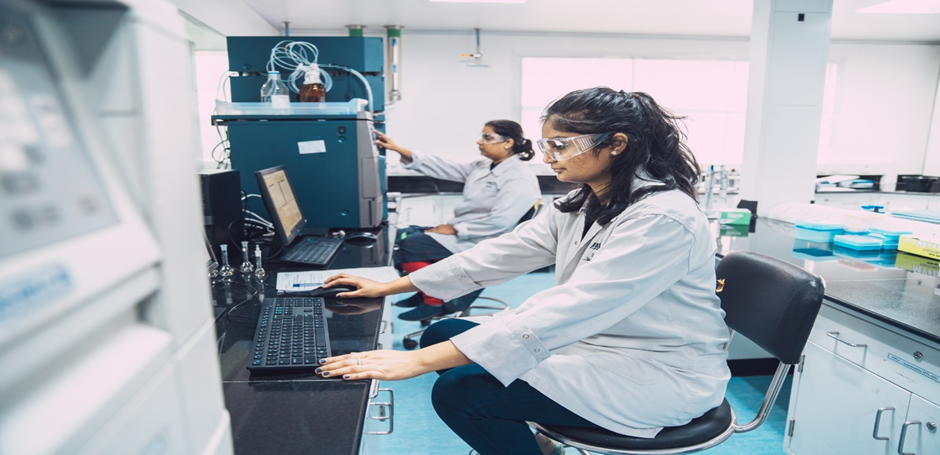
Teresi, a third-year health sciences student in U of T Scarborough’s Arts and Science Co-op program, spends much of her term explaining biobanking to patients, consenting them and helping build the brochures that make it easier to grasp. Her coursework covered sample handling, contamination prevention and safety protocols; paraffin embedding she learned on the job. Her classes prepared her for the science, she says, “but this co-op placement taught me the human side of healthcare.”
Then there’s Reva Jerath, a third-year health sciences and psychology student also on a co-op placement at the biobank. She reviews pathology reports, handles tumour diagnoses including gliomas, and tracks the clinical relevance of the biospecimens coming in, building on an earlier co-op term as a biobank technician at Princess Margaret Cancer Centre.
For those students, the takeaway can be seismic. “Healthcare is research, clinical practice, and compassion all interconnected together as one working community,” Teresi says. Interacting with patients, she says, has shown her “the importance of meeting people where they are at.” Jerath had thought of healthcare mainly as clinical care, and now sees how much depends on work patients never witness — progress, she says, “relies not only on scientific discoveries, but also on patient participation, trust, and collaboration.”
Last December, three hospital networks in Ontario and Alberta funded a five-year Cross-Canada Chair in Compassionate Care, a national research post dedicated to building a unified, system-wide approach to delivering it. They have reason to: asked to rate the quality of their care, 4,501 patients across 14 Alberta emergency departments were swayed more by compassion than by any of 20 other factors — wait times and pain management included.
The science will keep getting more complex and the data will keep piling up. Both will depend on the tissue that someone agreed to give, catalogued by someone who tracked it carefully, explained by someone who made it all make sense. These are the roles the future of healthcare will rely on, and students are learning them through co-op work terms.
Teams like the biobank’s rarely manage co-op students alone. University co-op offices help post the roles and coordinate the hiring process. Terms often run four, eight or 12 months, so teams can scale their support to a project instead of a fiscal year. For students, it’s just long enough to learn whether a career in research or clinical care is right for them.
The University of Toronto co-op team at Scarborough team gives every employer a dedicated point of contact for their hiring needs. To find out more about hiring a student, you can directly contact the team.
The post Where research meets compassion: A co-op term at the Brain Tissue Biobank appeared first on Hospital News.
Apa Reaksi Anda?
 Suka
0
 Kurang Suka
0
 Setuju
0
 Tidak Setuju
0
 Bagus
0
 Berguna
0
 Hebat
0