


















































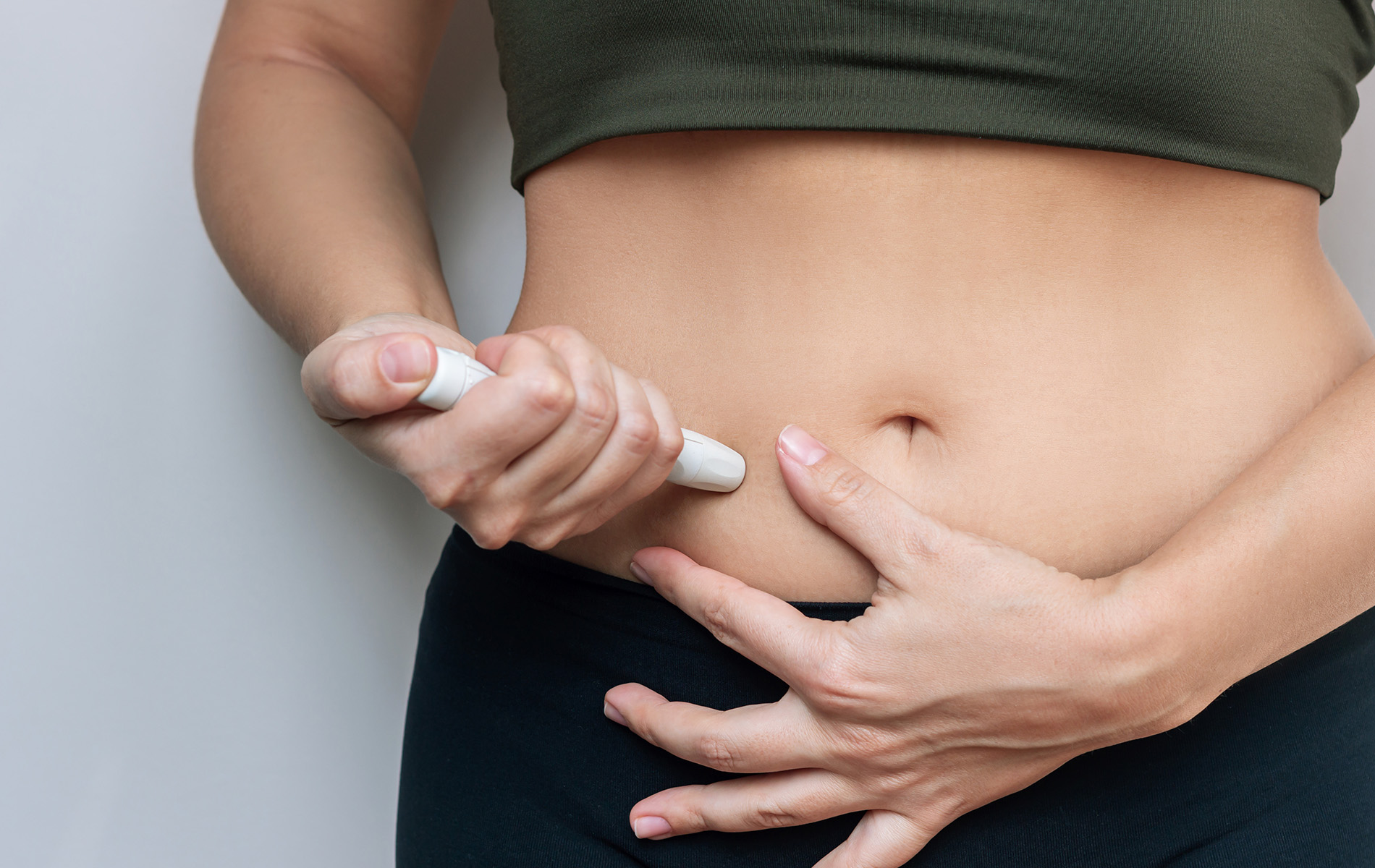





How to enjoy your holiday without losing your transformation results



You’ve worked hard to lose body fat, build muscle or improve your health. The last thing you want is one holiday undoing months of progress.
It’s a common concern. Holidays can often mean all-inclusive buffets, long lunches, cocktails by the pool, late nights and a complete break from your normal day-to-day routine. Many people either try to stay perfectly “on plan” and end up feeling guilty for enjoying themselves, or decide the week is a complete write-off and promise to start again when they get home.
The reality is that neither approach is necessary.
A holiday doesn’t have to mean choosing between making progress and enjoying yourself. In fact, maintaining your results for a week while making memories with family or friends is often a more realistic goal.
At Ultimate Performance, we don’t see holidays as an unavoidable disruption to a client’s programme. We plan for them. The objective may temporarily shift from driving progress towards simply maintaining muscle, managing body weight and protecting the habits that will make it easier to resume normal training afterwards.
With a little planning and a handful of simple habits, you can enjoy your holiday, return home feeling refreshed and continue from where you left off without weeks of unnecessary recovery or restriction.
Here are the principles we use with clients to help them maintain the results they’ve worked hard to achieve while still enjoying their holiday.
Why one holiday rarely undoes months of progress
One of the biggest misconceptions about holidays is that a week or two away will undo everything you’ve worked towards. In reality, meaningful body composition changes happen over time, not over a few days.
Many people return from holiday, step on the scales and assume they’ve gained several pounds of body fat. More often than not, that increase reflects temporary changes in body water, glycogen stores and the amount of food still moving through the digestive system, rather than an equivalent increase in body fat [1,2].
That doesn’t mean holidays are consequence-free. Eating more calorie-dense food, drinking alcohol more frequently, moving less and abandoning your normal routine can all contribute to regaining fat and body weight if they continue for long enough. The real problem is rarely the holiday itself. It’s allowing a week of relaxed habits to become several more once you’re back home.
This is why the goal shouldn’t be trying to lose fat while you’re away. For most people, the smartest objective is simply to maintain the progress they’ve already earned. Protecting your muscle mass, keeping your activity levels reasonably high and avoiding excessive overeating means you can return home ready to continue making progress, rather than spending weeks trying to recover lost ground.
Ultimate Performance trainers often encourage clients to think of holidays not as interruptions, but as ‘maintenance phases’ that are planned in advanced. Training, nutrition and expectations are adjusted to suit the situation, with the focus shifting from driving new progress to protecting the results already achieved. Maintain the habits that matter most, enjoy the experience, and resume your normal routine as soon as you return. That way, a holiday becomes part of the program, not a setback to it.
The holiday mindset that really derails progress
Very few people lose months of progress because of one indulgent meal or an extra dessert.
More often, it’s the mindset you take into the holiday and the dozens of small decisions that follow.
For many people, a holiday becomes an all-or-nothing event. Healthy habits are switched off completely because “I’m on holiday”, with the intention of starting again once they’re home. Every meal or buffet becomes an opportunity to eat as much as possible because it’s included. Every evening becomes another excuse for drinks. And each missed workout feels like a reason not to bother for the rest of the trip.
Individually, none of these decisions are likely to make a significant difference. Together, repeated several times a day over a week or two, they can create a large calorie surplus while replacing many of the habits that helped achieve your results in the first place.
A more effective approach is to stop viewing your holiday as a break from looking after yourself.
A holiday is a break from work, routine and everyday responsibilities. It doesn’t have to be a break from the habits that support your health.
That doesn’t mean weighing every meal, refusing every local speciality or spending hours in the gym while you could be walking on the beach or swimming in the sea. It means identifying the behaviours that have the biggest influence on your progress and making those your priorities for the week.
This shift in mindset changes the question from “How do I avoid eating anything unhealthy?” to “How do I enjoy this holiday while staying broadly consistent with the habits that got me here?”
That small change in perspective often changes the decisions that follow. And ultimately, it’s those decisions, rather than the holiday itself, that determine whether you return home ready to continue progressing or feeling like you’re starting again.

Define success before you pack your suitcase
At Ultimate Performance, one of the first conversations we have with clients before they travel isn’t about food or training. It’s about defining what success looks like for that particular trip.
The approach that makes sense for someone six weeks away from a photoshoot or wedding isn’t necessarily the right one for someone taking their first family holiday in years. Likewise, someone who has recently lost 20kg has different priorities to someone who has been maintaining their weight successfully for several years.
The first step is deciding what success looks like before you leave.
If you’re in the middle of an important fat loss phase or working towards a specific deadline, your goal may be to continue making progress by planning meals carefully, limiting alcohol and keeping your training routine as consistent as possible.
For most people, however, maintenance is a more realistic and more productive objective. Holding your weight broadly steady, maintaining your strength, staying active and returning home ready to resume your normal routine is a successful outcome. Trying to lose fat while surrounded by celebrations, restaurants and local food often creates unnecessary restriction, making it harder to enjoy the holiday and increasing the likelihood of overcompensating later.
There will also be occasions where enjoyment quite rightly takes priority. A honeymoon, milestone birthday or once-in-a-lifetime trip may not be the time to think about body fat percentage every day. Even then, maintaining a handful of simple habits can prevent a week of celebration from becoming weeks of lost progress afterwards.
The goal may change, but the principles don’t. Maintain your muscle. Stay active. Eat well most of the time. Return to your routine as soon as you get home.
Approaching your holiday with a clear objective removes uncertainty. Rather than making food and training decisions in the moment, you’ll already know the standard you’re aiming to maintain. That makes consistency much easier than relying on willpower alone.
 Read how Irina achieved her transformation in 15 weeks and maintained it on holiday and beyond.
The 5 habits that help maintain your progress on holiday
When clients travel or go on holiday, Ultimate Performance trainers don’t expect them to recreate their normal routine perfectly. Instead, we focus on the few behaviours that have the biggest influence on body composition.
If you only concentrate on a handful of things while you’re away, make them these.
1. Prioritise protein at every meal
Protein should remain the foundation of your meals, whether you’re eating at a hotel buffet, a beachside restaurant or a family barbecue.
Higher-protein meals help preserve muscle mass when training frequency is reduced, increase feelings of fullness and make it easier to avoid overeating throughout the day [3]. They’re also the easiest way to maintain some structure when the rest of your routine changes.
That doesn’t mean every meal needs to be perfect. Simply start by choosing a quality source of protein such steak, fish, seafood, chicken, Greek yoghurt, or eggs, before adding everything else to your plate. 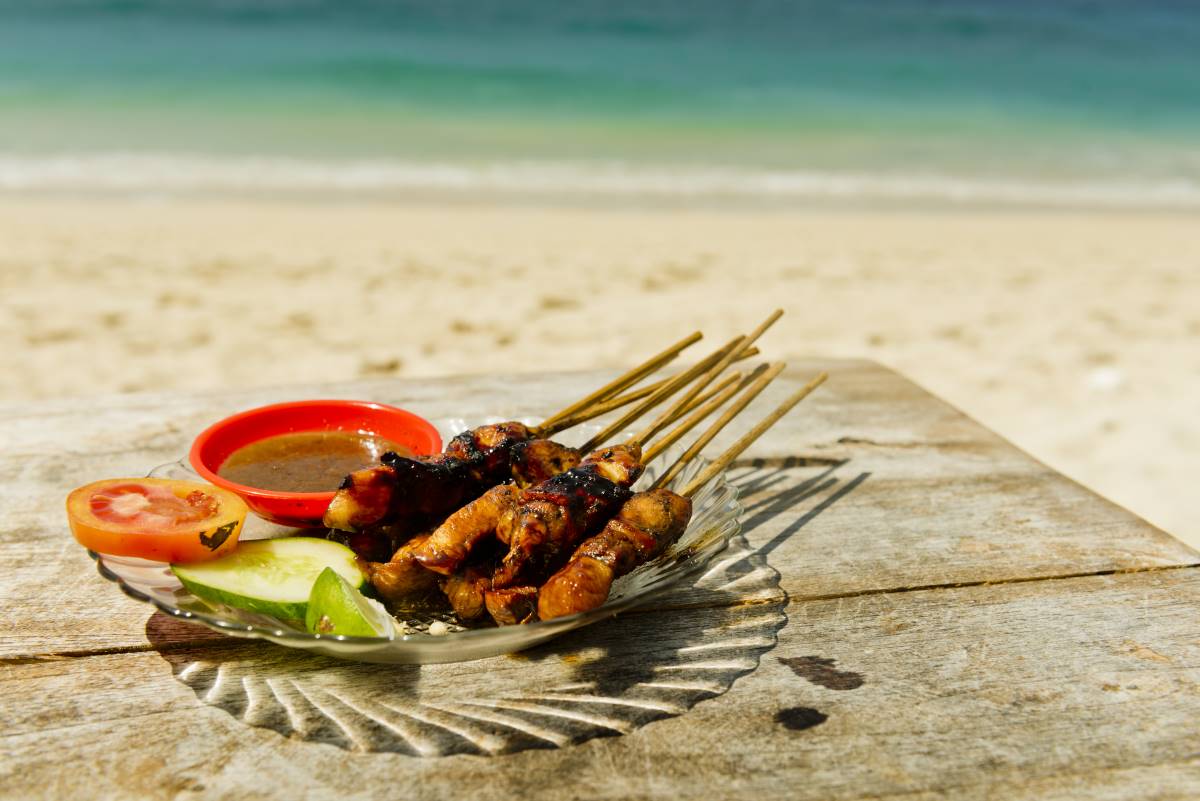
2. Stay active, even if you aren’t training
Many people assume they need to find a gym and train every day to avoid losing progress.
In reality, maintaining your daily activity levels is often more important than squeezing in another workout.
Holidays naturally involve more time sitting by the pool, travelling in cars or relaxing at restaurants. That reduction in everyday movement can significantly reduce daily energy expenditure without you noticing.
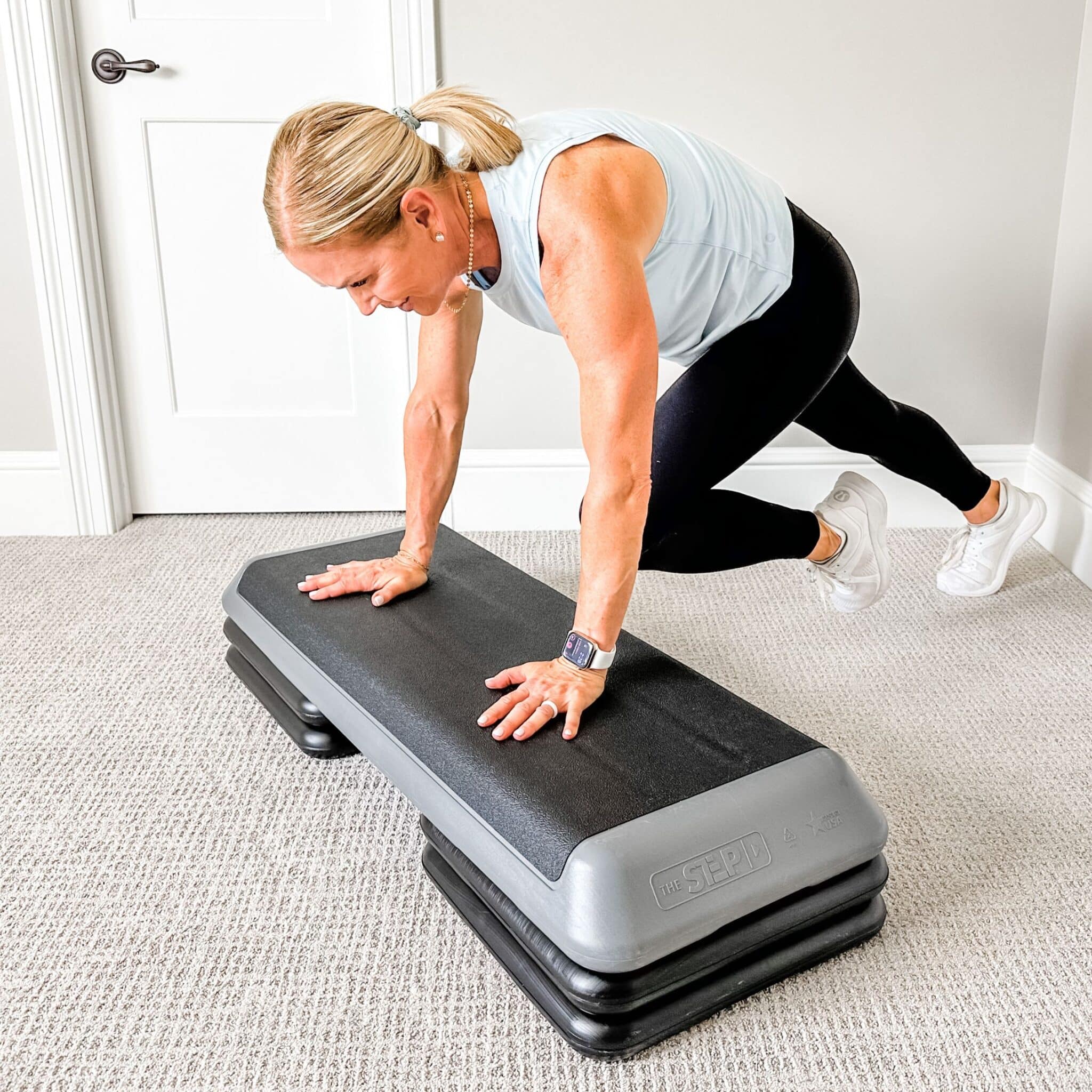
Walking is one of the simplest ways to offset this. Exploring a new city on foot, taking a walk before breakfast or after dinner, or choosing activities that keep you moving all help maintain your activity levels while making the most of your holiday. 
3. Keep strength training in your week
If your holiday lasts a week or more, we often recommend aiming to include two or three full-body strength sessions.
They don’t need to be long or complicated.
The goal doesn’t need to be to set personal bests. It can simply be to provide your muscles with enough stimulus to help maintain strength and lean muscle mass until you return to your normal program [4].
If your hotel has a gym, focus on compound exercises that train the whole body efficiently. If it doesn’t, a short bodyweight session is more than enough to bridge the gap. 
4. Drink alcohol deliberately, not automatically
For many people, alcohol is where holiday calories accumulate most quickly.
The occasional drink isn’t the problem. The habit of drinking every afternoon and every evening throughout the holiday often is.
Alcohol contributes calories without providing fullness and often lowers inhibitions around food choices, making it easier to overeat. It can also disrupt sleep quality, leaving you feeling less recovered and making healthy decisions more difficult the following day [5].
Rather than feeling you need to avoid alcohol completely, decide in advance which occasions matter most. Enjoy those, skip the drinks that don’t add much to the experience, and stay well hydrated throughout the day. 
5. Enjoy the food that’s worth remembering
One of the biggest mistakes people make is treating every meal as a special occasion.
There’s a difference between sharing fresh seafood overlooking the Mediterranean and returning to the buffet for a third plate simply because it’s available.
Enjoy the meals that make the holiday memorable. Taste the local food. Have dessert if it’s genuinely part of the experience.
Then let the ordinary meals remain just that – ordinary.
This simple distinction helps you enjoy your holiday without turning every breakfast, lunch and snack into an unnecessary calorie surplus.

What to do when you get home
How you respond in the first few days after your holiday often has a greater impact on your long-term results than the holiday itself.
Many people return home, step on the scales the following morning and immediately assume they’ve undone weeks or months of hard work. That often leads to one of two extremes. Either they decide they’ve “blown it” and continue eating poorly, or they swing in the opposite direction with aggressive calorie restriction, excessive cardio and unrealistic attempts to make up for lost time.
Neither approach is necessary.
A small increase in body weight immediately after a holiday is completely normal. Restaurant meals are typically higher in carbohydrates, sodium and total food volume than your usual diet, all of which can temporarily increase water retention and glycogen stores [1]. That doesn’t automatically mean you’ve gained a significant amount of body fat.
Instead of reacting emotionally to the scales, focus on returning to the routine that produced your results in the first place.
Resume your normal eating pattern at your very next meal. Get back to your usual training schedule. Prioritise good quality sleep after travelling. Keep your daily activity levels high – hitting 10,000 steps or more. Within a few days, much of the temporary increase in body weight will often settle as hydration, digestion and eating patterns return to normal. You’ll have a clearer picture of where you’re truly at.
Most importantly, avoid trying to “earn back” your holiday.
Skipping meals, doubling training volume or spending hours on the treadmill rarely produces better outcomes. More often, it creates unnecessary fatigue and makes it harder to return to the consistent habits that drive long-term progress.
The fastest way to get back on track isn’t to punish yourself or do any kind of extreme correction. It’s simply to get back to following the habits and routines that delivered progress before you left.

Final thoughts – enjoy your holiday without sacrificing your progress
A successful holiday isn’t necessarily one where every meal is tracked or every workout is completed exactly as planned.
It’s often one where you enjoy the experience, protect the habits that matter most and return home ready to continue building on the progress you’ve already made.
Lasting body transformations are the result of hundreds of good decisions made consistently over time. One week away is unlikely to define the outcome. What matters far more is resisting the temptation to let one week spiral into several weeks or months out of a healthy routine.
Approach your holiday with realistic expectations, maintain the behaviours that have the biggest influence on your body composition, and enjoy the break for what it should be – time to rest, recharge and make memories.
At Ultimate Performance, we don’t expect clients to be perfect every day of the year. We help them build habits that are resilient enough to withstand real life – holidays included. That’s what creates results that last.
Frequently asked questions
Will I gain body fat during a one-week holiday?
Not necessarily. While it’s common to return from holiday weighing more than when you left, much of that increase is often due to higher carbohydrate intake, sodium, food volume and temporary water retention rather than a significant increase in body fat [6]. The longer-term impact depends far more on your overall habits before, during and after your holiday than on a single week away.
Do I need to train every day while I’m on holiday?
No.
For most people, two or three full-body strength training sessions over the course of a week are enough to help maintain muscle and strength while away [4]. Combined with plenty of walking and sensible food choices, this is usually sufficient to protect your progress until you return to your normal program and everyday routine.
Can I enjoy an all-inclusive holiday without gaining weight?
Yes, but it helps to be selective rather than treating every meal as a special occasion.
Prioritising protein, filling most of your plate with minimally processed foods, staying active and enjoying indulgent meals because they’re genuinely part of the experience rather than simply because they’re available makes a significant difference over the course of a week.
Should I weigh myself as soon as I get home?
It’s often better to wait a few days.
Travelling, changes in routine and restaurant food can all temporarily increase body weight through water retention and digestion. Returning to your normal eating and training routine before judging your progress usually gives a more accurate picture.
What’s the single most important thing to do after a holiday?
The best piece of advice we give clients is to try and return to your normal routine as quickly as possible when you arrive home.
The people who maintain their results aren’t those who have the “perfect” holiday. They’re the ones who resume their usual habits with the very next meal rather than waiting until Monday, next week or next month.
References
- Fernández-Elías VE, et al. Muscle Glycogen Assessment and Relationship with Body Hydration Status: A Narrative Review. Nutrients. 2022.
- Hall, K.D. (2008) The dynamics of human body weight change. Available at: https://arxiv.org/abs/0802.3234
- Morton, R.W., Murphy, K.T., McKellar, S.R., Schoenfeld, B.J., Henselmans, M., Helms, E., Aragon, A.A., Devries, M.C., Banfield, L., Krieger, J.W. and Phillips, S.M. (2018) ‘A systematic review, meta-analysis and meta-regression of the effect of protein supplementation on resistance training-induced gains in muscle mass and strength in healthy adults’, British Journal of Sports Medicine, 52(6), pp. 376–384.
- Schoenfeld, B.J., Grgic, J. and Krieger, J.W. (2019) ‘How many times per week should a muscle be trained to maximize muscle hypertrophy? A systematic review and meta-analysis’, Journal of Sports Sciences, 37(11), pp. 1286–1295.
- Traversy, G. and Chaput, J.-P. (2015) ‘Alcohol consumption and obesity: An update’, Current Obesity Reports, 4(1), pp. 122–130.
The post How to enjoy your holiday without losing your transformation results appeared first on Ultimate Performance Blog.
What's Your Reaction?
 Like
0
Like
0
 Dislike
0
Dislike
0
 Agree
0
Agree
0
 Disagree
0
Disagree
0
 Excellent
0
Excellent
0
 Useful
0
Useful
0
 Great
0
Great
0