




























































Laser Genesis vs Green Genesis vs Pico Laser: What’s the Difference?


Laser Genesis vs Green Genesis vs Pico Laser: The Difference Is Not Just the Wavelength
Not all lasers are designed to do the same thing. That is one of the most important concepts to understand when comparing Laser Genesis, Green Genesis, and Pico laser treatments. They may all fall under the broad category of “laser treatments,” but they behave very differently in the skin.
Some lasers are designed to gently heat the dermis and stimulate skin repair. Some are better at targeting redness and superficial vascular changes. Others are built to shatter pigment or tattoo ink into smaller particles so the body can clear them over time.
At SkinScience, we use laser technology strategically, not randomly. The goal is never simply to “do a laser.” The goal is to choose the right wavelength, pulse duration, energy, endpoint, and treatment plan based on what your skin is actually trying to tell us.
This blog explains the differences between Laser Genesis, Green Genesis, and Pico laser 532 nm and 1064 nm, including how they work, what they treat, and when each one makes the most sense.

Laser Genesis, Green Genesis, Pico 532 and Pico 1064 each serve different purposes in aesthetic medicine, from redness and collagen support to pigmentation and tattoo removal.
Quick takeaway:
Laser Genesis is typically best for collagen support, diffuse redness, pores and texture. Green Genesis is more targeted for superficial redness, small vessels and light pigment. Pico 532 is especially useful for lighter tattoo colours and selected superficial pigment, while Pico 1064 is often preferred for black tattoo ink, deeper pigment, and a broader range of skin types.
First, What Is Laser Genesis?
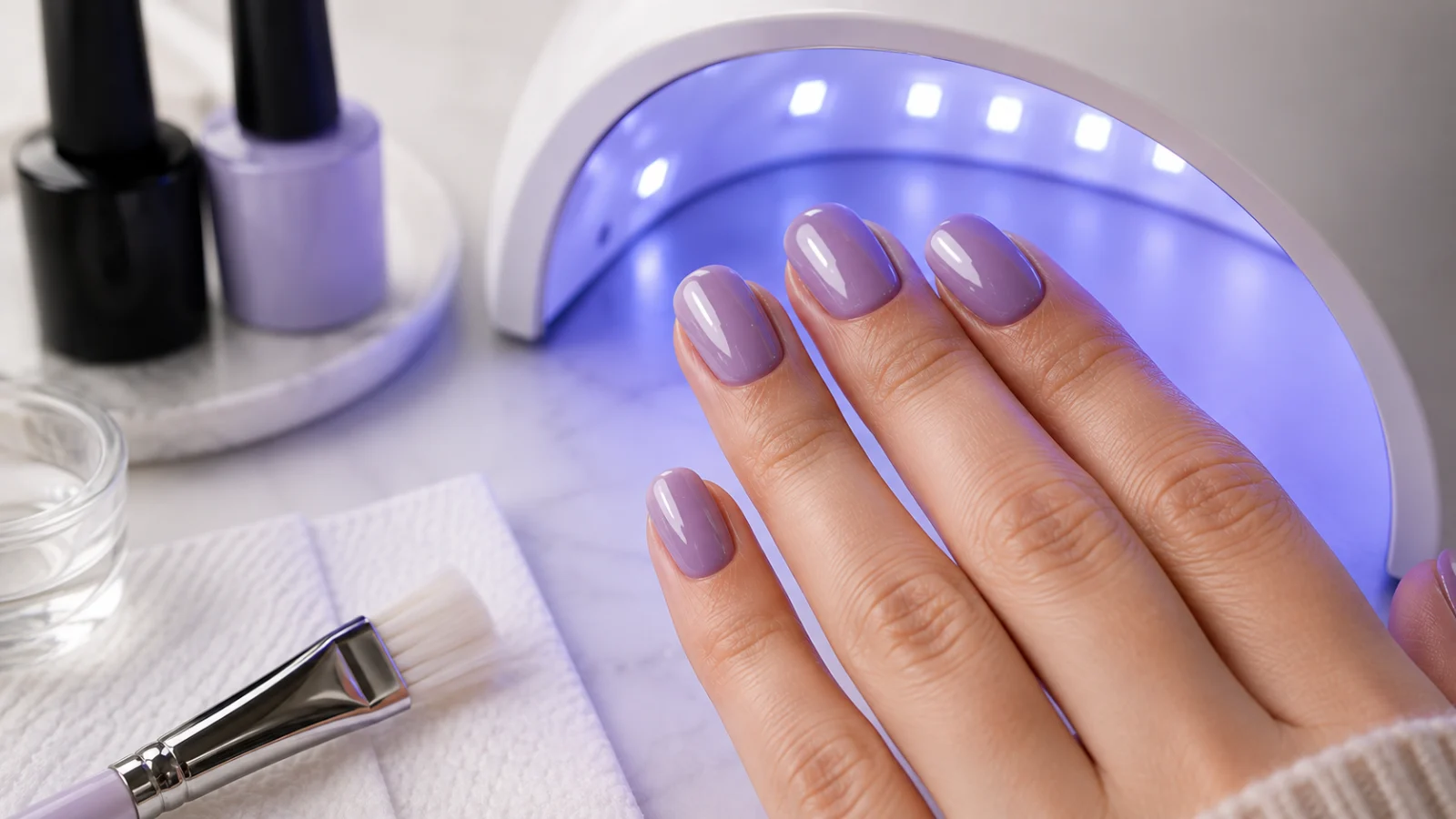
Laser Genesis is a non-ablative laser treatment that uses a 1064 nm Nd:YAG wavelength to gently heat the deeper layers of the skin without removing the surface. Cutera describes Laser Genesis as a 1064 nm Nd:YAG treatment that uses precise dermal heating to support collagen and elastin production, while helping reduce redness, diffuse erythema, rosacea symptoms, uneven tone, fine lines, scars, pores, and overall texture concerns.
Think of Laser Genesis as a skin-conditioning laser.
It does not aggressively peel, wound, or resurface the skin. Instead, it delivers controlled heat into the dermis. This helps support collagen remodeling, improves the look of redness, softens texture irregularities, and gives the skin a healthier, more refined appearance over a series of treatments.
Best Applications for Laser Genesis
Laser Genesis is commonly used for:
- Diffuse redness
- Rosacea-prone skin
- Mild acne scarring
- Enlarged pores
- Fine lines
- Uneven texture
- Dullness
- Mild collagen loss
- Preventative skin rejuvenation
- Maintenance between more intensive treatments
Because 1064 nm penetrates more deeply and is less absorbed by epidermal melanin compared with shorter wavelengths, it is often considered one of the more versatile wavelengths across a wide range of skin types when used appropriately. This is one reason 1064 nm Nd:YAG lasers are frequently discussed in the context of safer treatment options for melanin-rich skin.
What Laser Genesis Feels Like
Laser Genesis usually feels warm, comfortable, and gradual. Many people describe it as a relaxing heat treatment. There is typically no significant downtime, which makes it a popular option before events or as part of a long-term skin health plan.
Laser Genesis is not usually the treatment we choose when we need dramatic pigment removal, tattoo removal, or aggressive resurfacing. Its strength is more subtle but very important: improving the skin environment over time.
It is not a “one-and-done” laser. It is cumulative.
What Is Green Genesis?
Green Genesis is often used to describe a laser treatment using a 532 nm wavelength, commonly associated with a green visible light. In aesthetic medicine, 532 nm energy is more superficial than 1064 nm and is strongly absorbed by targets closer to the skin surface, including certain vascular and pigment concerns.
Where Laser Genesis uses 1064 nm to gently heat deeper tissue, Green Genesis uses 532 nm to focus more superficially.
That makes Green Genesis especially useful when the concern is closer to the surface, such as visible redness, small vessels, sun damage, freckles, and certain types of pigmentation.
Best Applications for Green Genesis
Green Genesis may be used for:
- Facial redness
- Superficial vascular changes
- Broken capillaries
- Sun spots
- Freckles
- Poikiloderma-like changes
- Red and brown discoloration
- Uneven tone caused by superficial chromophores
The key difference is target depth.
A 532 nm wavelength does not penetrate as deeply as 1064 nm. It interacts more with superficial pigment and vascular targets. This can be an advantage when the problem is superficial, but it also means the treatment requires careful skin assessment, especially in more melanated skin tones or recently tanned skin.
Green Genesis vs Laser Genesis
Laser Genesis is the better choice when we want deep dermal heating, collagen support, redness diffusion, pore refinement, and overall skin quality improvement.
Green Genesis is the better choice when we want to target more visible superficial redness, tiny vessels, or surface pigmentation.
One is not “better” than the other. They are different tools.
A helpful way to think about it:
Laser Genesis is like warming and training the skin from within. Green Genesis is like selectively addressing more superficial colour irregularities.
In many patients, the best treatment plan may include both, but not always in the same session and not always for the same reason.
What Is Pico Laser?
A Pico laser is different from Laser Genesis and Green Genesis because the major difference is not only the wavelength. It is the pulse duration.
“Pico” refers to picoseconds, meaning the laser delivers energy in ultra-short pulses. DermNet describes picosecond lasers as devices that use very short pulse durations to target endogenous pigmentation and exogenous tattoo ink particles, with common Nd:YAG wavelengths including 532 nm and 1064 nm.
This matters because pigment and tattoo ink respond differently when hit with extremely short bursts of energy.
Traditional pigment lasers often rely more heavily on heat. Pico technology creates a stronger photoacoustic effect, meaning it can mechanically fragment pigment particles into smaller pieces with less reliance on surrounding thermal injury.
That is why Pico lasers are commonly used for:
- Tattoo removal
- Permanent makeup removal
- Pigmented lesions
- Sun spots
- Certain types of melasma protocols
- Post-inflammatory hyperpigmentation, when appropriate
- Skin rejuvenation with specialized fractional or toning settings
- Acne scars and texture, depending on the handpiece and settings
A systematic review published in 2021 concluded that picosecond lasers are a safe and effective modality for an expanding range of dermatologic indications. Another review on fractional picosecond laser treatment reported positive effects for facial photoaging, enlarged pores, dyspigmentation, wrinkles, and atrophic acne scars.
Pico 1064 nm vs Pico 532 nm: Why the Wavelength Still Matters
Pico lasers can come with different wavelengths. The two most important ones in this comparison are 1064 nm and 532 nm.
Even though both can be delivered in picosecond pulses, they do not treat the same targets in exactly the same way.
Pico 1064 nm
Pico 1064 nm is a deeper-penetrating wavelength. It is commonly used for:
- Black tattoo ink
- Dark blue tattoo ink
- Deeper pigment
- Dermal pigment
- Laser toning protocols
- Certain pigmentation concerns in darker skin types, with appropriate settings
- Skin rejuvenation and texture protocols
Because 1064 nm is less absorbed by epidermal melanin than 532 nm, it is often the preferred starting wavelength when safety in melanin-rich skin is a key consideration. It also tends to be the go-to wavelength for black tattoo ink.
In tattoo removal research, 1064 nm picosecond lasers have shown strong results for black tattoo pigment. One comparative study found 1064 nm picosecond treatment was most effective for black tattoos, while 532 nm was more effective for several brighter colours.
Pico 532 nm
Pico 532 nm is more superficial and is commonly used for:
- Red tattoo ink
- Orange tattoo ink
- Yellow tattoo ink
- Some superficial brown pigmentation
- Freckles
- Lentigines
- Selected superficial pigment concerns
Because 532 nm is more strongly absorbed by melanin and hemoglobin, it can be very effective, but it also needs more caution in darker skin tones or recently sun-exposed skin.
In multi-colour tattoo removal, wavelength selection is critical. A prospective comparison study of 532 and 1064 nm picosecond lasers reported that 532 nm was especially useful for multi-coloured tattoos, except black ink, where 1064 nm performed better.
This is why tattoo removal should never be approached as “one laser fits all.” Ink colour, depth, density, age, immune response, location, scarring, skin type, and previous removal attempts all matter.
Laser Genesis vs Pico Laser: The Biggest Difference
The biggest difference between Laser Genesis and Pico laser is the treatment objective.
Laser Genesis is primarily a collagen, redness, texture, and skin-quality treatment.
Pico laser is primarily a pigment-fragmenting and ink-fragmenting technology, with additional rejuvenation applications depending on settings and handpieces.
Laser Genesis uses heat in a controlled, gentle way.
Pico uses ultra-short pulses to create a rapid photoacoustic effect.
Laser Genesis is often chosen when the skin needs gradual strengthening, calming, refinement, and maintenance.
Pico is often chosen when something needs to be broken apart, such as tattoo ink or unwanted pigment.
Both can improve the appearance of the skin, but they get there through different biological pathways.
Green Genesis vs Pico 532 nm: Same Wavelength, Different Behaviour
This is where patients often get confused.
Green Genesis and Pico 532 nm may both involve a 532 nm wavelength, but they are not automatically the same treatment.
Why?
Because pulse duration changes the biological effect.
A 532 nm Green Genesis-style treatment may be used to gently treat superficial redness or pigment with a vascular or photothermal approach.
A Pico 532 nm treatment delivers energy in ultra-short picosecond pulses, making it more appropriate for shattering certain pigment particles or tattoo ink colours.
Same wavelength, different pulse duration, different endpoint, different clinical strategy.
That is why asking “Do you have a 532 laser?” is not enough.
The better question is:
What type of 532 nm energy are we using, for what target, at what depth, with what pulse duration, and what endpoint are we trying to create?
That is where expertise matters.
Which Laser Is Best for Redness?
For redness, the answer depends on the type of redness.
If the redness is diffuse, inflammatory, rosacea-prone, or related to overall skin reactivity, Laser Genesis 1064 nm may be a beautiful option because it gently heats the dermis and supports vascular and collagen remodeling over time.
If the redness is more superficial, visible, or related to tiny vessels, Green Genesis 532 nm may be more targeted.
In some patients, both approaches may be useful at different stages of the treatment plan.
For example, we may calm and strengthen the skin with Laser Genesis, then address more visible superficial vessels or red-brown discoloration with a 532 nm approach.
Which Laser Is Best for Pigmentation?
Pigmentation is not one diagnosis.
Brown spots, freckles, melasma, post-inflammatory hyperpigmentation, sun damage, and tattoo pigment are all different.
For superficial sun spots or freckles, 532 nm energy may be useful for Fitzpatricks 1, 2 and 3.
For deeper pigment, and pigment in melanin-rich skin, or more conservative pigment protocols, 1064 nm Pico may be considered.
For tattoo ink, Pico is usually the more appropriate category, with:
- 1064 nm for black and dark ink
- 532 nm for red, orange, yellow, and some superficial pigment (Fitz 1,2,3 only)
- Other wavelengths sometimes needed for blue, green, and resistant colours, depending on the device
The most important part is diagnosis. Treating melasma like a sun spot, or post-inflammatory pigmentation like a tattoo, can create problems.
Pigment needs precision.
Which Laser Is Best for Tattoo Removal?
For tattoo removal, Pico laser is typically the most relevant of the three categories discussed here.
Laser Genesis is NOT a tattoo removal treatment.
Green Genesis is NOT the primary strategy for professional tattoo removal.
Pico laser, especially with 1064 nm and 532 nm wavelengths, is designed to fragment ink particles so the immune and lymphatic systems can gradually clear them. Clinical literature supports picosecond lasers as effective for tattoos and benign pigment, often with the potential for fewer sessions compared with older nanosecond systems in selected cases.
That said, tattoo removal is never instant.
The laser does not “erase” the ink in one session. It breaks the ink into smaller fragments. Your body then does the slow biological work of clearing those fragments between treatments.
That is why spacing, aftercare, inflammation control, lymphatic support, and realistic expectations matter.
Which Laser Is Best for Collagen and Skin Texture?
For collagen and texture, Laser Genesis is often one of the most elegant no-downtime options.
It is a great choice for patients who want gradual improvement in:
- Pores
- Glow
- Texture
- Mild scarring
- Fine lines
- Redness
- Overall skin quality
Pico laser can also improve texture, especially when used with fractional or rejuvenation settings. Studies have reported benefits of fractional picosecond lasers for photoaging, pores, wrinkles, dyspigmentation, and atrophic acne scars.
The difference is that Laser Genesis is usually gentler and more heat-based, while Pico rejuvenation is more photoacoustic and often more focused on pigment, texture, or collagen stimulation through a different mechanism.
Can These Lasers Be Combined?
Yes, but intelligently.
At SkinScience, we do not believe in throwing every technology at the skin at once. Skin has a threshold. The goal is to create the right stimulus, then allow the skin to repair, remodel, and respond.
Depending on your skin, we may create a plan that includes:
- Laser Genesis for redness, collagen, pores, and skin quality
- Green Genesis for superficial redness or surface pigment
- Pico 1064 nm for deeper pigment, black ink, or toning protocols
- Pico 532 nm for red/orange tattoo ink or selected superficial pigment
- Medical-grade skincare to support barrier repair, pigment regulation, and inflammation control
- SPF and antioxidants to protect results
- Treatment spacing that respects skin biology
The best results usually come from sequencing, not rushing.
The SkinScience Approach: It’s Not About the Laser, It’s About the Strategy
The most common mistake people make is choosing a laser based on a trend.
They hear that Pico is “the best,” or Laser Genesis gives a “glow,” or 532 nm removes pigment, and they assume that is automatically what they need.
But skin does not work that way.
The best laser depends on:
- Your skin type
- Your pigment pattern
- Your redness pattern
- Your history of inflammation
- Your tendency to hyperpigment
- Your treatment goals
- Your tolerance for downtime
- Your current barrier function
- Your medications and sun exposure
- Whether we are treating skin quality, pigment, redness, scars, or tattoo ink
Laser Genesis, Green Genesis, and Pico laser are not competitors. They are different instruments.
One warms. One targets superficial colour. One fragments pigment and ink.
The art is knowing when to use each one, when not to use it, and how to build a treatment plan that respects your skin’s biology.
Frequently Asked Questions
Is Laser Genesis the same as Pico laser?
No. Laser Genesis is a non-ablative 1064 nm Nd:YAG treatment that gently heats the dermis to support collagen, redness reduction, texture improvement, and skin rejuvenation. Pico laser uses ultra-short picosecond pulses to fragment pigment or tattoo ink and may also be used for certain rejuvenation protocols.
Is Green Genesis the same as Pico 532?
No. They may both involve a 532 nm wavelength, but they are not the same if the pulse duration, settings, and treatment endpoint are different. Pico 532 nm is usually used for pigment or tattoo ink fragmentation, while Green Genesis-style 532 nm treatments are often used for superficial redness, vascular changes, and surface discoloration.
Which is better for rosacea, Laser Genesis or Pico?
Laser Genesis is usually more relevant for diffuse redness and rosacea-prone skin. Pico is not typically the first choice for classic rosacea redness, although it may be used for pigment or texture concerns in the same patient.
Which is better for tattoo removal?
Pico laser is the most relevant option for tattoo removal. Pico 1064 nm is commonly used for black and dark ink, while Pico 532 nm is often used for red, orange, yellow, and some brighter pigments.
Which laser has the least downtime?
Laser Genesis typically has minimal to no downtime. Green Genesis and Pico laser downtime vary depending on the settings, target, skin type, and treatment goal.
How do I know which laser I need?
The best way is through a professional skin assessment. The right laser depends on whether we are treating redness, pigment, texture, pores, collagen loss, scars, or tattoo ink. At SkinScience, we build laser plans based on diagnosis, skin biology, and long-term skin health, not trends.
Final Takeaway
Laser Genesis, Green Genesis, and Pico laser are not interchangeable.
Laser Genesis 1064 nm is best thought of as a collagen, redness, pore, texture, and skin-quality treatment.
Green Genesis 532 nm is more focused on superficial redness, tiny vessels, and surface pigment.
Pico 1064 and 532 nm are pigment and ink-fragmenting technologies, especially useful for tattoo removal and selected pigmentation concerns.
The best treatment is not the one with the most hype. It is the one that matches the target, the depth, the skin type, and the biology of what we are trying to improve.
At SkinScience, that is always the starting point.
About the Author
Marie Bertrand is a microbiologist, skin care expert, and founder of SkinScience, a medical aesthetics clinic in Calgary, Alberta, known for its science-based approach to skin health, laser rejuvenation, pigmentation, acne, rosacea, tattoo removal, and age management.
With decades of experience in cosmetic science, professional skin care, and advanced aesthetic technologies, Marie bridges the gap between clinical treatments and skin biology. Her work focuses on helping patients understand not just what treatment they are receiving, but why it is being used, how it works inside the skin, and how to support better long-term outcomes.
Marie is also the founder of Aliquote Skin, a Canadian skin care brand developed around barrier support, inflammation control, antioxidant protection, collagen support, and skin longevity. Through SkinScience, Aliquote Skin, educational content, and her signature skin-health frameworks, Marie is committed to raising the standard of evidence-informed skin care and helping patients make confident, personalized decisions about their skin.

#image_title
References
- Cutera. Laser Genesis Patient Treatment Information. Cutera describes Laser Genesis as a 1064 nm Nd:YAG treatment used for skin revitalization, redness, texture, pores, scars, fine lines, and collagen support. https://cutera.com/us-en/patient/treatments/laser-genesis/
- Cutera. excel V+ Platform Information. Manufacturer information on vascular, pigmentary, and skin revitalization applications using the excel V+ platform. https://cutera.com/us-en/
- DermNet NZ. Picosecond Laser. Overview of picosecond laser technology, including use for endogenous pigmentation and exogenous tattoo ink particles, with Nd:YAG wavelengths of 532 nm and 1064 nm. https://dermnetnz.org/topics/picosecond-laser
- DermNet NZ. Tattoo-Associated Skin Reactions. Includes general information on tattoo removal, laser selection by pigment colour, number of treatments, and treatment spacing. https://dermnetnz.org/topics/tattoo-associated-skin-reactions
- Wu DC, Goldman MP, Wat H, Chan HHL. A Systematic Review of Picosecond Laser in Dermatology. Lasers in Surgery and Medicine. 2021;53(1):9–49. https://pubmed.ncbi.nlm.nih.gov/32282094/
- Zhou Y, Zhang L, Xu Y, et al. An Update on Fractional Picosecond Laser Treatment. Clinical, Cosmetic and Investigational Dermatology. 2023;16:63–75. https://pmc.ncbi.nlm.nih.gov/articles/PMC9852188/
- Kasai K. Picosecond Laser Treatment for Tattoos and Benign Cutaneous Pigmented Lesions. Laser Therapy.2017;26(4):274–281. https://pmc.ncbi.nlm.nih.gov/articles/PMC5801452/
- Kono T, Chan HHL, Groff WF, et al. Prospective Comparison Study of 532/1064 nm Picosecond Laser vs 755 nm Picosecond Laser for Multicolour Tattoo Removal. Lasers in Surgery and Medicine / related open-access publication. 2020. https://pmc.ncbi.nlm.nih.gov/articles/PMC7447827/
- Allure. Why Black Women Are Choosing Laser Genesis as Their Skin Treatment of Choice. Includes dermatologist commentary on 1064 nm Nd:YAG Laser Genesis, melanin-rich skin, dermal targeting, collagen support, and minimal downtime. https://www.allure.com/story/laser-genesis-treatment
What's Your Reaction?
 Like
0
Like
0
 Dislike
0
Dislike
0
 Agree
0
Agree
0
 Disagree
0
Disagree
0
 Excellent
0
Excellent
0
 Useful
0
Useful
0
 Great
0
Great
0