
































Avian flu reaches all continents: Australia confirms second H5N1 case in wildlife
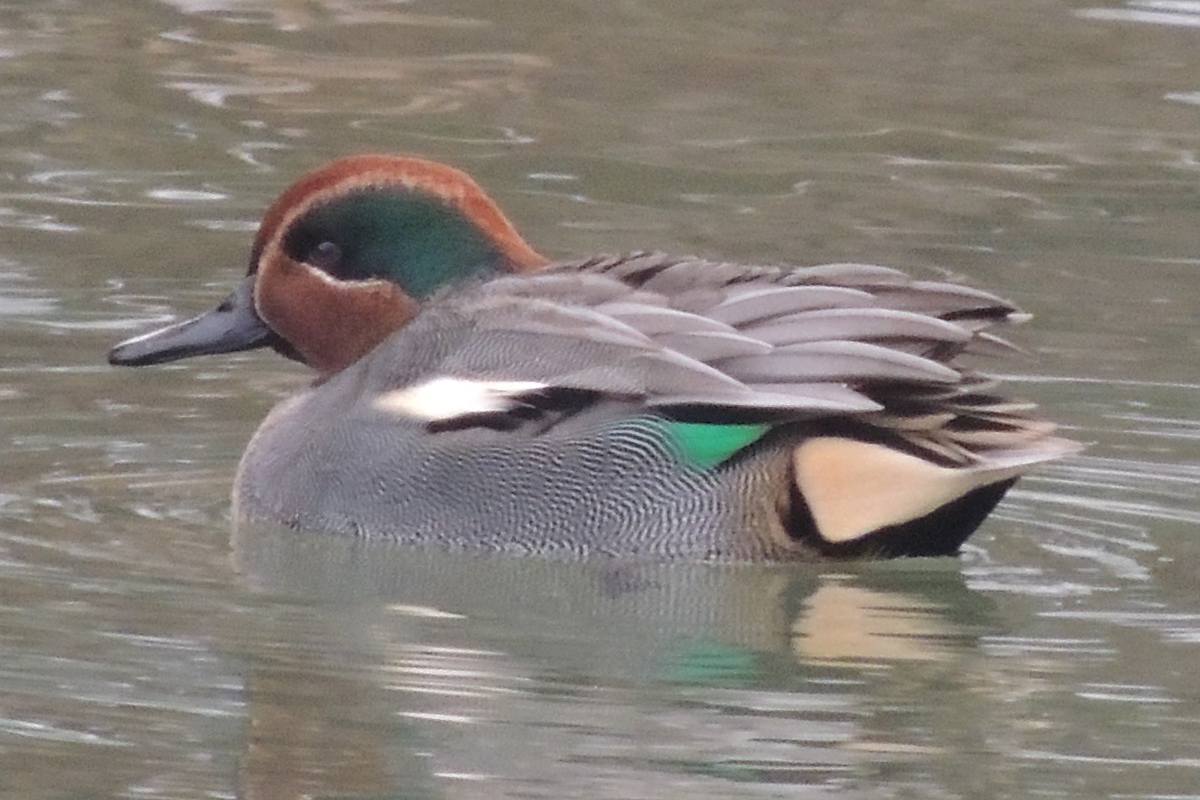
Avian influenza H5N1 has officially completed its global spread. Australia, until two days ago the only continent still free from the virus on mainland soil, has confirmed two cases of highly pathogenic avian flu in Western Australia, marking a historic moment for global animal health.
First and second case: the timeline
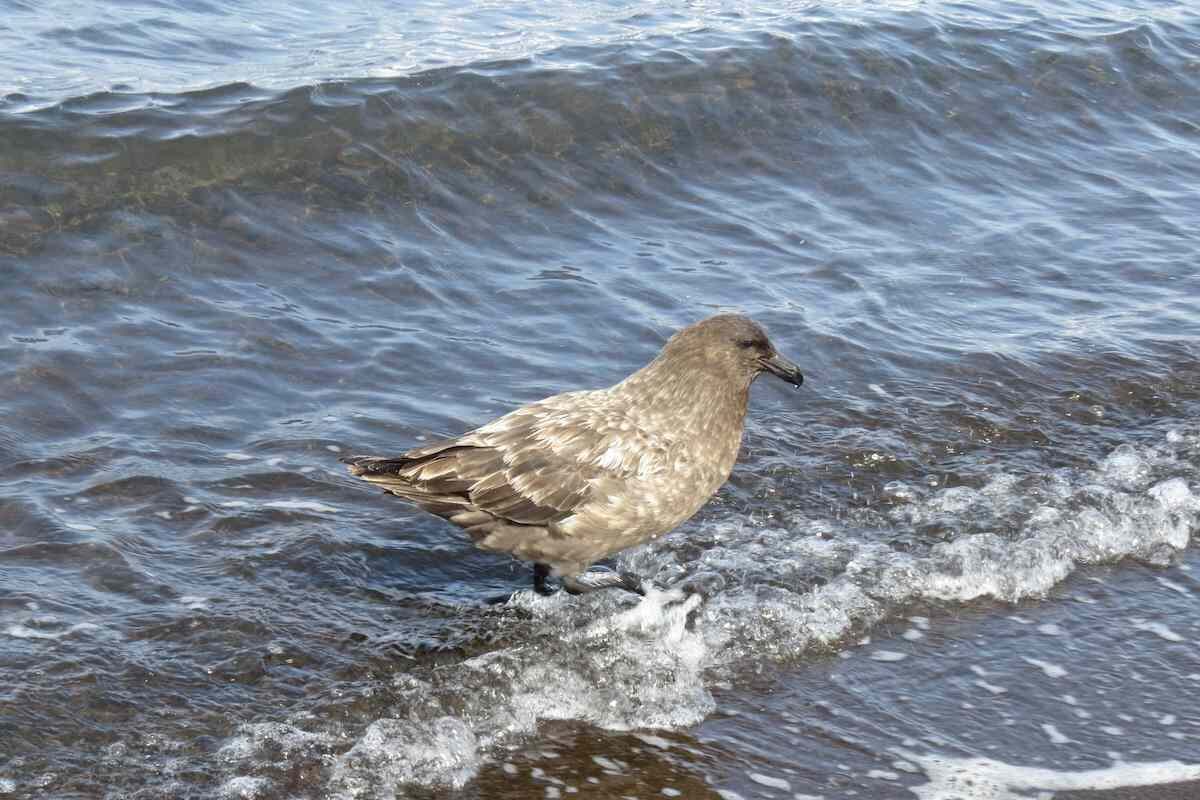
The first case was confirmed on June 20, 2026, in a brown skua found sick in Cape Le Grand National Park, 700 km from Perth. The second case, confirmed on June 22, involves a northern giant petrel found on an isolated beach near Esperance, 570 km from Perth.
The two birds are marine migrants found sick on isolated beaches along the southern coast of Western Australia. Analyses conducted by CSIRO (the Australian national scientific organization) confirmed both as positive for the H5N1 variant.
Historical significance
“For the first time in many years, Australia has reported HPAI [highly pathogenic avian influenza] cases on the continent,” confirmed the EFSA, emphasizing that until this year Australia was the only continent without a confirmed case on mainland soil. The virus had only been detected at the end of 2025 on Heard Island, an Australian subantarctic territory located approximately 4,100 km from mainland.
The arrival of H5N1 in Australia confirms that the virus has reached all continents, including those previously considered “natural barriers” against global spread.
Immediate biosecurity measures
Agriculture Minister Julie Collins announced an aggressive preventive approach with a more $100 million plan to prevent an outbreak in farms. Measures include strengthened biosecurity in poultry farms, increased testing on shorebirds (coastal migrants), vaccination of vulnerable species, and outbreak response simulations.
“We are working very closely with the chicken, meat and egg systems and industries to do everything possible to improve biosecurity and prevent entry into production systems,” Collins declared.
The Australian poultry sector remains virus-free
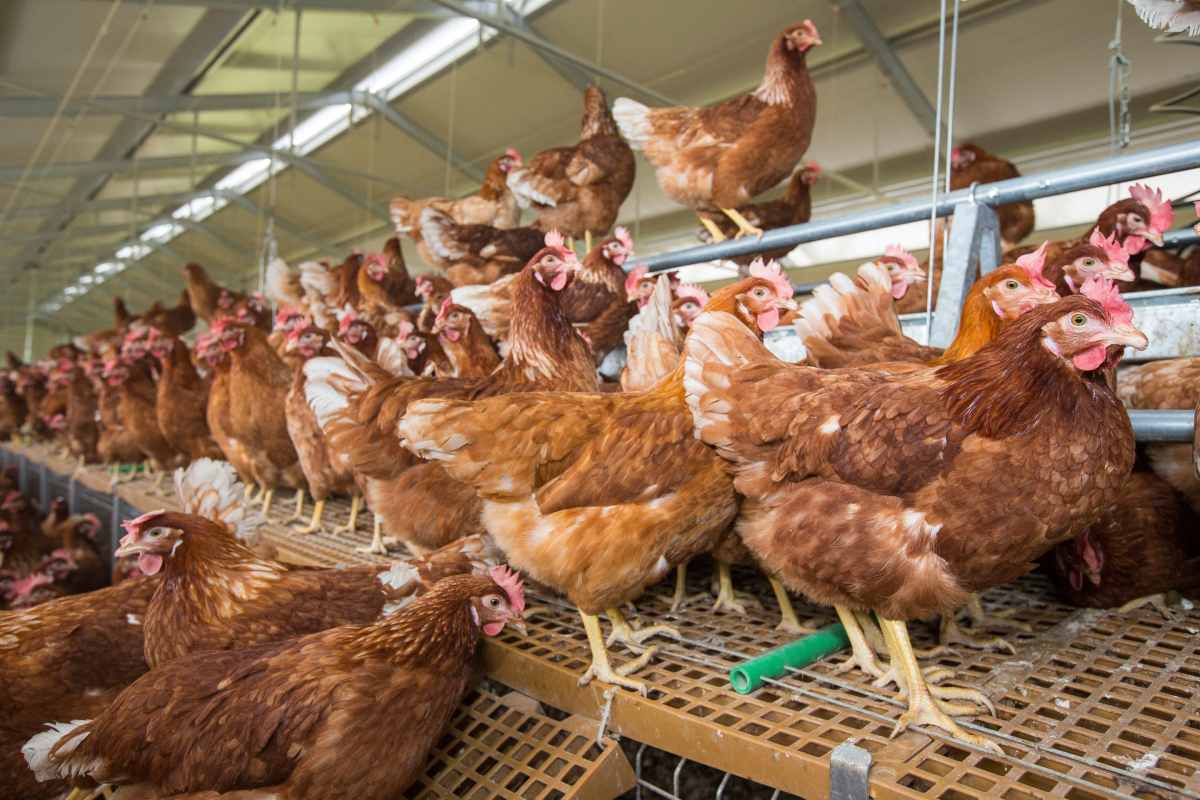
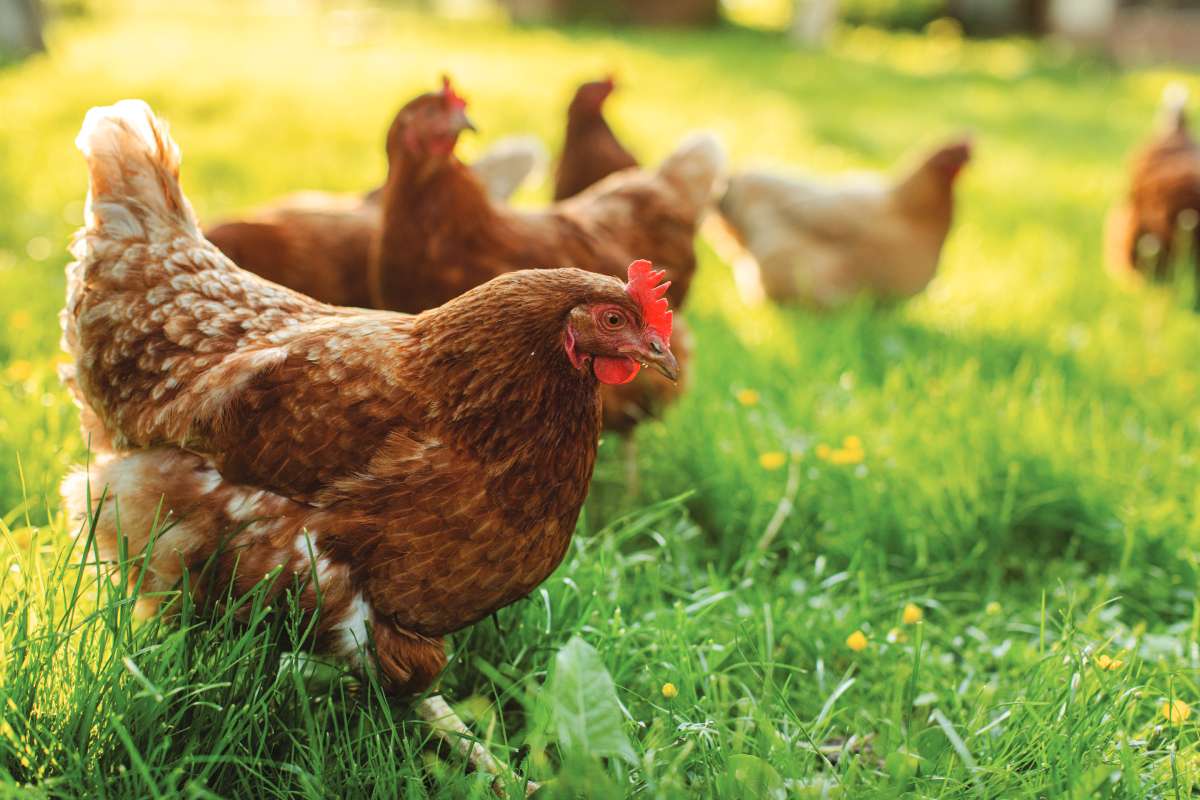
Despite the two confirmed cases, the situation in the agricultural sector is still under control. There are no cases in commercial poultry farms, no widespread mortality of wild animals in the area, and the Australian agricultural and poultry system remains free from the virus
Human risk: still low
Human infections remain rare, according to Julie Collins. The WHO reiterated that the risk to the general population remains “low” at present, although global alert grows with each new case. A human case of H5N1 had already been reported in Victoria state, Australia, but the risk remains controlled.
What this means for the global poultry sector
The arrival of H5N1 in Australia represents an important alarm signal for the global poultry industry, not only for wildlife. The H5N1 strain has spread across the world since 2020, causing the death of millions of birds and other animals.
For Italy and Europe, where avian flu has already caused significant outbreaks in recent years, the Australian situation confirms the need to maintain high surveillance and rigorous biosecurity measures, especially in view of the next influenza season.
Next developments: Australia will focus enhanced surveillance on the country’s southern coast, specifically monitoring the movements of the two species of migratory seabirds that tested positive. The confirmation of the second case does not yet indicate an outbreak in farms, but represents a critical point in the history of global H5N1 spread.
Apa Reaksi Anda?
 Suka
0
Suka
0
 Kurang Suka
0
Kurang Suka
0
 Setuju
0
Setuju
0
 Tidak Setuju
0
Tidak Setuju
0
 Bagus
0
Bagus
0
 Berguna
0
Berguna
0
 Hebat
0
Hebat
0