




























Enhancement of Aquaculture Performance of Cobia, Rachycentron canadum (Linnaeus 1766): A Review
*By Aquaculture Magazine Editorial Team
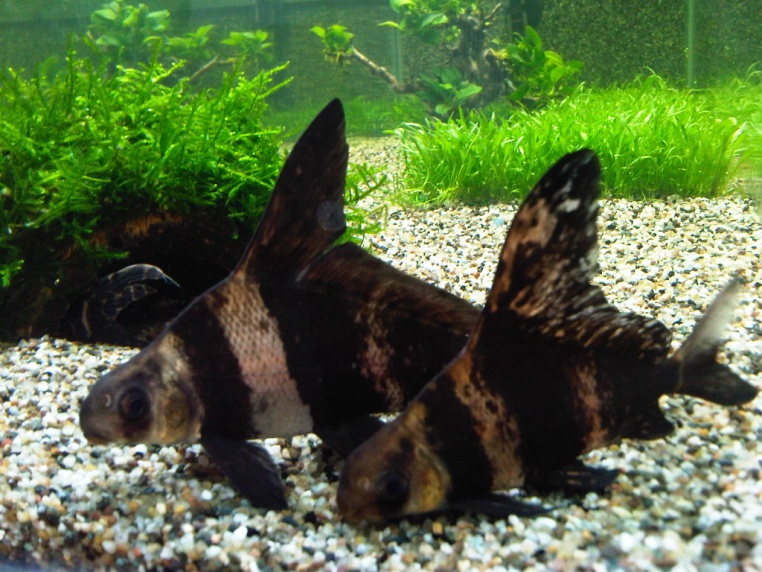
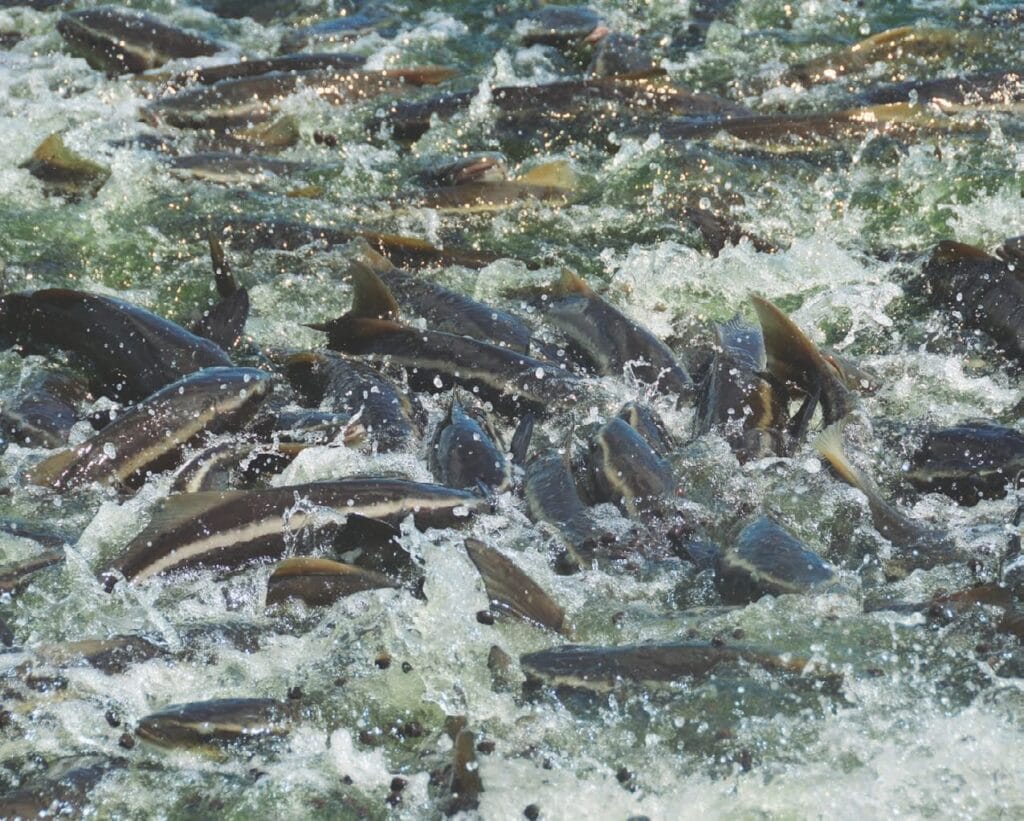
Cobia (Rachycentron canadum) is a promising species for aquaculture, distributed in subtropical and tropical waters, yet primarily caught through recreational fishing. Notable landings occur in countries like Pakistan, Iran, Malaysia, and Brazil.
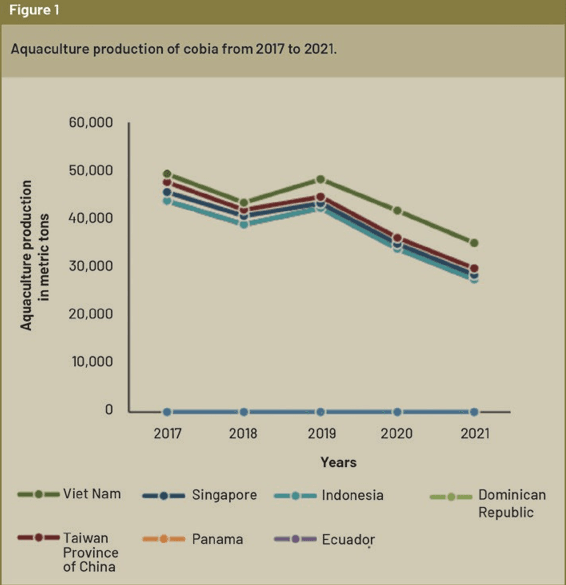
Cobia’s feeding habits are less understood for juveniles, though they are believed to consume copepods. This species exhibits traits favorable for mariculture, including rapid growth (up to 6 kg in a year), high fecundity, and a favorable feed conversion ratio (FCR). Initial culture attempts showed promising results, leading to an expansion of cobia aquaculture from 1995 to 2012 (Figure 1). However, production has since fluctuated, with challenges such as inconsistent fingerling production, larval survival rates, seasonal mortalities, and disease outbreaks hindering growth. Additionally, the adoption of alternative plant-based proteins in adult diets poses challenges. This review addresses these issues and proposes solutions to enhance cobia aquaculture performance for commercial viability.
Broodstock Selection and Improvements
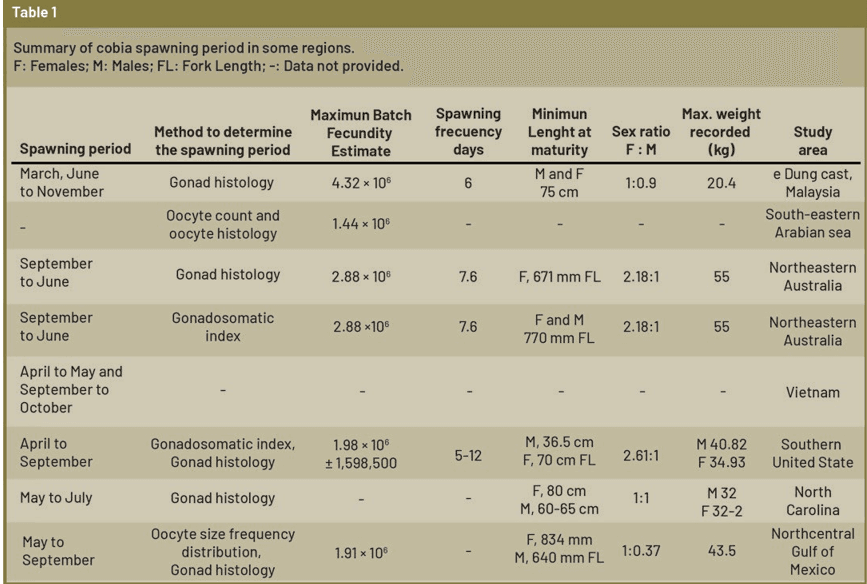
Cobia broodstock for aquaculture has traditionally been sourced from wild populations, making it essential to assess natural growth rates for effective selection. Growth rates vary geographically, influencing sex ratios and maturation, which are critical for optimizing fertilized egg production (Table 1). For instance, growth rates (K) differ, with values reported as low as 0.37 in North Carolina and 0.63 in Australia. Genetic studies have identified differences among populations, such as those in the Northern Gulf of Mexico and Taiwan, highlighting the importance of careful broodstock transfer. Cobia populations in regions like the Gulf of Thailand show homogeneity, attributed to mixing and migration, suggesting regional management strategies are vital.
While genetics can enhance broodstock through trait selection — such as growth, disease resistance, and cold tolerance — these methods remain underutilized in cobia aquaculture. Lessons from Nile tilapia breeding demonstrate the potential for significant growth improvements through selective breeding and genetic analysis. Future broodstock development could benefit from selecting for traits like cold tolerance, especially as reduced temperatures hinder cobia growth. Utilizing genetic markers linked to desirable traits could lead to better adaptation and performance in aquaculture settings.
Cobia is a highly promising mariculture species thriving in subtropical and tropical waters. It exhibits rapid growth potential of up to G kg in a single year, high fecundity, and favorable feed conversion ratios
Production of Cobia Seed
Cobia exhibits extended batch spawning, with peak seasons varying by location. Reports indicate spawning intervals of 5 to 12 days, influenced by factors like temperature and habitat productivity. Understanding these conditions can enhance spawning optimization in captivity. Induced spawning methods have been explored, showing promising results. For instance, using photoperiods of 13:11 or 14:10 and maintaining temperatures between 24.5 to 28.5°C led to significant spawning activity, with hatch rates reaching 83%. Continuous spawning for up to nine months was achieved in recirculating aquaculture systems (RAS) at temperatures of 20 to 26°C.
Additionally, environmental manipulation has allowed for year-round natural spawning. Hormonal induction using human chorionic gonadotropin (hCG) has been effective, producing over 2 million eggs per female with high fertilization rates. Research indicates spawning occurs approximately 39 to 42 hours post-hormone administration. Luteinizing hormone (LH-RHa) has also been utilized successfully, yielding comparable fecundity to natural methods. Optimizing hormone dosages is essential for maximizing hatch rates. Combining hormonal and environmental methods may facilitate consistent seed production, crucial for establishing hatcheries and ensuring a year-round supply of cobia fingerlings.
Cobia (Rachycentron canadum) is a promising aquaculture species, thriving in subtropical and tropical waters with rapid growth potential of up to 6 kg in a year. Despite its advantages, the industry faces challenges like inconsistent fingerling supply, low larval survival rates, and disease outbreaks, along with difficulties integrating alternative plant-based proteins. This review examines key aspects of cobia aquaculture, proposing solutions to enhance efficiency and sustainability for commercial viability.
Rearing and Environment
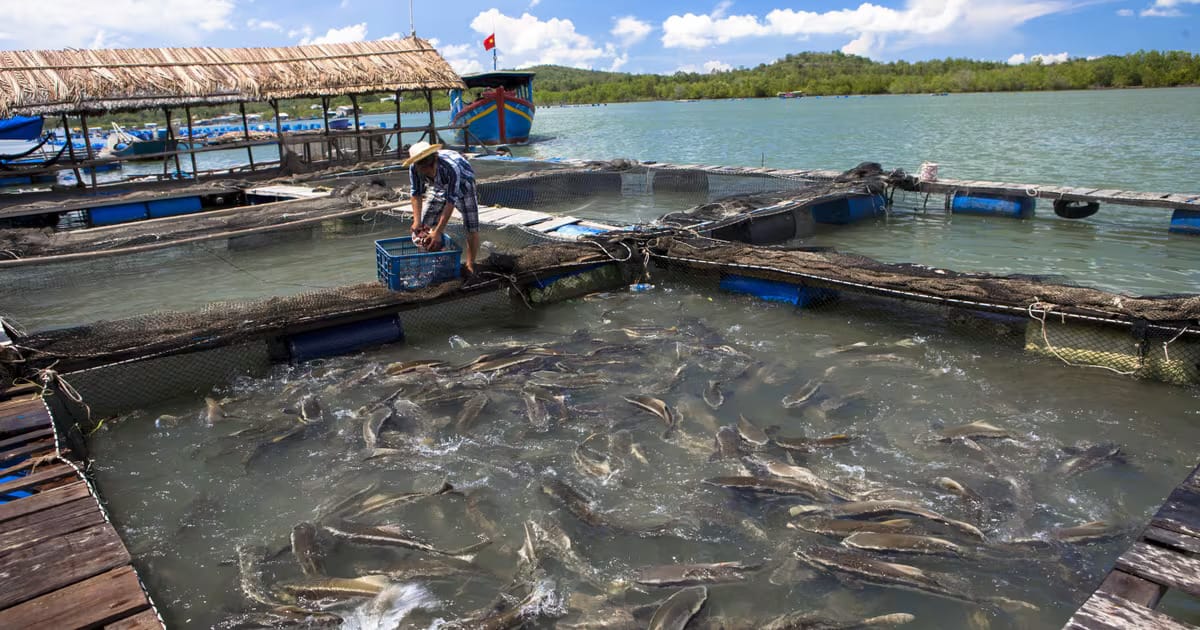
Cobia can be reared in various systems, including ponds, offshore cages, raceways, and RAS, providing flexibility for farmers. In Taiwan, China, and Vietnam, cage culture is predominantly used, where environmental factors like temperature and salinity fluctuate with seasons and weather. However, cobia is susceptible to mass mortality when temperatures drop below 16°C in winter, posing a significant challenge to production. Developing a cold-tolerant strain and utilizing controlled environments like RAS are crucial for overcoming this issue.
Research indicates that RAS is suitable for cobia, with findings showing a negative correlation between stocking density and larval growth. Lower densities resulted in higher survival rates, highlighting the importance of optimal rearing conditions for cost-effective production. A study found that cobia could thrive in RAS up to 2 kg body weight at densities of ≤ 30 kg/ m*, achieving survival rates over 96% and favorable feed conversion efficiencies of 65% to 85.7%. Implementing RAS can mitigate the challenges associated with open sea culture, especially in regions with strict environmental regulations.
Nutrition
Cobia are opportunistic carnivorous feeders, consuming a diverse diet in their natural habitats, including fish, crustaceans, and mollusks. However, there is currently no commercially available broodstock feed tailored for cobia. Studies have shown that dietary composition significantly affects spawning success, with a need for higher levels of n-3 polyunsaturated fatty acids (PUFA) and controlled levels of arachidonic acid (ARA) to optimize egg quality. For larval rearing, cobia larvae initially thrive on rotifers before transitioning to Artemia, with research indicating that copepods can enhance growth due to their higher concentrations of beneficial fatty acids.
As cobia reach the juvenile stage, dietary protein requirements increase, with optimal levels around 45%. Traditional feeds often utilize fishmeal as the primary protein source, but alternatives are being explored due to rising costs and sustainability concerns. Studies indicate that cobia can utilize various plant and animal protein sources without negatively impacting growth, with specific amino acids like taurine necessary for optimal performance. Replacements such as poultry by-product meal have also shown potential for up to 60% substitution without adverse effects. Overall, optimizing nutrition through tailored feeds and alternative protein sources is vital for sustainable cobia aquaculture.
Cobia broodstock development benefits from selective breeding targeting key traits like disease resistance and cold tolerance. Utilizing genetic markers improves environmental adaptation, preventing mass winter mortalities when temperatures drop below 1G°C.
Feed Utilization in Low Salinity Conditions
Cobia culture has been successfully conducted in ponds using seawater, but research shows varying responses to low salinity levels. Atwood et al. (2004) found that juvenile cobia experienced high mortality rates as salinity decreased to 2 g/l, while Denson et al. reported significantly reduced growth rates at 15 ppt and poor health at 5 ppt. Conversely, Resley et al. (2006) noted that cobia in 5 ppt showed comparable or improved growth compared to those in higher salinities, likely due to a high-protein diet (53% crude protein) fed to satiation.
This suggests that the nutritional composition and feeding regimes play critical roles in cobia’s adaptability to low salinity. Holt et al. (2007) indicated that cobia could be reared successfully at salinities as low as 15 g/L with appropriate supplemental feeds. Understanding optimal diet composition and feeding intensity in lower salinities will be crucial for the future of cobia pond culture, which can also benefit from natural food sources available in the environment.
Nutritional composition and high-protein feeding regimes play critical roles in cobia’s adaptability to low salinity. Understanding optimal diet formulation enables successful pond rearing in salinities aslow as 15 g/L
Conclusion
As cobia farming develops worldwide through mariculture and other technologies, the diverse bottlenecks in cobia aquaculture have to be overcome. The use of genetic markers for trait selection like disease resistance, survival ability, and food utilization efficiency will be essential interventions for the improvement of cobia culture. An ability to utilize a wide range of plant and animal protein as food demonstrated by cobia signifies its promising future. Hence optimizing its inclusion with the required amino acid supplement is recommended for cost-effective production. Further understanding of larvae diet, especially for the fatty acid requirement, can be utilized to supplement life feed such that it reaches an optimal level required by cobia larvae. For the sustainability of the cobia aquaculture industry, improvements in the management of feeding strategies and a detailed understanding of the physiological basis of feed utilization in a low-salinity environment are crucial.
This is a summarized version developed by the editorial team of Aquaculture Magazine based on the review article titled “ENHANCEMENT OF AQUACULTURE PERFORMANCE OF COBIA, RACHYCENTRON CANADUM (LINNAEUS 1766): A REVIEW” developed by: Babatunde Taofi k Ademola – Department of Biology, Umaru Musa Ya’radua University, Nigeria. The original article, including tables and figures, was published on MARCH, 2024, through INTERNATIONAL JOURNAL OF AQUACULTURE AND FISHERIES SCIENCIES. The full version can be accessed online through this link: https://www.agriscigroup.us/articles/IJAFS-10-190.php
Apa Reaksi Anda?
 Suka
0
Suka
0
 Kurang Suka
0
Kurang Suka
0
 Setuju
0
Setuju
0
 Tidak Setuju
0
Tidak Setuju
0
 Bagus
0
Bagus
0
 Berguna
0
Berguna
0
 Hebat
0
Hebat
0