























Fast-tracking aquaculture’s next generation
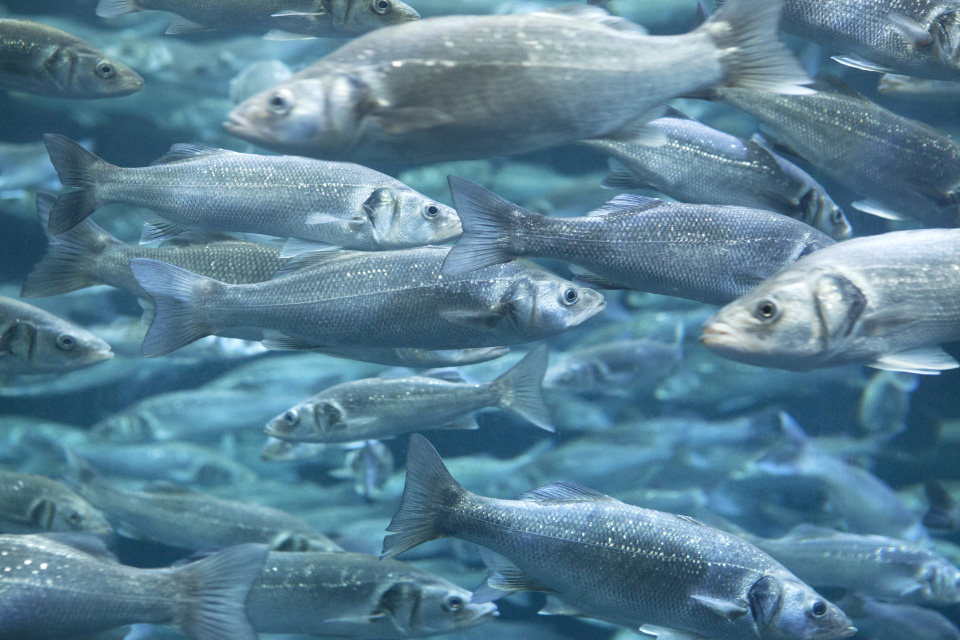
Selective breeding has transformed Mediterranean fish farming, delivering measurable genetic gains across commercially important species. Now, the aquaculture industry is exploring new tools that could help the next wave of progress arrive faster.
Aquaculture doesn’t have the luxury of time. Markets change. Diseases appear. Climate challenges grow. Yet while breeding programs can deliver progress with every generation, achieving substantial and cumulative genetic gains often requires a long-term commitment measured over multiple generations. For some species with longer breeding cycles, that process still operates on a timeline of 10 years or more.
Selective breeding has already proven what’s possible when the industry commits for the long haul. In the Mediterranean, a long-running, family-based commercial breeding program for gilthead seabream recently reported a nearly 70% increase in harvest weight over two decades while reducing the time needed to reach market size. The study offers more than a success story. It underscores what selective breeding can achieve – and the sustained commitment required to deliver those gains.
Genomic tools, such as SNP genotyping, have already helped accelerate breeding programs. By examining small differences in an animal’s DNA, breeders can estimate its genetic potential more accurately and make selection decisions earlier in life. Yet even with these advances, each generation must still be produced, reared, measured and assessed before the best animals are selected as parents for the next generation. Progress, therefore, continues to rely on sustained investment in data collection, genetic evaluation, and long-term breeding objectives.
Meanwhile, diseases, regulations and markets can change faster than breeding programs can respond. The question now is whether tools such as genome editing could accelerate genetic gains further without replacing the foundations built by selective breeding.
Increasingly, scientists and breeders believe genome editing will become part of the answer. Unlike selective breeding, which takes years to pass desirable traits from one generation to the next, genome editing allows breeders to make precise, targeted changes once the genetic basis of an important trait has been identified. Those improvements can then be incorporated into ongoing selective breeding programs, potentially shortening the time needed to achieve meaningful genetic gains.
Solving industry problems
Scientists have already used genome editing to address a range of practical challenges. Non-browning mushrooms could help extend shelf life and reduce food waste, while grape varieties have been edited to resist powdery mildew, reducing reliance on chemical fungicides. In wheat, larger grains could help improve crop yields. Genome editing makes precise changes to an organism’s own DNA without introducing genetic material from another species. In other words, scientists are editing what is already there rather than inserting genes from another species – the approach most people associate with GMOs.
The technology is also being used to address costly animal-health challenges. Scientists have developed pigs that can resist PRRS (Porcine Reproductive and Respiratory Syndrome), a disease estimated to cost North American producers between US$1.2 billion and US$1.4 billion annually in lost production. Other projects are exploring genetic traits that could improve animal welfare and productivity. Together, these developments show how genome editing could help producers raise healthier animals more efficiently and sustainably.
Aquaculture is also beginning to move genome editing from research laboratories into commercial breeding programs. In Brazil, commercial breeding programs are already integrating genome editing into tilapia improvement. In Norway, researchers are investigating whether the technology could one day help Atlantic salmon resist sea lice – a parasite estimated to cost the industry up to US$1.50 per kilogram of farmed salmon in treatment costs and lost performance.
These examples reflect an expanding range of approaches designed to accelerate genetic gains and address emerging challenges. Rather than replacing selective breeding, genome editing is emerging as the next step in genetic improvement, giving breeders another tool for tackling challenges that conventional breeding alone may struggle to solve.
Rules are evolving
The regulatory landscape is evolving as well. In June, the European Parliament backed a new approach to regulating gene-edited crops, differentiating them from traditional GMOs by placing greater emphasis on the characteristics of the final product than on how the plant was developed.
Although the legislation applies only to crops, many in the aquaculture industry see it as an encouraging signal that similar regulatory thinking could eventually extend to other food production sectors, including livestock and aquaculture. The move brings the EU closer to a regulatory approach already adopted in countries such as Brazil and the US, helping create a more predictable pathway for future commercial innovation.
For breeding companies, clear government regulations are a commercial necessity. Developing better traits requires years of costly research, and predictable approval processes give companies the confidence to move new technologies from the lab into commercial production. When rules are reliable, businesses can accurately map out their timeline and costs to launch a product.
The commercial implications are significant
As the science and regulatory landscape continue to evolve, so does the opportunity for aquaculture to fill the gap in the production of healthy protein. Global demand for seafood continues to rise while wild fisheries remain under pressure. To meet that demand sustainably, producers will need healthier, more resilient and productive animals.
In large-scale fish farming, even small gains in survival, growth and feed efficiency can have a substantial commercial impact. Genetics has become one of the industry’s highest-return investments, driving breeders to use new technologies to accelerate those gains.
Selective breeding has already reshaped Mediterranean aquaculture. Genome editing could help deliver the next gains faster. For breeding programs planning the next five years, the question may no longer be whether genome editing becomes part of the toolkit, but when.
As these genetic technologies move closer to wider commercial use, responsible application will be just as important as speed. Sterility can provide an important safeguard by preventing farmed fish from reproducing if they escape. Beyond reducing the risk of genetic interaction with wild stocks, sterility could give producers and regulators greater confidence to expand aquaculture while safeguarding surrounding ecosystems.
Ultimately, these technologies do not change aquaculture’s destination. They have the potential to change how quickly – and responsibly – the industry gets there.
The biggest opportunity in your operation may already be in your genetics.
The post Fast-tracking aquaculture’s next generation appeared first on CAT-Center for Aquaculture Technologies.
Apa Reaksi Anda?
 Suka
0
Suka
0
 Kurang Suka
0
Kurang Suka
0
 Setuju
0
Setuju
0
 Tidak Setuju
0
Tidak Setuju
0
 Bagus
0
Bagus
0
 Berguna
0
Berguna
0
 Hebat
0
Hebat
0