
















Fulnechek: The rule is gone. Salmonella isn’t.
By Douglas L. Fulnechek, DVM
Public Health Veterinarian
GTS Health
On April 25, 2025, the Food Safety Inspection Service (FSIS) withdrew its proposed Salmonella Framework for Raw Poultry Products. I wrote about that withdrawal last year and asked what it would mean for live production and the plant. A year later, the answer has settled into something simple. The rule is gone. The organism is not. Neither is the pressure that produced the rule.
That pressure has a name. It is Healthy People 2030, the decade’s set of national health targets from the Department of Health and Human Services. One of those targets calls for cutting Salmonella infections to 11.5 cases per 100,000 people.
Reaching this target means driving human illness down about 25%. We missed it in 2010 and again in 2020. The 2024 rate stood at 15.2 per 100,000, essentially where the decade began. FSIS built the framework to help the public health system achieve the 2030 number.
The disconnect
Here is the part that should hold every integrator’s attention: FSIS measures success by human illness, not by prevalence on the carcass. Our industry drove plant-level Salmonella down for years, and yet the human illness curve barely moved.
That disconnect is why a proposal the industry called legally unsound advanced as far as it did. It is also why the withdrawal is a pause rather than a finish. FSIS still has a problem it must answer for.
The agency did not close the case when it pulled the framework. It took a line from the movie “The Terminator”: “I’ll be back.” The next version will carry a different name and a different mechanism, but it will aim at the same target: fewer human Salmonella infections from poultry.
The smart operator treats that as breathing room, not a reprieve. The approaches that lower human illness were sound before the framework and stay sound without it.
Reducing Salmonella
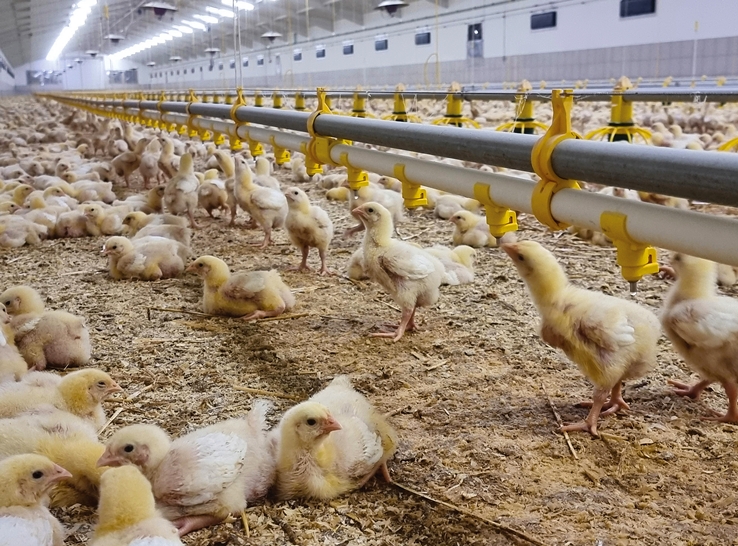
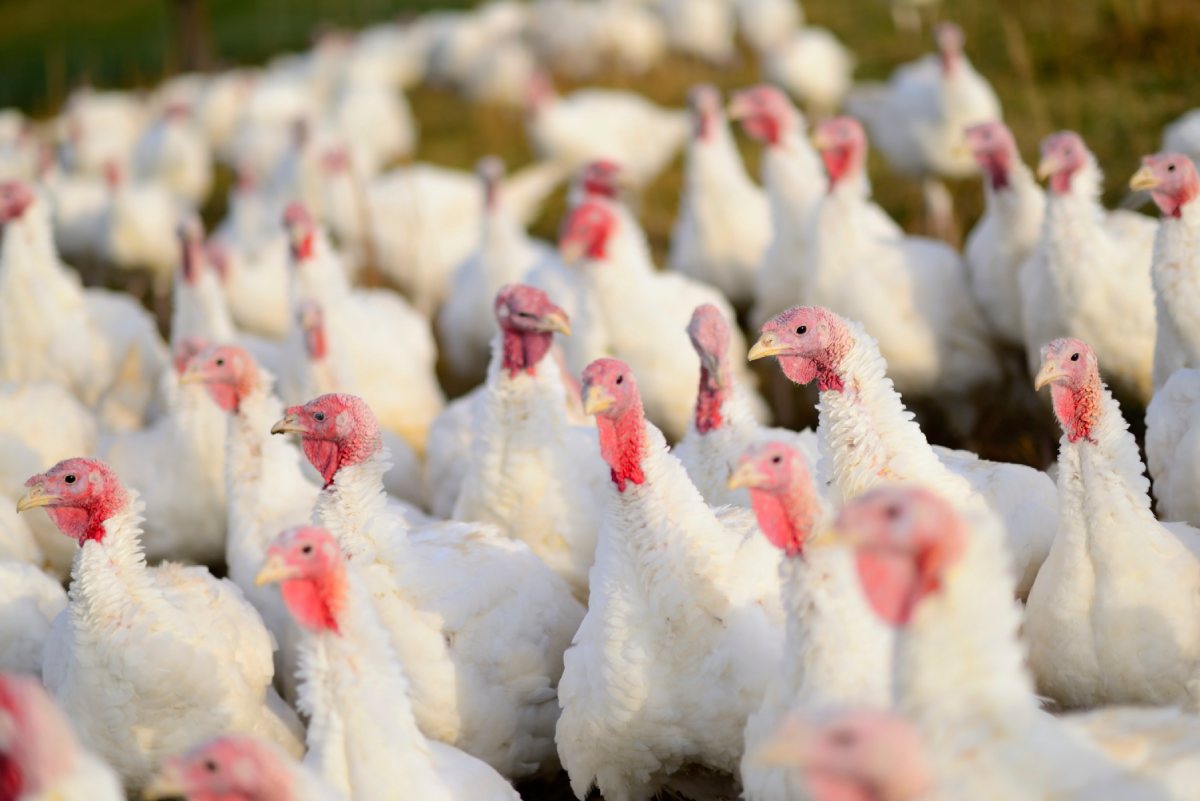
Start with the point I have made from every podium at which I stand. Salmonella does not originate at the processing plant. It rides in from live operations. The plant inherits the load and gets the enforcement.
Keep Salmonella out of the breeder flock with vaccination, pest control, biosecurity and clean-egg discipline. In the hatchery, verify sanitation rather than assume it. Weigh the value of a modified-live vaccine spray or a competitive-exclusion cocktail at hatch. Reach lethality in the feed mill at the pellet die and keep condensation out of the pellet cooler.
Grow-out is where gut integrity is won or lost. Manage litter moisture, control coccidia and keep the intestinal tract healthy, because a compromised gut is Salmonella’s happy place, which means more shedding. Acidify the drinking water to the lowest pH that does not cut consumption and measure it with a pH meter.
Then comes feed withdrawal, my own corner of this work. Aim for 6 hours for a flock in a steady eating pattern, and treat approximately 10 hours as the outer limit before the intestinal lining weakens and causes spills at evisceration. Measure that number as an ongoing diagnostic.
At the plant, the interventions are familiar. A 3-stage counter-flow scalder, rather than a bath, should be an intervention. Use acidic sanitizers on the picker rails. Apply sanitary dressing to avoid digestive-tract spillage. Finally, use a chiller with peracetic acid; it is a very effective antimicrobial that transforms the chiller into an important control point.
None of these interventions are new. All of it still counts. With FSIS sequencing every positive sample and matching it to human cases, the line from a positive plant sample to a human illness has never been shorter.
Food safety, collaboration
Here is the part no policy withdrawal touches. A robust food safety program is not optional. It is a cost of doing business. It keeps people from getting sick, heads off recalls and protects the brand you spent decades building.
The best plants I visit have found one intervention no rule can mandate. Live production and processing sit at the same table. The broiler manager, service technicians and plant management assess feed withdrawal together. Live-operations people show up at the FSIS weekly meeting once a month and watch their own flocks get processed. A small change in live operations moves the number at the plant.
The framework withdrew. The goal behind it did not. Everyone is still part of the solution.
Editor’s note: The views expressed in this article are solely those of the author.
The post Fulnechek: The rule is gone. Salmonella isn’t. appeared first on Modern Poultry.
Apa Reaksi Anda?
 Suka
0
Suka
0
 Kurang Suka
0
Kurang Suka
0
 Setuju
0
Setuju
0
 Tidak Setuju
0
Tidak Setuju
0
 Bagus
0
Bagus
0
 Berguna
0
Berguna
0
 Hebat
0
Hebat
0