






















Managing Canine Cushing’s Disease at Home: A Guide for Indian Pet Parents

A Cushing’s disease diagnosis can feel overwhelming, especially when you are hearing the term for the first time from your veterinarian. The reassuring truth is that with steady home care, most Indian dogs live comfortable, happy lives for years after the diagnosis. This condition is common in middle-aged and senior dogs, and while it does need lifelong attention, most of the day-to-day management happens right in your own home. This guide walks you through what Cushing’s disease looks like in Indian households, how to build a manageable care routine, and how to work with your vet to keep your dog stable through humid monsoons, dry winters, and long summer afternoons.
What is Cushing’s Disease in Dogs
Cushing’s disease, also called hyperadrenocorticism, occurs when a dog’s body produces too much cortisol. Cortisol is a stress hormone that helps regulate energy, immunity, and inflammation, but in excess it quietly damages the liver, skin, muscles, and immune system. According to the American Kennel Club, the condition is most often caused by a small benign tumour on the pituitary gland, though a smaller number of cases stem from an adrenal gland tumour or long-term steroid use.
In India, breeds such as Beagles, Dachshunds, Boxers, Poodles, and small terriers are seen more frequently at veterinary clinics with this diagnosis. It typically appears in dogs above the age of seven. The disease progresses slowly, which is why many pet parents mistake early signs for normal ageing and delay a vet visit by several months.
Recognising Symptoms Early
Catching Cushing’s early makes home management far easier. The most common signs are increased thirst, frequent urination, a noticeably larger appetite, and a rounded, sagging belly. Many dogs also develop thinning fur along the back and flanks, dark patches on the skin, and slow-healing wounds. Panting even in air-conditioned rooms is another telling sign, since excess cortisol interferes with normal temperature regulation.
Indian pet parents often notice their dog draining bowls of water within minutes during summer, or asking to be let out to urinate multiple times at night. If your dog has always been house-trained but suddenly has accidents indoors, take it seriously. Muscle weakness in the hind legs, a dull coat, and repeated skin or urinary infections are also worth flagging. Keep a short symptom diary for two weeks and share it with your veterinarian during the next consultation.
Getting a Proper Diagnosis
Home management can only begin after a confirmed diagnosis. Vets usually start with blood work, a urine test, and abdominal imaging. Specific tests such as the ACTH stimulation test or the low-dose dexamethasone suppression test then confirm the condition. As explained by VCA Animal Hospitals, no single test is perfect, so your vet may combine results before deciding on treatment.
Do not attempt to self-diagnose based on symptoms alone. Several conditions common in Indian dogs, including diabetes, hypothyroidism, and kidney disease, share overlapping signs. An accurate diagnosis protects your dog from unnecessary medication and gives you a clear starting point for daily care.
Building a Daily Home Management Routine
Once treatment begins, usually with medications such as trilostane, your role at home becomes central. A predictable daily rhythm helps your dog feel secure and gives you clear reference points to notice small changes. Focus on three pillars: medication timing, nutrition, and hydration. Add gentle grooming and calm exercise, and you have covered the essentials. Most Indian households can manage this alongside their regular schedule without major disruption. Consistency matters more than complexity, and small steady habits protect your dog better than occasional bursts of extra attention.
Medication Consistency
Give prescribed medication at the same time every day, ideally with food to reduce stomach upset. Trilostane in particular should never be skipped or doubled without veterinary guidance, since it directly affects cortisol production. Set phone reminders and keep a written log. If you travel within India, carry extra doses and a copy of the prescription, especially around festivals such as Diwali or Holi when finding an open pharmacy can be difficult. Store medicines away from direct heat and humidity, both of which are common problems in Indian kitchens.
Diet Adjustments
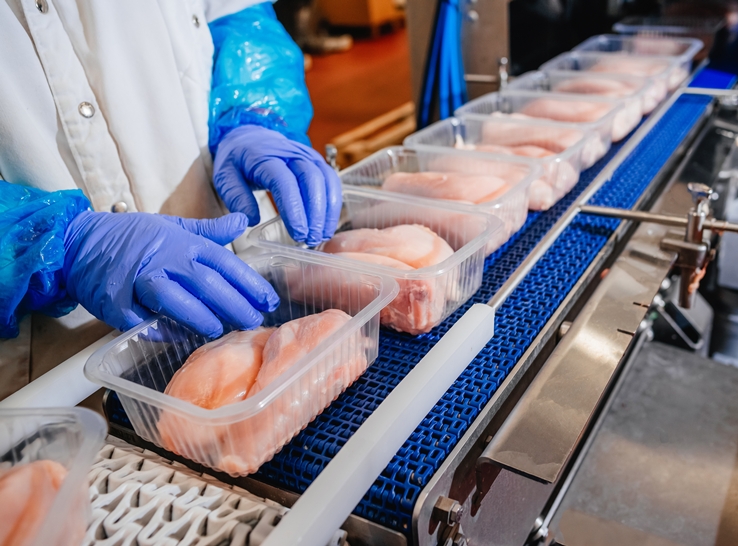
Dogs with Cushing’s benefit from a diet moderate in high-quality protein, low in fat, and controlled in sodium. Extra protein helps counter muscle loss, while lower fat reduces the strain on the liver and pancreas. Avoid table scraps, fried snacks, and heavy Indian gravies, which can trigger pancreatitis in already vulnerable dogs. Fresh options such as boiled chicken, small amounts of paneer, cooked pumpkin, and plain curd suit most dogs well. Explore vet-approved therapeutic formulas from the dog food range at PetsWorld, and consider adding omega-3 supplements after consulting your vet, since they support skin and coat health, which is often compromised in Cushingoid dogs.
Hydration and Bathroom Access
Never restrict water, even if your dog seems to drink excessively. Restricting fluids in a Cushingoid dog can quickly lead to dehydration, particularly during Indian summers when temperatures climb past forty degrees. Keep multiple clean water bowls placed around the house and refresh them at least twice daily. Plan for more frequent bathroom breaks, and if you live in a high-rise apartment, keep indoor pee pads ready for night-time. A soft, washable dog bed placed near the balcony door can help older dogs rest comfortably between trips outside.
Grooming and Skin Care in the Indian Climate
Cushing’s weakens the skin barrier, and India’s humidity makes fungal and bacterial infections more likely, especially during the monsoon months. Brush your dog gently every two to three days to spread natural oils and to check for hot spots, scabs, or thinning patches. Bathe only when necessary, using a mild medicated shampoo recommended by your vet. Over-bathing strips protective oils and worsens dryness during winter.
Dry your dog thoroughly after every bath and after monsoon walks, paying close attention to armpits, groin, and paw pads where moisture collects. Trim nails regularly, since weakened muscles make long nails painful. Check ears weekly for wax buildup or odour, and clean them with a vet-approved solution. Browse the grooming essentials collection at PetsWorld for vet-recommended shampoos, ear cleaners, and soft brushes suited to sensitive skin.
Exercise and Mental Stimulation
Gentle daily exercise supports muscle tone, but avoid intense play or long runs. Two short walks of fifteen to twenty minutes each work better than one long outing. In Indian cities, schedule walks for early morning or after sunset to avoid heat exhaustion, since Cushingoid dogs struggle to cool themselves. Puzzle feeders, scent games, and short training sessions keep the mind active without physical strain. Mental stimulation also reduces stress, which matters because stress raises cortisol further and can worsen symptoms. Watch your dog closely during activity and stop the moment you notice heavy panting or trembling legs.
Monitoring Progress at Home
Keep a simple log noting daily water intake, appetite, urination frequency, energy levels, and any skin changes. Weigh your dog every two weeks if possible, using a home scale or the reception scale at your vet clinic. Share this log at every follow-up visit. Routine ACTH stimulation tests are usually recommended around ten to fourteen days after starting medication, then every three to six months, as outlined in the Merck Veterinary Manual. Watch for warning signs such as vomiting, diarrhoea, extreme lethargy, loss of appetite, or sudden collapse. These can indicate cortisol dropping too low, which is a medical emergency and requires immediate veterinary attention.
A Steady Routine Makes All the Difference
Managing Cushing’s disease at home is about patience, observation, and steady routines. Work closely with your veterinarian, keep your log updated, and lean on quality nutrition and gentle grooming to keep your companion comfortable. With the right care, your dog can continue enjoying quiet mornings, cool evening walks, and the everyday joys of family life for years to come.
Frequently Asked Questions
Can Cushing’s disease in dogs be cured completely?
Pituitary-dependent Cushing’s, the most common form, is managed rather than cured. Adrenal tumours can sometimes be surgically removed, offering a potential cure, but the option depends on the tumour type and your dog’s overall health. Most Indian dogs live comfortably for years with daily medication and steady home care.
How long can a dog live with Cushing’s disease?
With proper treatment and monitoring, dogs typically live two to four years after diagnosis, and many live longer. Life expectancy depends on age at diagnosis, treatment consistency, and how well secondary conditions such as skin infections or diabetes are managed.
Is Cushing’s disease painful for dogs?
The disease itself is not painful, but complications such as skin infections, muscle weakness, or urinary tract infections can cause real discomfort. Consistent home care and prompt vet visits prevent most of these issues.
What foods should I avoid feeding my Cushingoid dog?
Skip fatty foods, fried snacks, salty biscuits, chocolate, onions, and heavy Indian curries. Avoid raw meat as well, since a weakened immune system raises the risk of bacterial infection.
Can I stop the medication if my dog seems better?
No. Cushing’s medication controls cortisol levels only while active in the system. Stopping suddenly causes symptoms to return quickly and can be dangerous. Any dosage change must come from your veterinarian.
Does hot Indian weather affect a dog with Cushing’s?
Yes. Excess cortisol impairs temperature regulation, so affected dogs overheat faster. Keep your dog in cool, ventilated spaces, offer unlimited water, and avoid midday walks throughout summer and early autumn.
Apa Reaksi Anda?
 Suka
0
Suka
0
 Kurang Suka
0
Kurang Suka
0
 Setuju
0
Setuju
0
 Tidak Setuju
0
Tidak Setuju
0
 Bagus
0
Bagus
0
 Berguna
0
Berguna
0
 Hebat
0
Hebat
0