





















Post-Surgical Recovery Kits for Dogs: What You Actually Need

Bringing your dog home after surgery is equal parts relief and worry. The vet has done their part, and now the healing shifts to your living room. Whether it is a spay, neuter, orthopaedic repair, dental extraction, or a tumour removal, the first two weeks matter the most. A well-stocked recovery kit helps you stay calm, keeps your dog comfortable, and lowers the chance of complications like infections, torn stitches, or re-injury. This guide walks you through what to actually keep ready at home, based on what most Indian pet parents genuinely need, not a long shopping list of extras.
Why a Thoughtful Recovery Kit Matters
Surgery is only step one of healing. The real work happens over the next 10 to 14 days, when your dog is groggy, sore, and often confused about why they cannot jump on the sofa. Having supplies ready before you bring them home means no last-minute chemist runs during a monsoon downpour or a hot Delhi afternoon. According to the American Veterinary Medical Association, most post-operative complications in pets, such as infections or reopened incisions, happen because of self-trauma or poor home care during the first week. A prepared kit removes that stress. It also helps you spot problems early, which is often the difference between a quick call to the vet and an emergency visit.
The Recovery Collar or Suit: Your First Line of Defence
The classic plastic Elizabethan collar, known as the cone, still does its job of preventing licking and biting at stitches. However, many dogs find it noisy and stressful, especially in small Indian apartments where they keep bumping into furniture. Softer alternatives now include inflatable donut collars, padded fabric cones, and full-body recovery suits. The American Kennel Club notes that any barrier that stops a dog from reaching the surgical site is acceptable, so long as it stays on around the clock, including during sleep. Full-body suits are particularly useful for spay incisions or belly stitches because they double as a light cover against dust and mosquitoes. For long-haired breeds, they also stop fur from falling into the wound. Keep a spare so you always have a clean one while the other is being washed.
Wound Care and Hygiene Essentials
Your vet will usually send you home with specific instructions, but a few basics belong in every kit. Sterile saline solution is gentle for cleaning around stitches if any crust or discharge appears. Cotton pads work better than cotton balls because they leave fewer fibres behind. Keep a small pair of blunt-tipped scissors handy for trimming fur that might irritate the incision. Avoid hydrogen peroxide, Dettol, or turmeric pastes on the wound itself unless your vet specifically approves them, since these can slow healing. A mild, vet-approved antiseptic wipe is enough for the surrounding skin. Skip regular baths for at least 10 days. If your dog gets dirty, use a damp cloth or a waterless shampoo made for dogs. You can find gentle options in the dog grooming range that are safe for sensitive post-surgical skin.
A Quiet, Comfortable Resting Zone
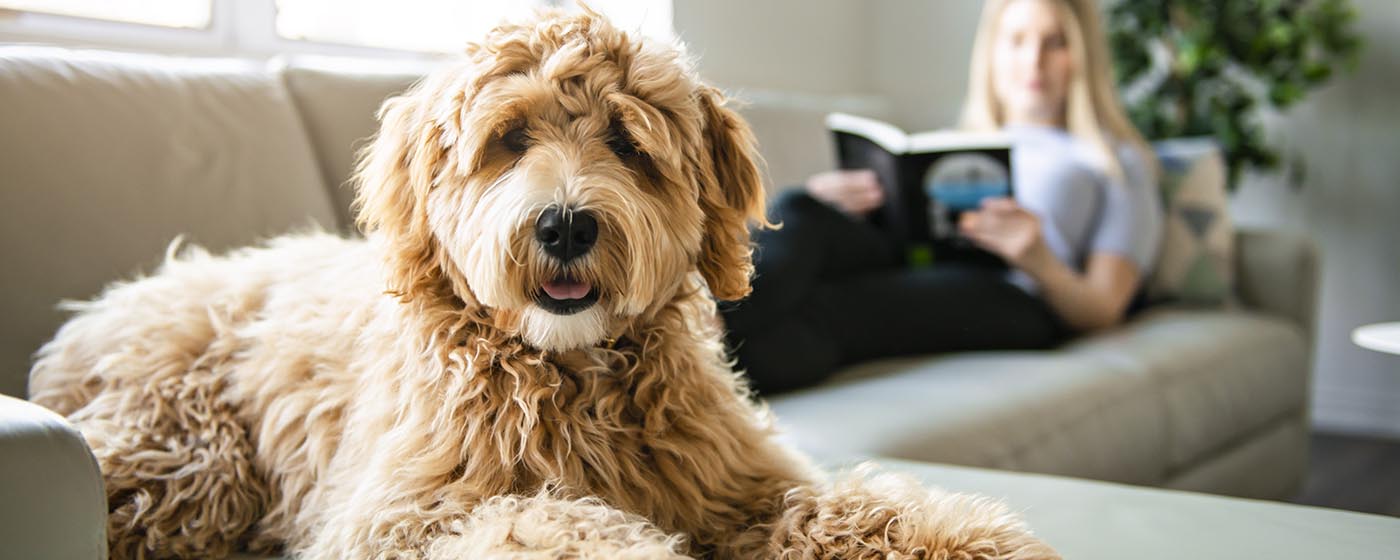
Set up a low, padded space where your dog can rest without needing to climb or jump. An orthopaedic or memory-foam mattress supports sore joints and reduces pressure on stitches. Place it in a cool, low-traffic corner away from the main door, children playing, and other pets. Add a soft blanket they already know by smell, since familiarity lowers anxiety. For dogs recovering from orthopaedic procedures, a crate or an exercise pen prevents wandering, which the ASPCA recommends for the first week to limit sudden movement. If your dog usually sleeps on your bed, consider moving to the floor with them for a few nights so they do not try to jump up. Explore a supportive option from the dog beds collection sized for your breed. Keep the space well-ventilated but not directly under a fan or AC vent, since chilled air on a shaved surgical site can cause stiffness.
Food, Water, and Medication Support
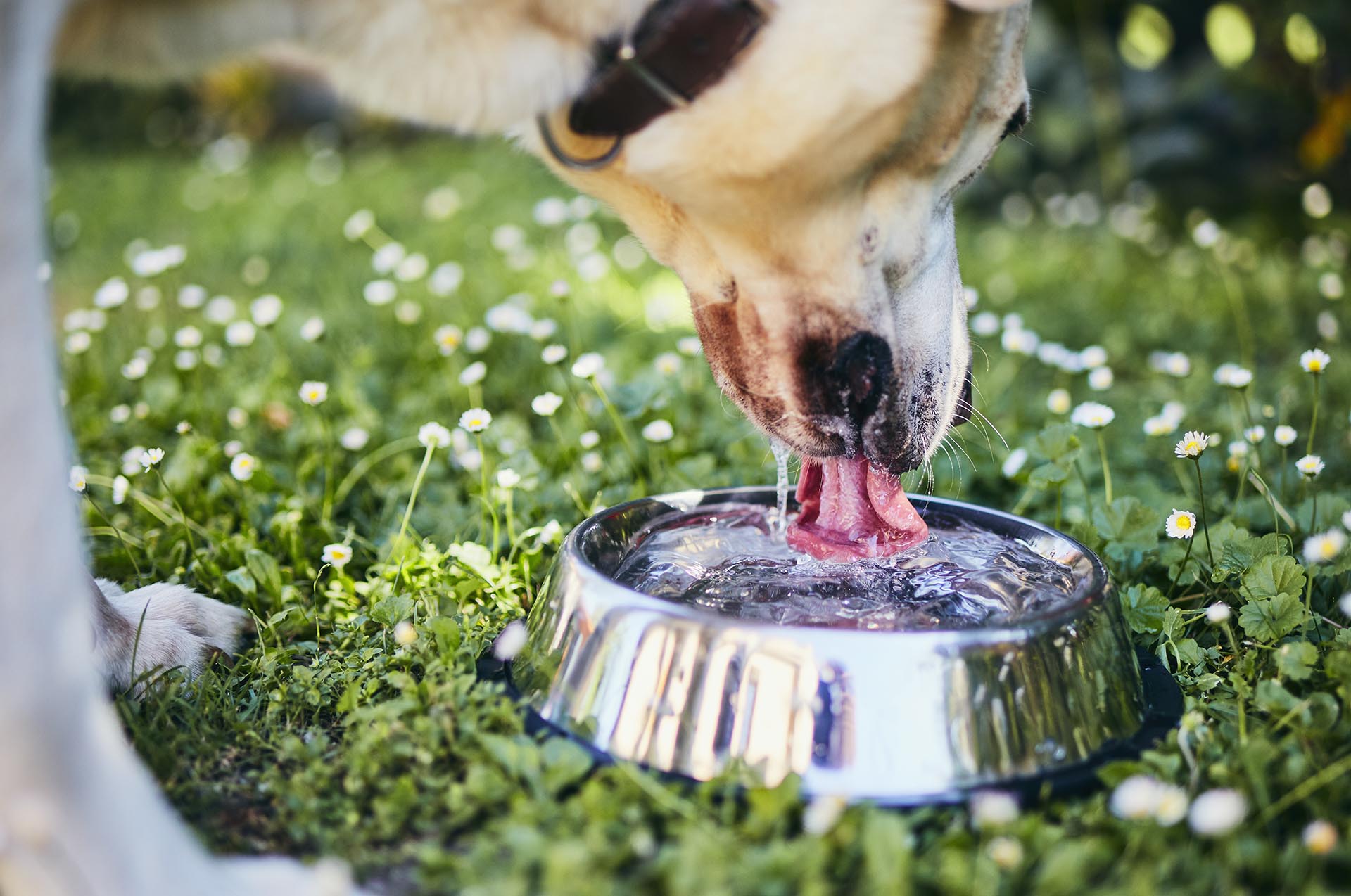
Anaesthesia can leave dogs nauseous for 24 to 48 hours, so start with small, bland meals of boiled chicken and rice or a prescription recovery diet. Elevated bowls reduce strain if your dog cannot bend comfortably, which is common after orthopaedic surgery. Fresh water should always be within reach, but in a shallow, spill-proof bowl to avoid mess if they are unsteady on their feet. A pill pocket, a small piece of paneer, or a dab of xylitol-free peanut butter makes tablet time far easier. Keep a written schedule of medications on the fridge, since it is easy to lose track of doses when you are sleep-deprived. Probiotics and joint supplements may be recommended by your vet to support gut health after antibiotics and to speed tissue recovery. Browse the dog supplements range for options your vet has cleared. Never give human painkillers like paracetamol or ibuprofen, as PetMD warns these can be fatal to dogs even in small amounts.
Mobility Aids and Movement Restriction
For larger breeds or dogs recovering from leg, hip, or spine surgery, a support sling or a harness with a handle helps you guide them safely to the toilet area without lifting their full weight. A short, non-retractable leash keeps walks controlled and slow. Baby gates are useful for blocking staircases in duplex homes, and non-slip mats or old cotton rugs help on smooth marble or tile floors, which can be treacherous for a wobbly dog. If your dog usually rides in the car for vet follow-ups, a padded car seat cover and a low ramp make the trip easier. You can find useful mobility and safety options in the dog travel accessories section.
Monitoring Recovery at Home
Keep a simple daily log for the first week. Note appetite, water intake, toilet habits, energy level, and how the incision looks. Take a phone photo of the wound every morning in good light so you can spot changes early. Mild swelling and a thin pinkish line are normal, but call the vet immediately if you see pus, a strong smell, gaping stitches, or if your dog seems unusually lethargic, refuses food for more than 24 hours, or has repeated vomiting. A digital thermometer is a useful addition. A dog’s normal temperature ranges between 38 and 39.2 degrees Celsius, and anything above 39.5 needs attention. Save your vet’s number and the nearest 24-hour clinic on speed dial.
Indian Climate and Home Considerations
Recovery in India brings its own challenges. During monsoon, dampness slows wound healing and increases infection risk, so keep the resting area dry and change bedding often. In peak summer, especially in cities like Delhi, Ahmedabad, or Chennai, dehydration can undo good recovery, so encourage frequent small sips of water and consider adding a little unsalted bone broth if your vet approves. Mosquitoes and flies can trouble a lying-down dog, so a fine mesh net over the crate helps without needing chemical repellents near the wound. Avoid festival crowds and loud fireworks around Diwali if your dog is still healing, since stress and sudden movements can pull stitches. Street noise, doorbells, and construction sounds are also worth managing during the first sensitive week.
Final Word
A good recovery kit is not about buying everything on the shelf. It is about having the right basics ready so your dog can heal calmly, and you can breathe easier through those first tender days at home.
Frequently Asked Questions
How long does a dog usually need a recovery kit after surgery?
Most dogs need active recovery support for 10 to 14 days. Orthopaedic and major abdominal surgeries can extend this to 6 to 8 weeks, with reduced activity throughout the period.
Can I remove my dog’s cone when I am watching them?
It is safer to keep the cone or recovery suit on at all times, including during meals and sleep. Dogs can lick or chew stitches in seconds, and most post-surgical infections start this way.
What should I feed my dog right after surgery?
Offer small portions of bland, easy-to-digest food like boiled chicken and plain rice for the first 24 to 48 hours. Return to the regular diet gradually once appetite is normal and there is no vomiting.
Is it normal for my dog to shiver or seem restless after surgery?
Mild shivering from anaesthesia wearing off is common in the first 12 hours. Persistent shivering, whining, or restlessness beyond a day may indicate pain and needs a vet call.
Can I bathe my dog after surgery?
Avoid baths for at least 10 to 14 days or until your vet confirms the stitches have healed. Spot-clean with a damp cloth or a waterless dog shampoo if needed.
When should I call the vet during recovery?
Contact your vet if you notice swelling, pus, bleeding, a bad smell from the wound, refusal to eat for more than a day, repeated vomiting, unusual lethargy, or a fever above 39.5 degrees Celsius.
Apa Reaksi Anda?
 Suka
0
Suka
0
 Kurang Suka
0
Kurang Suka
0
 Setuju
0
Setuju
0
 Tidak Setuju
0
Tidak Setuju
0
 Bagus
0
Bagus
0
 Berguna
0
Berguna
0
 Hebat
0
Hebat
0