
































Chicken and egg prices climb in Malaysia as farms face mounting pressures
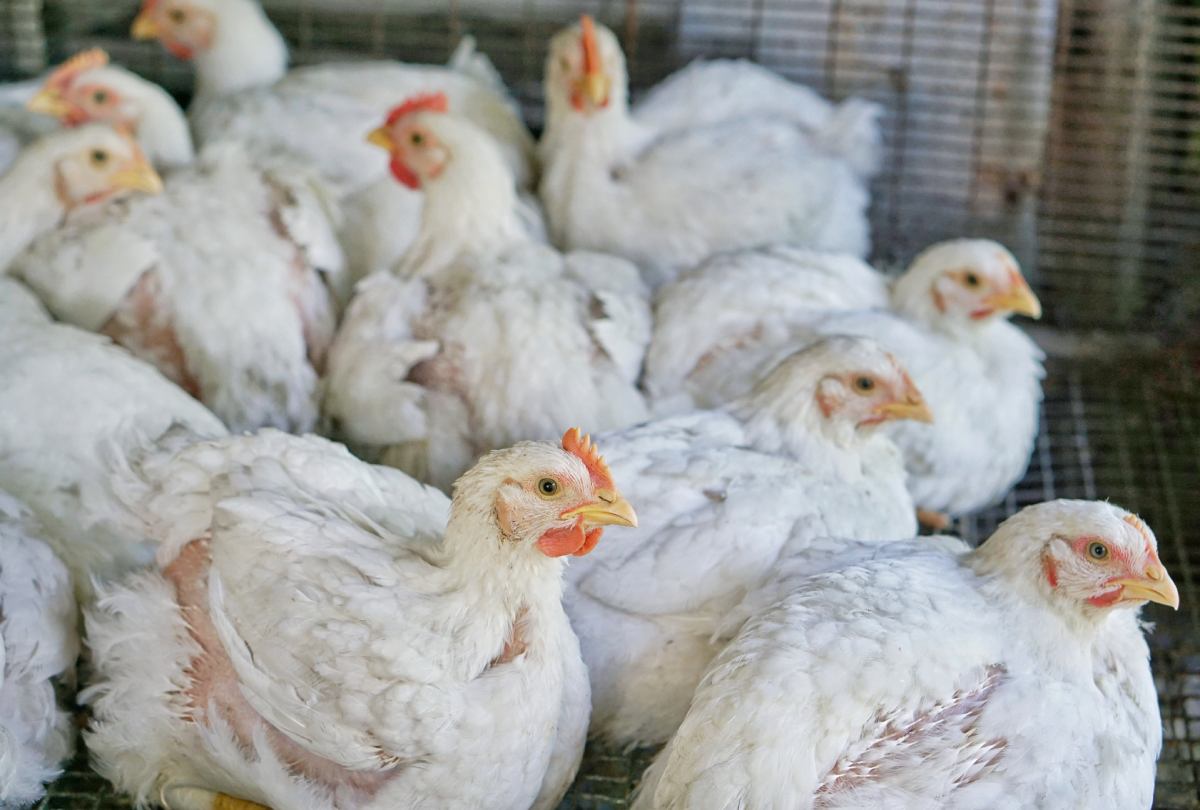
Kuala Lumpur, 31 August 2026 — Retail prices for chicken and eggs are rising in Malaysia as poultry farms face closures and suspensions amid fly infestations, labour shortages, higher feed costs and regulatory pressure. The New Straits Times reports that these combined pressures are tightening supply and contributing to higher consumer prices. The government is also reviewing rising egg prices following concerns from producers about high operating costs.
Farm closures tighten supply
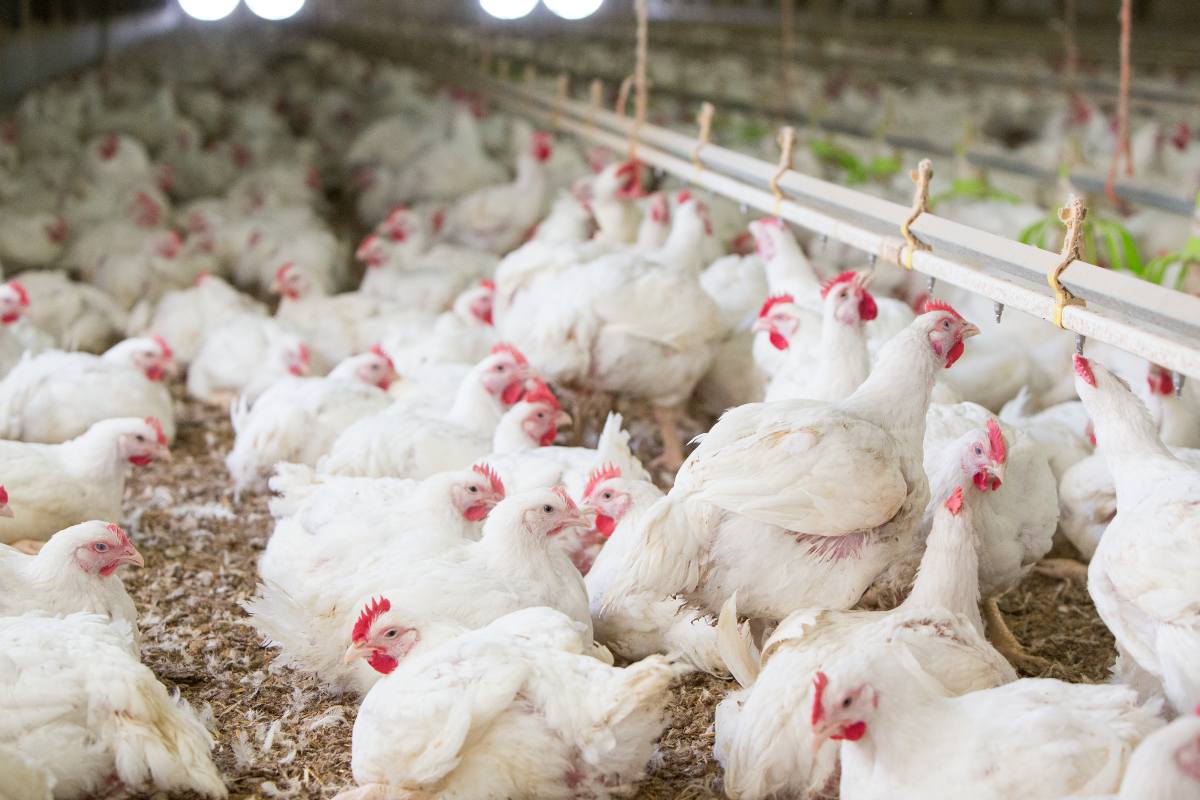
Industry sources say several farms, mainly in Negeri Sembilan, have been ordered to shut or suspend production following complaints about flies and problems linked to manure management. The closures have affected production involving an estimated 3.7 million live chickens, although some farms have since reopened.
The Federation of Livestock Farmers’ Associations of Malaysia says farms are capable of meeting domestic demand, although national supply is currently tight.
The situation is also creating uncertainty for individual producers. One poultry farmer interviewed by the New Straits Times said persistent fly problems and tighter regulatory expectations could threaten a family poultry business that has operated for about 40 years.
Prices at the shelf
Supermarket and retail data show higher egg prices in August. At Lotus’s Malaysia, Grade A eggs were retailing at RM14.79 per tray of 30, Grade B at RM14.19 and Grade C at RM13.89. Focus Malaysia reported that earlier in 2026 prices were around or below RM13.50, RM12.50 and RM11.50 respectively.
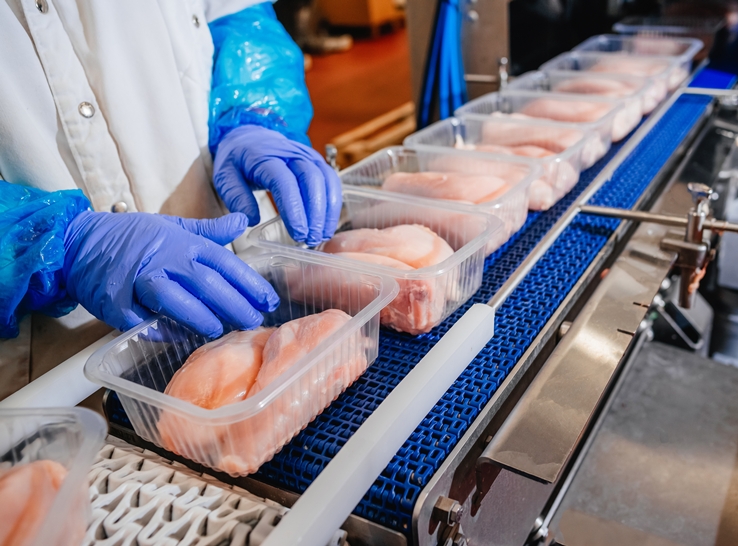
Fresh chicken has also become more expensive, with retail prices reported around RM9–9.50/kg in some retail outlets in some cases.
The increase in egg prices is not being attributed solely to recent farm closures. QL Resources expects egg prices to remain relatively high over the next two quarters, citing strong demand and tighter supply. The company said production had previously been reduced as farmers retired spent layers, while hot weather has also affected hen productivity.
Four key pressures
Farmers and industry bodies point to several overlapping factors:
- Fly infestations and enforcement. Open-house farms have faced complaints about flies and odours, while authorities have responded with inspections, fines and closure or suspension orders in cases involving poor farm and manure management.
- Labour shortages. Producers say shortages of workers make it more difficult to meet cleaning and manure-management requirements, adding to the operational pressures facing farms.
- Rising feed costs. Higher feed costs are putting further pressure on poultry producers. QL Resources expects continued pressure from higher prices for key feed ingredients such as corn and soybean meal, alongside rising energy and logistics costs.
- Push toward closed-house systems. Malaysia has promoted closed-house farming as a way to improve biosecurity and farm management, but only about 8% of poultry houses are fully closed-house. High capital costs remain a major barrier to wider adoption.
Policy backdrop
There is no nationwide legal mandate requiring all poultry farms in Malaysia to convert to closed-house systems. However, Perak is due to begin full enforcement of its closed-house policy on 1 January 2027, increasing pressure on operators that have yet to make the transition.
According to the Department of Veterinary Services, farms that have ceased operations so far have not generally done so solely because they failed to convert to closed-house systems; poor management and public complaints have been among the reasons for closures.
The investment required to establish or convert to closed-house production can be substantial. Industry estimates cited by the New Straits Times put the cost at up to RM60 million, excluding land costs, while other industry reporting has placed the cost of constructing a new poultry farm at more than RM10 million.
Government reviews egg prices
The government is reviewing rising egg prices following concerns from producers about high operating costs and broader pressures on the poultry industry.
At the same time, industry expectations point to continued price pressure in the near term. QL Resources expects egg prices to remain high over the next two quarters, supported by resilient demand and tighter supply, while higher selling prices could help poultry producers offset rising feed and other operating costs.
Apa Reaksi Anda?
 Suka
0
Suka
0
 Kurang Suka
0
Kurang Suka
0
 Setuju
0
Setuju
0
 Tidak Setuju
0
Tidak Setuju
0
 Bagus
0
Bagus
0
 Berguna
0
Berguna
0
 Hebat
0
Hebat
0