


































Interpreting AST results key to maintaining anticoccidial effectiveness
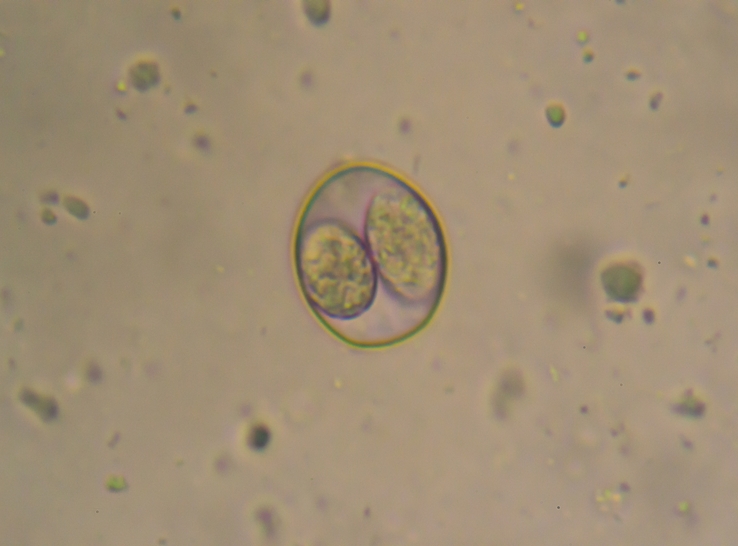
Anticoccidial sensitivity testing (AST) has long been available to poultry producers, but its role in shaping effective coccidiosis control programs is becoming more important as resistance continues to erode the performance of existing drugs.
In the final session of Phibro Academy’s three-part webinar series, “Coccidiosis Tools and Strategies,” Greg Mathis, PhD, president of Southern Poultry Research, Inc., said that while AST can provide valuable insight into how field isolates respond to different products, its real value depends on how well those results are interpreted and applied in the field.
Coccidial resistance develops through selection pressure, with anticoccidial drugs eliminating susceptible parasites while allowing less sensitive strains to survive and multiply, Mathis explained.
Over time, that process shifts the population towards reduced sensitivity. The rate of change depends on factors including drug type, inclusion level, duration of use and the overall coccidial load within the birdhouse.
Larger populations increase the likelihood that resistant strains are present, accelerating the loss of sensitivity.
Comparing isolates
AST is designed to replicate a field challenge under controlled conditions, allowing producers to compare how isolates respond to different anticoccidial treatments.
The process involves collecting litter samples containing oocysts from commercial houses, propagating them and challenging birds receiving different drugs, with outcomes measured through lesion scoring and performance.
“Six days post-challenge, we weigh them and lesion score all the birds,” Mathis said.
The resulting data provides a structured comparison with untreated controls, but Mathis said it should not be reduced to a single index or used to rank products without context.
“You’re missing some of the really important interpretations of what influenced lesions, what influenced feed conversion,” he explained.
Instead, AST should be viewed as one component of a broader evaluation that includes species composition, challenge level and the biological characteristics of each drug.
Interpreting results correctly
One of the most important variables affecting AST outcomes is the nature of the challenge itself. Mathis noted that challenge level can significantly influence how products appear to perform. In high-dose challenges, lesion scores can be uniformly elevated, masking differences between treatments and making products appear less effective than they would under commercial conditions.
Under more moderate challenge conditions, separation between treatments becomes clearer, providing a more realistic indication of relative sensitivity. This highlights the need to interpret results in the context of how closely the test reflects field conditions.
Mode of action also plays a critical role, Mathis said. Ionophore anticoccidials, for example, do not act as coccidicidal agents. Instead, they combine direct parasite control with the development of immunity through controlled cycling. That dual mechanism complicates interpretation in AST testing, where the short test period limits the immune component.
As a result, ionophores often appear less effective in AST results than they do in the field, where immunity contributes to overall control, he said.
Synthetic anticoccidials present a different picture. Their strong coccidicidal activity can produce clear reductions in lesion scores, but that does not necessarily translate to long-term sustainability. Their potency can increase selection pressure, accelerating the development of resistance if they are used too intensively.
Species differences complicate results
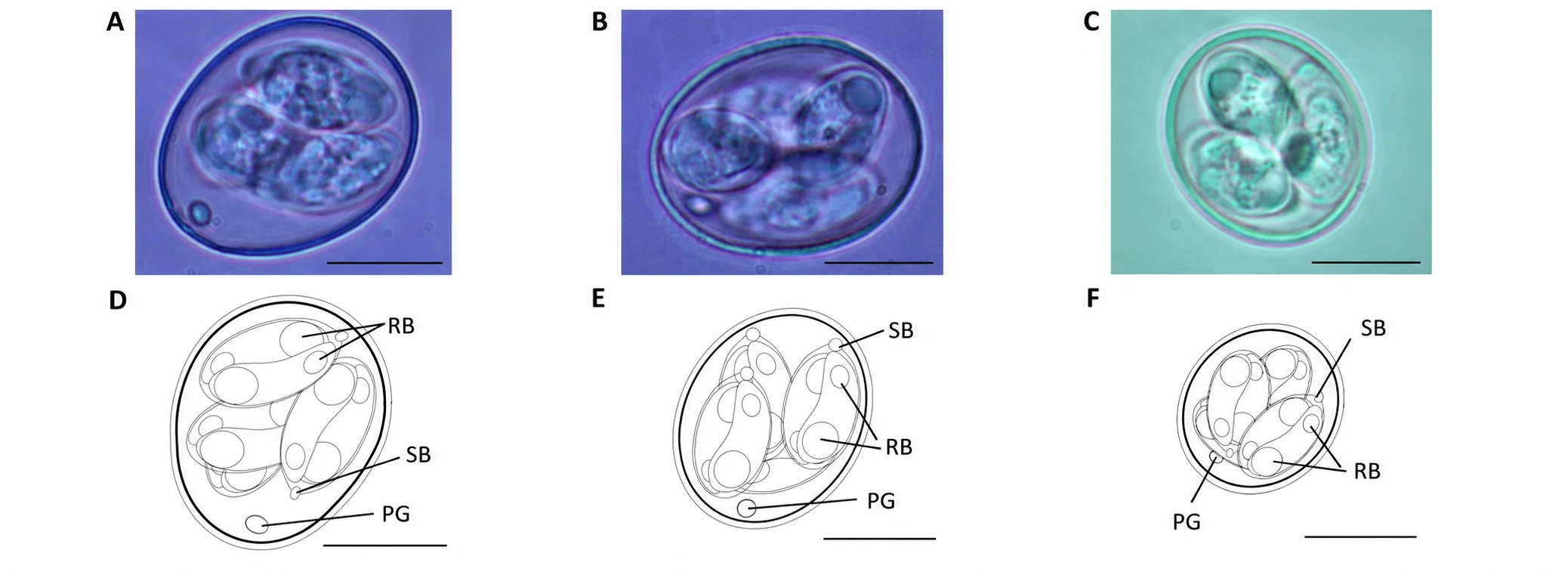
Species composition further complicates interpretation, Mathis said. Different Eimeria species vary in both pathogenicity and response to treatment.
Mathis highlighted that Eimeria maxima, in particular, has a greater impact on feed conversion than other species, meaning performance data can be influenced by species mix rather than drug sensitivity alone.
In some cases, drugs can allow certain life stages of the parasite to develop, resulting in visible lesions without a corresponding drop in performance. Without understanding those dynamics, there is a risk of misclassifying efficacy as resistance, he said.
Sampling strategy is another critical factor shaping AST results, Mathis explained.
Timing has a direct impact on how representative an isolate is, so collecting samples too early, particularly in vaccinated flocks, can skew results towards vaccine-derived strains rather than field populations.
To better reflect field conditions, he recommended sampling later in the grow-out, typically between 23 and 28 days of age, when coccidial cycling is more established and wild strains are more prominent.
Supporting better program decisions
Even with optimal sampling, Mathis stressed that AST results should not be treated as a definitive answer.
“Anticoccidial sensitivity tests are the only way to truly determine drug resistance and sensitivity,” he said, but added that their value lies in how they are used alongside other information.
Without performance data, field observations and historical program use to provide context, there is a risk of making decisions based on a single data point that represents only a snapshot in time.
In practice, AST is most useful as a guide for rotation and program planning, he explained.
By identifying relative sensitivity across available products, producers can make more informed decisions about which anticoccidials to use and when to rest them, he told attendees. Used correctly, they can help producers avoid over-reliance on individual products and support more strategic use of a limited range of anticoccidials.
This article is based on the third session in Phibro Academy’s three-part webinar series, “Coccidiosis tools and strategies.” To access the full webinar series, click here.
The post Interpreting AST results key to maintaining anticoccidial effectiveness appeared first on Modern Poultry.
Apa Reaksi Anda?
 Suka
0
Suka
0
 Kurang Suka
0
Kurang Suka
0
 Setuju
0
Setuju
0
 Tidak Setuju
0
Tidak Setuju
0
 Bagus
0
Bagus
0
 Berguna
0
Berguna
0
 Hebat
0
Hebat
0