


































Pet Obesity is a Canadian Cat Health Crisis

In Sponsorship with Hills
According to Canada’s Pet Wellness Report, developed by the Canadian Veterinary Medical Association in association with Hill’s Pet Nutrition, 50 to 60% of pets in Canada are overweight or obese. That statistic should set off warning bells for Canadian pet parents, because excess weight can contribute to increased chronic health problems and may shorten a pet’s life.
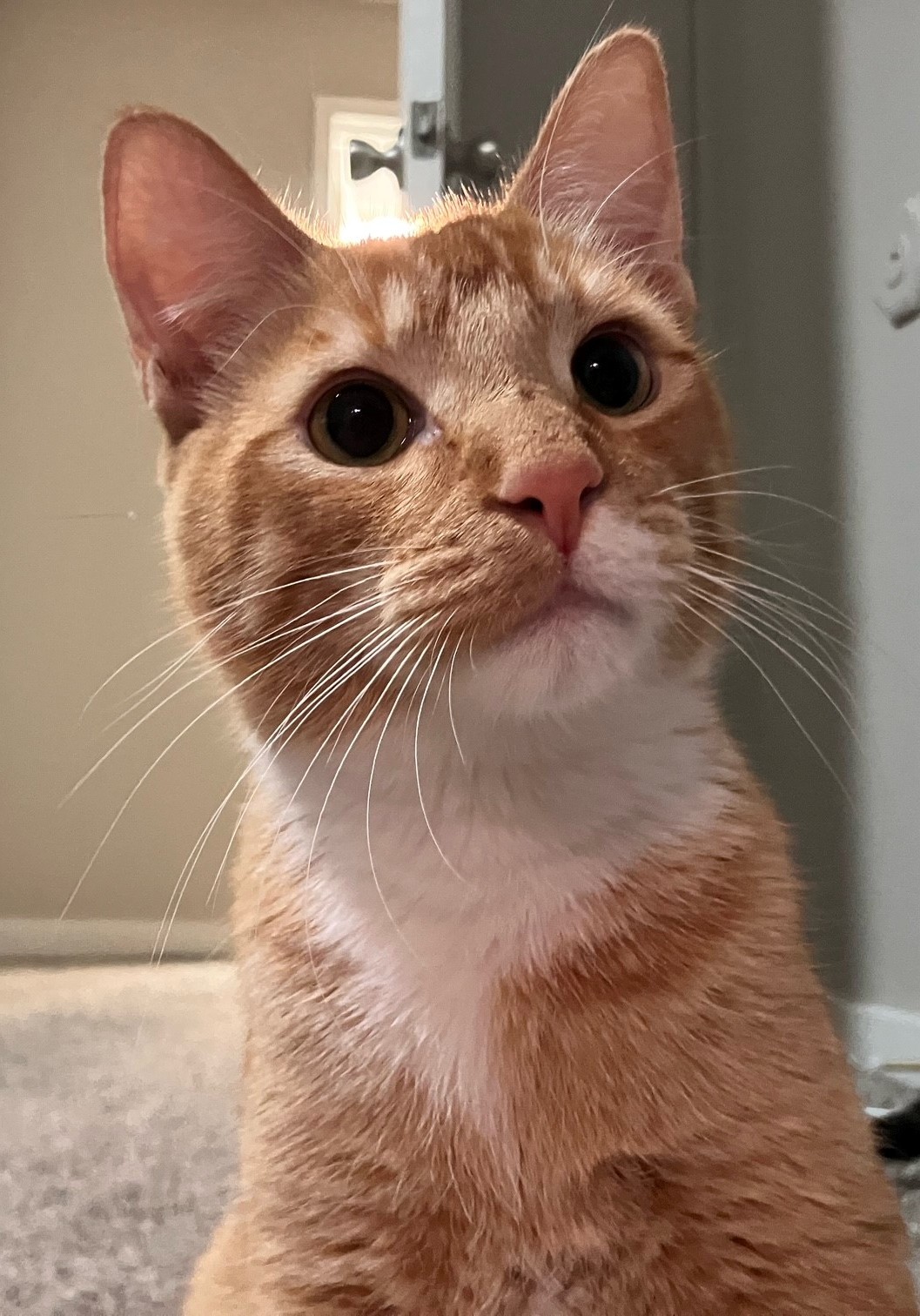
Back in 2025, Cathy Ren’s 17-year-old cat Max was an example of how even a small amount of excess weight in a cat can negatively impact their quality of life.
Max was eight years old, and already overweight, when Cathy adopted him in 2017. As he grew older, his excess weight, combined with chronic kidney disease and osteoarthritis, became an increasing health concern. His veterinarian. Dr. Shannon Gowland, recommended that Cathy and Max get help from the OVC Hill’s Pet Nutrition Weight Care Program at the Ontario Veterinary College (OVC).
Launched in 2025, the OVC Hill’s Pet Nutrition Weight Care Program, which includes the Weight Management Clinic, provides specialized veterinary support to help struggling pets achieve their healthy weight. The program focuses on helping to improve and prolong pets’ lives through nutrition and synergistic support.

A Little Excess Weight Can Trigger Big Health Problems
At his first visit to the OVC Weight Care Clinic, Max weighed 6.09 kilograms – more than one kilogram over his ideal weight. One kilogram. It doesn’t sound like much to us, but for a smaller cat like Max, that one kilogram was causing health problems, such as increased pain from his osteoarthritis.
Another concern was that his Body Condition Score (BCS) was 8 out of 9. A BCS estimates body fat using appearance and touch. For most pets, a healthy BCS is a 5 out of 9. Clinicians knew he needed to lose weight, but Max’s case presented an even bigger challenge than weight loss.
Walking the Tightrope
“What made Max’s case particularly challenging is that weight loss and kidney disease can have competing nutritional priorities,” explains Dr. Laura Teeger, DVM and Veterinary Nutrition Resident at the OVC Hill’s Weight Care Clinic. In other words, experts at the clinic needed to carefully manage his diet so he could slowly lose his excess weight without endangering his kidney function or causing the loss of lean muscle mass – a major concern for an aging cat such as Max. They were navigating a tricky tightrope of conflicting concerns.
Max experienced great progress with a combination of both dry and wet therapeutic weight management food. Wet food was included to support hydration and provide more food volume. The customized solution allowed Max to slowly achieve his goal weight without compromising his renal system.
Sustainable Success
During Max’s weight loss journey, Cathy managed meal portions and treats diligently. And as a two-cat pet parent, she had the added challenge of keeping Max out of her other cat’s food — a dilemma many pet parents face. She kept up with regular weigh-ins and veterinary follow-ups at the Hill’s OVC Weight Care Program, and continued Max’s leash walks.
Those small, consistent changes worked. Max reached his goal and a BCS of 6 out of 9, in April 2026. But for Cathy, success was never about reaching a perfect number on the scale; it was about giving Max the best possible quality of life in his senior years.
“It makes me happy to think I might have made his last few years a bit more comfortable,” she says. “I just want him to be as comfortable as he can be, for as long as he can be.”
If you’re concerned about your cat’s weight, Hill’s Pet Nutrition can help. In a survey, 9 out of 10 Canadian veterinarians recommend Hill’s Pet Nutrition food2.
Visit Hills for online tools such as the L.O.V.E. Weight Test. If you have questions about managing your cat’s weight, visit your veterinarian for more information about Hill’s Pet Nutrition’s nutritional options.

CALL OUT BOX:
Is your cat overweight? Look for these signs:
- Loss of an obvious waist
- Shortness of breath
- Difficulty grooming hard-to-reach spots
- Irritability or personality changes
- Slow movement

*based on human 2,000 kcal/day diet
Your cat can’t count calories – but you can! Just one ounce of cheese is a nice bite for us, but an ounce of cheese for your cat is equal to a human eating three and a half hamburgers, in terms of calories.
The post Pet Obesity is a Canadian Cat Health Crisis appeared first on Modern Cat.
Apa Reaksi Anda?
 Suka
0
Suka
0
 Kurang Suka
0
Kurang Suka
0
 Setuju
0
Setuju
0
 Tidak Setuju
0
Tidak Setuju
0
 Bagus
0
Bagus
0
 Berguna
0
Berguna
0
 Hebat
0
Hebat
0