




























Cocci vaccine strategies: why winter rotation may no longer be necessary
For years, many broiler producers followed a predictable seasonal rhythm in their coccidiosis programs: vaccinate through the warmer months, rotate to in-feed anticoccidials during winter and then return to vaccines in the spring.
The approach had logic behind it. Colder weather, litter management challenges and performance concerns led many operations to rely on feed-based control during the winter months.
But production systems have evolved — and so has our understanding of how immunity develops and stabilizes within the house environment.
In the following Q&A, Charlie Broussard, DVM, a poultry veterinarian with Merck Animal Health, explains how industry thinking has shifted and why more producers are maintaining coccidiosis vaccination year-round.
Why did producers historically move to in-feed anticoccidials during the winter months?
CB: Historically, vaccines weren’t widely used. We relied on in-feed anticoccidials, with most programs being built around ionophores.
Ionophores don’t completely shut down coccidial cycling. In fact, their “leakiness” was part of their strength. They control coccidiosis but still allow some exposure, so birds develop immunity over time. In that sense, an ionophore acts almost like a “semi-vaccine.”
On the other end are chemical or synthetic anticoccidials. They can be very effective, but they tend to suppress immunity development and resistance can develop quickly. So, chemicals were often reserved for periods when producers felt they needed stronger control — typically in winter, when litter moisture and environmental pressure were higher.
That seasonal rotation became standard practice. It wasn’t necessarily based on controlled comparisons — it was simply how the industry learned to manage risk.
What influenced the move toward year-round vaccination?
CB: It was a gradual process. Early on, many producers were skeptical of vaccines because performance is everything in broilers. It’s not enough to prevent clinical coccidiosis — the program has to maintain feed conversion and growth. If you lose five or ten points of feed conversion, the economics don’t work.
We started by introducing vaccines during the summer, when environmental conditions were more forgiving. Once producers saw comparable performance to their in-feed programs, confidence grew.
Another key factor was restoration of sensitivity. When you use a live coccidiosis vaccine for multiple cycles, you can shift the coccidial population in the house. That can restore sensitivity to in-feed anticoccidials if you later choose to use them again. That concept was supported by field data and research.
Then the industry shift toward antibiotic-free production accelerated vaccine adoption. As more producers successfully used vaccines in antibiotic-free programs, the perception that vaccination meant sacrificing performance began to disappear.
Over time, many operations realized they were performing so well on vaccines that switching back to in-feed programs in winter didn’t provide the performance bump they expected.
What improvements made vaccines more consistent?
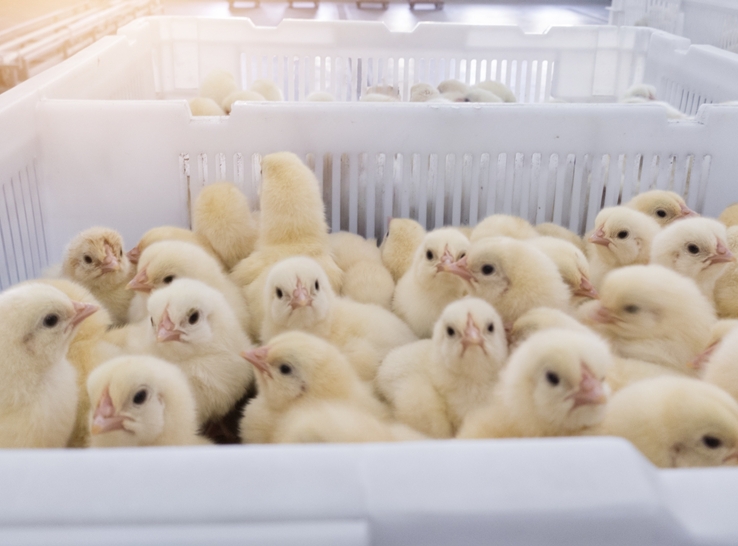
CB: The biggest improvement was application. With coccidiosis vaccines, proper administration is critical. Unlike most vaccines, which rely on a single exposure, coccidiosis vaccines depend on controlled cycling in the house. The chick receives a low dose at the hatchery, develops partial immunity and then builds stronger immunity through natural recycling in the litter.
As hatchery spray systems improved and centralized application allowed for uniform
coverage, consistency improved dramatically. When coverage is uniform, you don’t have as many birds falling off on the back end. That consistency translates into more predictable field results.
From there, brooding management becomes critical. Chicks must be comfortable, eating and active so they properly cycle the vaccine and develop immunity.
What does proper cycling look like in a vaccinated flock?
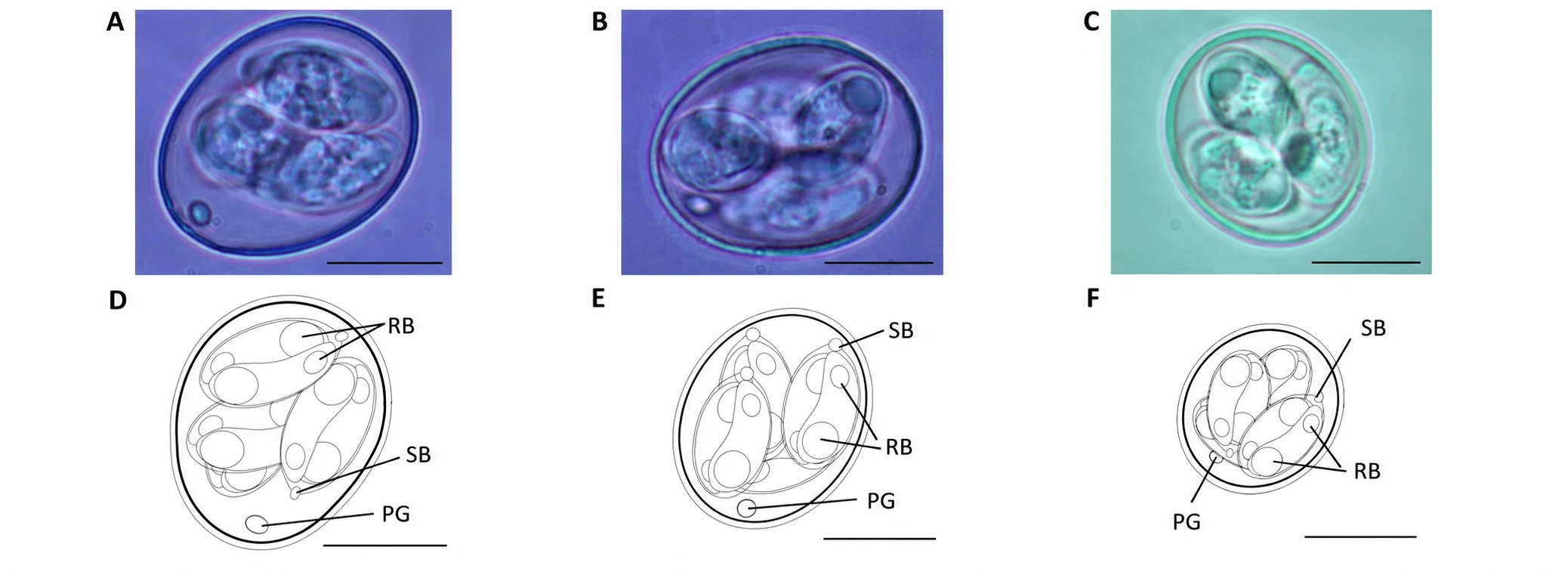
CB: When we monitor oocyst counts over time, we see a very consistent curve. After hatchery vaccination, there’s an initial small peak in oocyst shedding around seven days.
A second, larger peak often occurs around 16 to 20 days as immunity builds. By about 24 to 28 days, oocyst counts drop significantly, indicating strong immunity (Figure 1).
Figure 1. Oocyst shedding pattern following hatchery vaccination
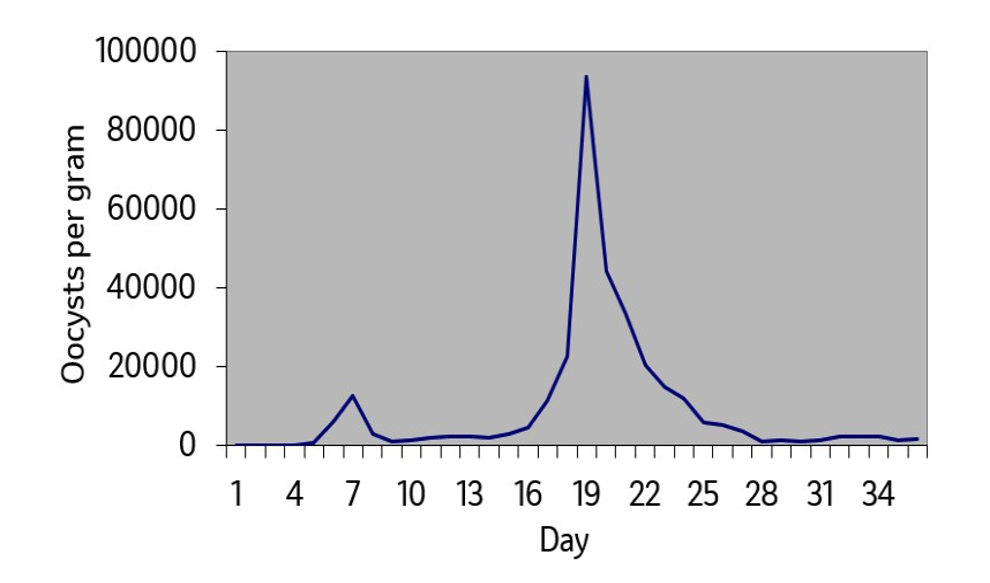
Schering-Plough Animal Health. 2004. “Coccivac-B Normal Reaction: Oocyst Shedding Pattern.” Technical Service Bulletin No. 366. Click to enlarge.
The key point is that we’re not trying to eliminate coccidia from the house — that’s unrealistic. We’re trying to control exposure in a way that allows immunity to develop early, so birds are protected during the rapid growth phase later in life.
Why might interrupting vaccination in winter undermine long-term control?
CB: When you switch programs seasonally, you disrupt the stability you’ve built in the house. We vaccinate the birds, but we’re also vaccinating the house. Over time, the vaccine strains become dominant in the environment. When that happens, performance becomes more predictable and less erratic.
If you remove the vaccine and rely solely on in-feed anticoccidials, you change that population dynamic. Many producers who tracked their own data found that performance on continuous vaccination was as good as — or more stable than — their rotation programs.
How does year-round vaccination support resistance management and stewardship goals?
CB: Vaccination is inherently sustainable because it’s built on immunity rather than chemical suppression. Ionophores and chemicals can lose effectiveness over time due to resistance. Vaccines don’t have that limitation. When managed properly, they provide consistent control without contributing to resistance pressure. From a stewardship standpoint, it’s a long-term solution rather than a reactive one.
What are the keys to success with year-round vaccination?
CB: First, hatchery application must be precise. Coarse spray systems, proper droplet size and visual confirmation — often using dye — ensure uniform coverage. The dye also encourages chick-to-chick preening, which helps ensure good vaccine uptake.
Second, brooding management is critical. Chicks must have good access to feed and water and be in a comfortable environment that promotes early coccidial cycling.
Finally, monitoring matters. Oocyst counts, lesion scoring and performance metrics help confirm that coccidial cycling is occurring as expected.
When those pieces are in place, vaccination becomes one of the most predictable and consistent anticoccidial programs available.
Editor’s note: Content on Modern Poultry’s Industry Insights pages is provided and/or commissioned by our sponsors, who assume full responsibility for its accuracy and compliance.
The post Cocci vaccine strategies: why winter rotation may no longer be necessary appeared first on Modern Poultry.
Apa Reaksi Anda?
 Suka
0
Suka
0
 Kurang Suka
0
Kurang Suka
0
 Setuju
0
Setuju
0
 Tidak Setuju
0
Tidak Setuju
0
 Bagus
0
Bagus
0
 Berguna
0
Berguna
0
 Hebat
0
Hebat
0