






















EuroTier 2026: trends in poultry farming and feeding technology
Dr. Christiane Keppler, Landesbetrieb Landwirtschaft Hessen (LLH – Hesse State Farming Authority)
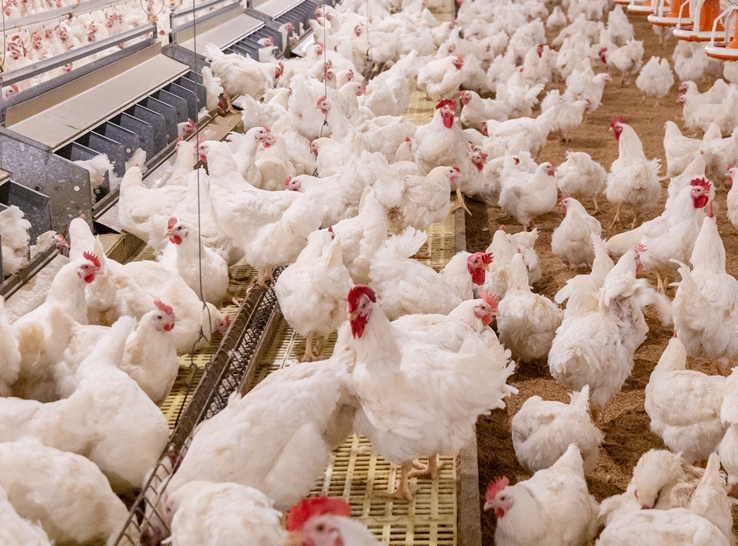
The poultry industry has faced numerous challenges over the past few years and continues to do so today. This includes, first and foremost, the need to significantly improve biosecurity, as avian influenza (bird flu) now poses a persistent risk and, in addition, Newcastle disease has also emerged this year with considerable impact. Added to this are social and political expectations for better animal welfare and improved animal health, as well as calls to reduce the use of antibiotics and emissions from livestock farming. These developments are also clearly evident in the new products on display in the poultry area at EuroTier 2026.
Improved intestinal health
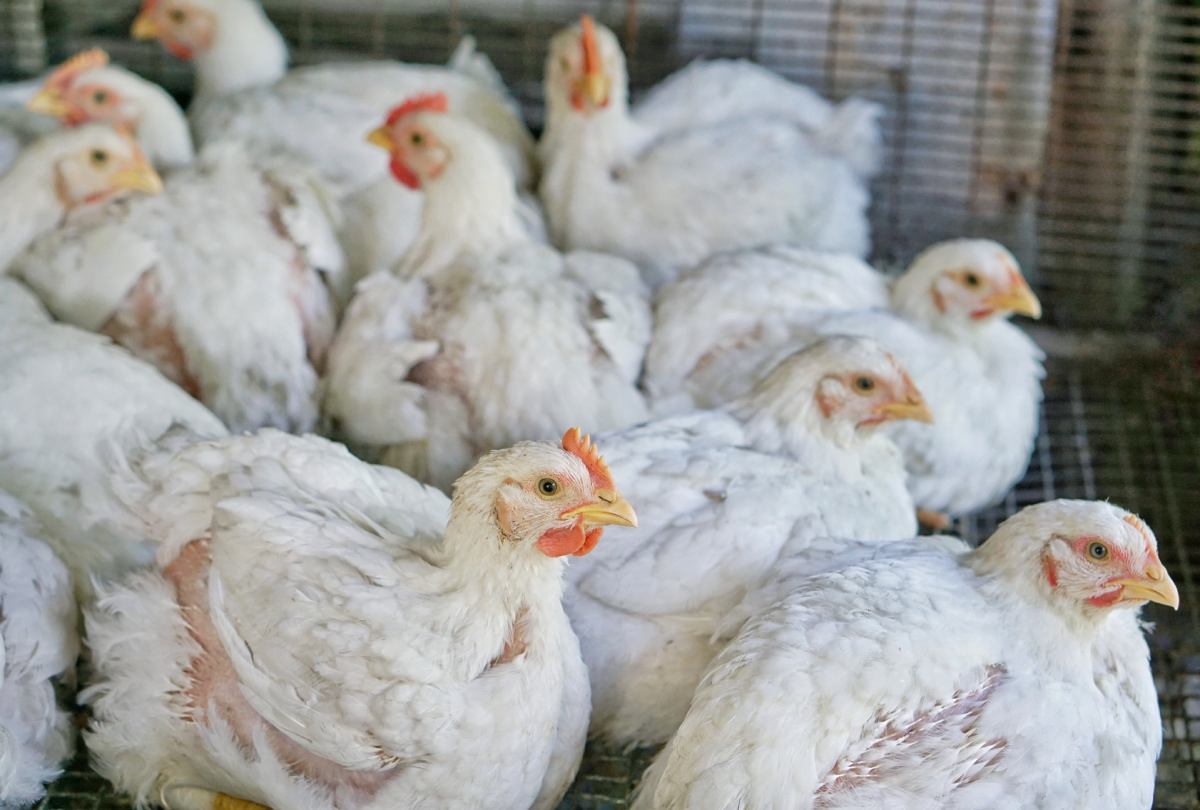
Laying hens are already being kept in the flock for longer, and this trend is set to continue. This is made possible, on the one hand, by breeding advances towards longer laying persistence and, on the other hand, by improved animal health and optimised management. In the case of broiler chickens, improved intestinal health can help to reduce the need for antibiotics. Accordingly, several products and feed additives designed to promote intestinal health have been registered as new products for EuroTier 2026.
Self-propelled film-covered poultry houses
Mobile poultry houses are all the rage. They regularly provide laying hens and broiler chickens with new grazing areas and, at the same time, prevent nitrogen and phosphorus from leaching into deeper soil layers by ensuring a more even use of grassland.
One example of this is the “ROVABARN SE”, a film-covered poultry house produced by UKKÖ Robotics Inc. Not only can water and feed consumption be monitored via an app, the poultry house can also move autonomously across the area up to 20 times a day, thereby continually providing the hens with fresh space within the house. The film-covered house effectively combines the advantages of a mobile poultry house system with a high degree of automation. This further development was awarded a silver medal by the DLG’s Innovations Commission.
Significantly fewer cracked eggs
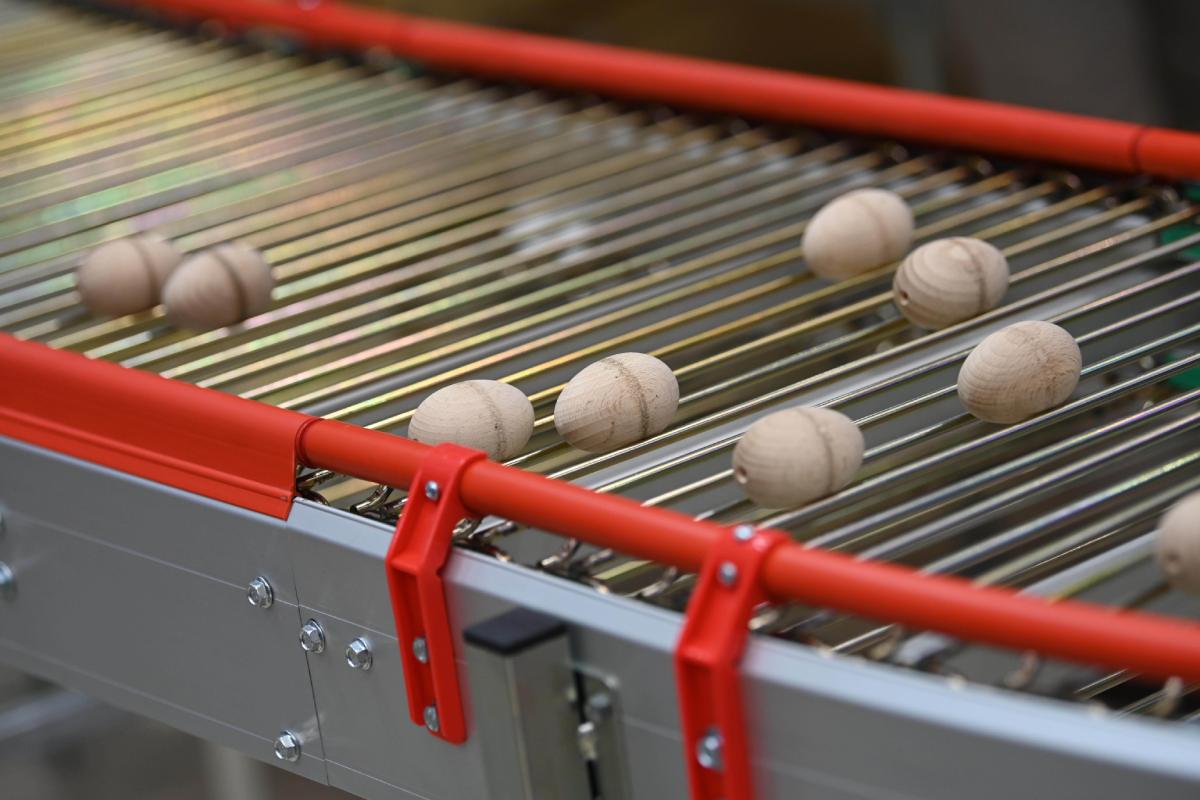
Optimised transport systems for eggs in laying hen houses can significantly reduce the proportion of cracked eggs. To this end, smart data-logging eggs are used, which enable impacts to be identified precisely.
The new, innovative “Electronic Egg” from Bröring Technology GmbH can be operated in the hen house even without a computer. The intensity of the impacts is displayed directly via different coloured LEDs, enabling problem areas to be pinpointed precisely on the transport system. Further development of the electronic egg enables quick, easy analysis of egg transport systems and was also awarded a silver medal.
Source: DLG press release
Apa Reaksi Anda?
 Suka
0
 Kurang Suka
0
 Setuju
0
 Tidak Setuju
0
 Bagus
0
 Berguna
0
 Hebat
0