




































Philippines: chicken production reaches record high, while farmgate prices decline
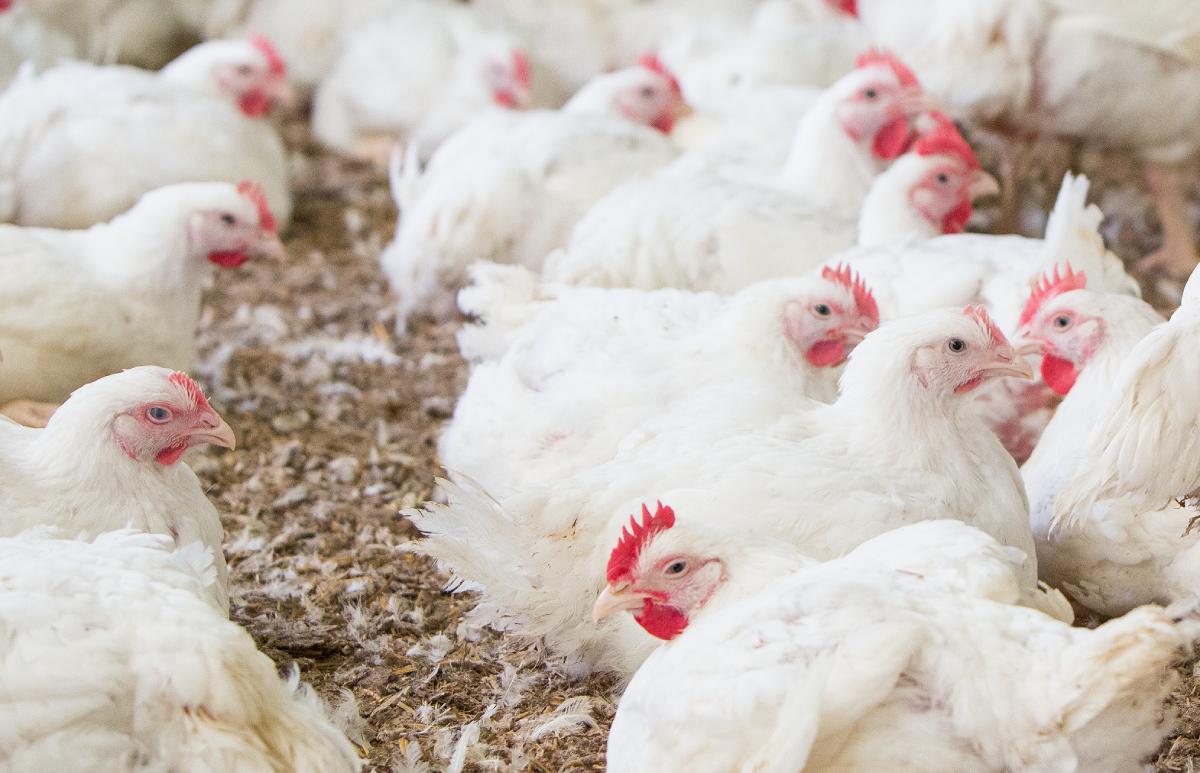
Chicken production in the Philippines reached a new second-quarter record in 2026. Higher supplies of chicken and eggs coincided with lower farmgate prices during the quarter, while rising production and inventory levels point to continued expansion of the sector.
According to preliminary data from the Philippine Statistics Authority (PSA), chicken production reached 586,181 tonnes liveweight between April and June, up 4.1% from 563,038 tonnes in the second quarter of 2025. This was the highest second-quarter level recorded by the authority since 1997.
Broilers drive output growth
Broilers accounted for 87.8% of total quarterly output, at 514,496 tonnes. Native and improved chickens contributed 61,900 tonnes, or 10.6% of production, while culled layers accounted for 8,286 tonnes, equal to 1.4% of the total.
Central Luzon remained the country’s leading producing area, with 193,724 tonnes, representing around one-third of national production. It was followed by Calabarzon with 123,635 tonnes, Northern Mindanao with 41,568 tonnes, Soccsksargen with 31,363 tonnes, and Central Visayas with 30,664 tonnes.
The national chicken inventory also increased. As of June 30, 2026, the national flock stood at 228.49 million birds, up 7.4% year on year. Native and improved chickens represented 35.2% of the total, followed by broilers at 34.9%, layers at 25.8%, and gamefowl at 4.1%.
Farmgate prices fall
Higher production coincided with weaker prices at farm level. The average farmgate price of broiler chicken fell to PHP 116.38 per kg liveweight in the second quarter, down 8.1% from PHP 126.63 per kg in the same period of 2025.
The same pattern was seen in the egg market. National egg production rose by 13.2% to 235,152 tonnes, while the laying flock increased by 7.3% to 80.53 million birds. At the same time, the average farmgate price of eggs declined by 7.9% to PHP 6.30 per egg, from PHP 6.84 a year earlier.
The available data show that higher production and inventories coincided with lower producer prices during the second quarter, but they do not by themselves establish that the increase in supply was the direct cause of the price declines.
Further expansion expected in 2026
According to projections published by the USDA Foreign Agricultural Service in Manila in September 2025, Philippine chicken meat production is forecast to reach 1.81 million tonnes ready-to-cook (RTC) in 2026, up 7% from the USDA’s 2025 estimate of 1.69 million tonnes.
The USDA identified several factors supporting the expected expansion, including the commercial rollout of a vaccine against highly pathogenic avian influenza (HPAI), enhanced biosecurity measures adopted by poultry farms, the continued impact of African swine fever (ASF) on local pork supplies, and strong performance in the foodservice sector.
Chicken consumption is also forecast to remain strong. The USDA projects domestic chicken meat consumption at around 2.38 million tonnes in 2026, approximately 6% above its 2025 estimate. The agency attributes the expected increase to chicken’s relatively competitive retail price compared with other major animal proteins, growing consumer preference, wide availability, population growth and economic expansion.
Imports remain relevant
Despite the expected increase in domestic production, imports are forecast to remain an important component of the Philippine chicken market. The USDA estimates chicken meat imports at 560,000 tonnes in 2026, up about 2% from its 2025 estimate of 550,000 tonnes.
According to the USDA, the projected increase in imports is supported by population-driven demand and the competitive pricing of imported chicken. The lifting of temporary trade restrictions related to HPAI, together with an increase in the number of accredited foreign suppliers, is also expected to facilitate larger volumes entering the Philippine market.
The Philippine poultry sector is therefore experiencing strong production growth, accompanied by rising inventories and expectations of further expansion in 2026. At the same time, the decline in farmgate prices for broilers and eggs during the second quarter shows that increased production and availability coincided with weaker producer prices, although the available data do not establish a direct causal relationship between the two.
Apa Reaksi Anda?
 Suka
0
Suka
0
 Kurang Suka
0
Kurang Suka
0
 Setuju
0
Setuju
0
 Tidak Setuju
0
Tidak Setuju
0
 Bagus
0
Bagus
0
 Berguna
0
Berguna
0
 Hebat
0
Hebat
0