





































Kromm: Tangible metrics are necessary to balance antimicrobial use data in antimicrobial stewardship programs
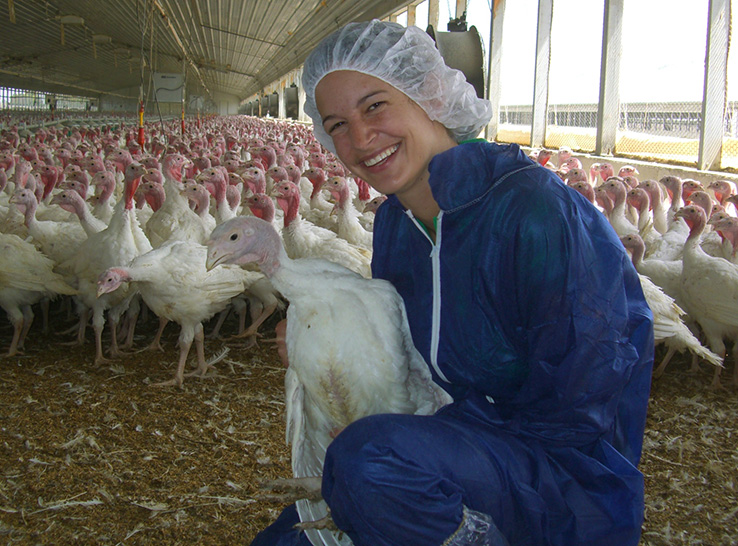
By Michelle Kromm, DVM, MPH, MAM, DACPV
Food Forward, LLC
Minneapolis, Minnesota
As the term “antimicrobial stewardship” has become widely adopted across various sectors and industries, including human, animal and plant health, its meaning has been diluted or completely misapplied. Even in academic circles, the terms “antimicrobial stewardship” and “antimicrobial use” are often used interchangeably.
The measurement of antimicrobial use in any setting can be integrated into an overall antimicrobial stewardship program. However, antimicrobial use is not the only metric that should be captured, analyzed and utilized to guide the continuous evolution of antimicrobial stewardship practices and policies.
Rather, a more holistic picture of stewardship can be shaped by including metrics that reflect prevention strategies aimed at avoiding or reducing the frequency of antimicrobial intervention.
Metric #1: vaccines
There are multiple preventive medicine practices in poultry production that help reduce the risk of disease and, therefore, antimicrobial intervention. One of the most apparent is the use of vaccines to reduce the impact of bacterial, viral or protozoal disease. Reducing both the incidence and impact of infection subsequently ameliorates the need for an antimicrobial intervention.
Yet, given the significant role vaccines play in reducing antimicrobial use, vaccine utilization rates are not captured or framed as part of antimicrobial stewardship programs. Additionally, the number of vaccine doses is already widely tracked by accounting systems and could be easily summarized and reported.
Metric #2: feed additives
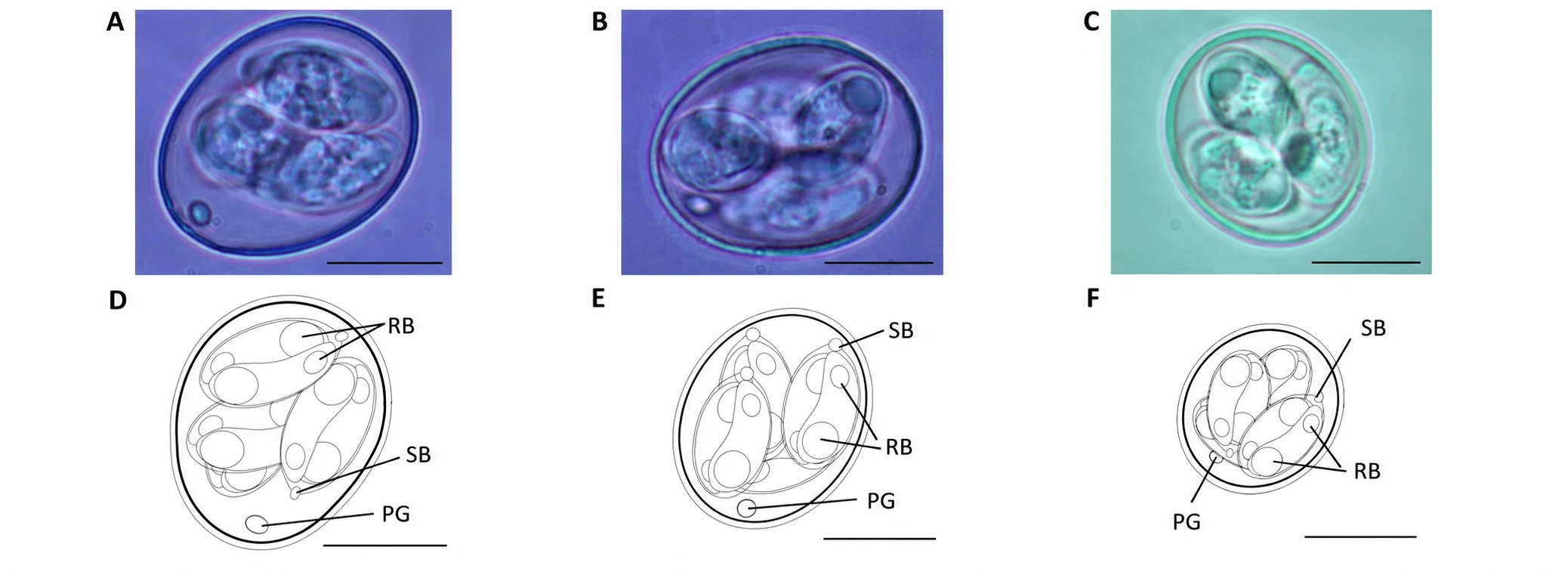
With the adoption of “antibiotic-free,” “raised without antibiotics” and “no antibiotics ever” label claims, pre-, pro- and post-biotics have become common prevention and health-support tools in the poultry industry. The broadening landscape of intervention indicates increased investment in preventive medicine programs, all of which play a role in antimicrobial stewardship. Additionally, phytobiotic-based therapies continue to play a role in maintaining gastrointestinal health in the face of pathogen pressure, such as coccidia.
As with vaccine use, many companies are accounting for the dollars spent on products that support health, which could be expressed as a straight investment per pound or, potentially, compared to dollars spent on antimicrobials on a percentage basis.
Metric #3: environmental management
Litter quality and management play critical roles in both the health and welfare of poultry flocks. Management of ventilation settings, air quality and litter quality, as well as the interactions among the three, is recorded on every service report. The cost of maintaining appropriate environmental conditions is a common discussion point when reviewing any live-production accounting report. The missing lens is that reducing only improves production but also serves as a cornerstone of antimicrobial stewardship.
Although more difficult to articulate in straight numbers, metrics that demonstrate investment in optimizing environmental conditions should be included in antimicrobial stewardship reporting. Examples of metrics include dollar amounts spent on litter amendments or man-hours windrowing per pound of live weight.
In addition to managing the litter and its microorganisms through various mitigation measures, producers also spend money and time reducing the pathogen load throughout the barn environment. Preventive measures such as physical cleaning of barn surfaces, using an effective disinfectant between flocks and monitoring water sanitation during the life of the flock are mitigation strategies that play central roles in a farm’s antimicrobial stewardship program. The downtime between flocks for critical pathogen abatement has a financial impact, so these steps should be framed as investments in antimicrobial stewardship as well.
Metric #4: disease surveillance
To ensure prevention programs are optimized, poultry companies put resources toward disease surveillance and diagnostics. Animal health companies conduct routine health surveys at the complex level to inform macro-level disease trends and any subtle shifts in the occurrence of certain pathologies. These surveys, when conducted over time, can inform when preventive medicine programs are no longer effectively mitigating disease pressures.
Serosurveillance is often used, especially in egg-producing flocks which have longer life spans, as an additional data source. Serology, along with health checks, can indicate when disease pressures have increased or changed enough to warrant an update to an autogenous vaccine, for example.
Although not as proactive, diagnostic workups of morbidity and mortality events also play a key role in antimicrobial stewardship programs. Identifying the underlying cause of death — whether pathogenic, environmental, nutritional or a combination of factors — can further clarify where a program failed. Identifying the root cause of this failure provides data to improve the preventive medicine program.
Reporting data on the number of serologic tests conducted, the frequency of health surveys and adjustments to vaccine programs is important for presenting a more holistic view of preventive medicine and antimicrobial stewardship programs.
Room to improve
Although many aspects of preventive care are going well, investments in a few key areas would be tremendously helpful in advancing antimicrobial stewardship in the poultry industry. For example, in the vaccine space, platform technologies that support mass application — applying vaccine through the air, water or feed — are needed. These platform technologies do exist, but their application or availability in poultry is limited.
Vaccine programs could be further customized, and the timeline for new serials could be compressed, if mass application of platform vaccines were possible. An additional benefit would be making the vaccines available for “minor” species (turkeys and egg-laying chickens) or for less common yet still impactful diseases. It is currently very difficult for an animal health company to justify investing in traditional vaccines for these applications, due to the upfront costs and small market size.
Despite our rapidly evolving diagnostic capabilities — think about how commonplace sequencing-based diagnostics have become over the last 5 to 10 years — antimicrobial sensitivity testing (AST) remains impractical in many ways. The delay in getting results often means birds are treated without knowing AST results, or samples are never submitted for AST.
Even if AST is performed, most poultry pathogens lack established breakpoints, making it difficult to interpret the AST results. In the age of sequencing and artificial intelligence, point-of-care testing needs to be a reality. Screening a swab collected from infected tissue for antimicrobial resistance genes and referencing the phenotypic expression of resistance to quickly inform therapy choices would represent a significant evolution in our approach to antimicrobial stewardship.
Final thoughts
Poultry flock owners and their veterinarians have made incredible strides in antimicrobial stewardship, reflected by the time and capital invested in developing, monitoring and refining preventive medicine programs. Discussing these efforts intentionally can help create a more holistic picture of stewardship practices.
Creating metrics to document adoption and investment in preventive-care tools, aligned with those used to capture antimicrobial use, is critical to supporting this more comprehensive approach. The metrics don’t have to be new numbers; they are numbers already being collected in existing accounting systems.
Editor’s note: The views expressed in this article are solely those of the author.
The post Kromm: Tangible metrics are necessary to balance antimicrobial use data in antimicrobial stewardship programs appeared first on Modern Poultry.
Apa Reaksi Anda?
 Suka
0
Suka
0
 Kurang Suka
0
Kurang Suka
0
 Setuju
0
Setuju
0
 Tidak Setuju
0
Tidak Setuju
0
 Bagus
0
Bagus
0
 Berguna
0
Berguna
0
 Hebat
0
Hebat
0