
























Spread the shed: Why vaccines can play a big role in turkey producers’ coccidiosis control toolbox

Turkey producers are increasingly turning to coccidiosis vaccines not just to control disease, but to preserve the efficacy of other tools they rely on.
Speaking on the Iowa Turkey Federation’s Turkey Talkshow podcast, two industry experts said vaccines can play a central role in overall coccidiosis management strategies, provided the industry uses them judiciously.
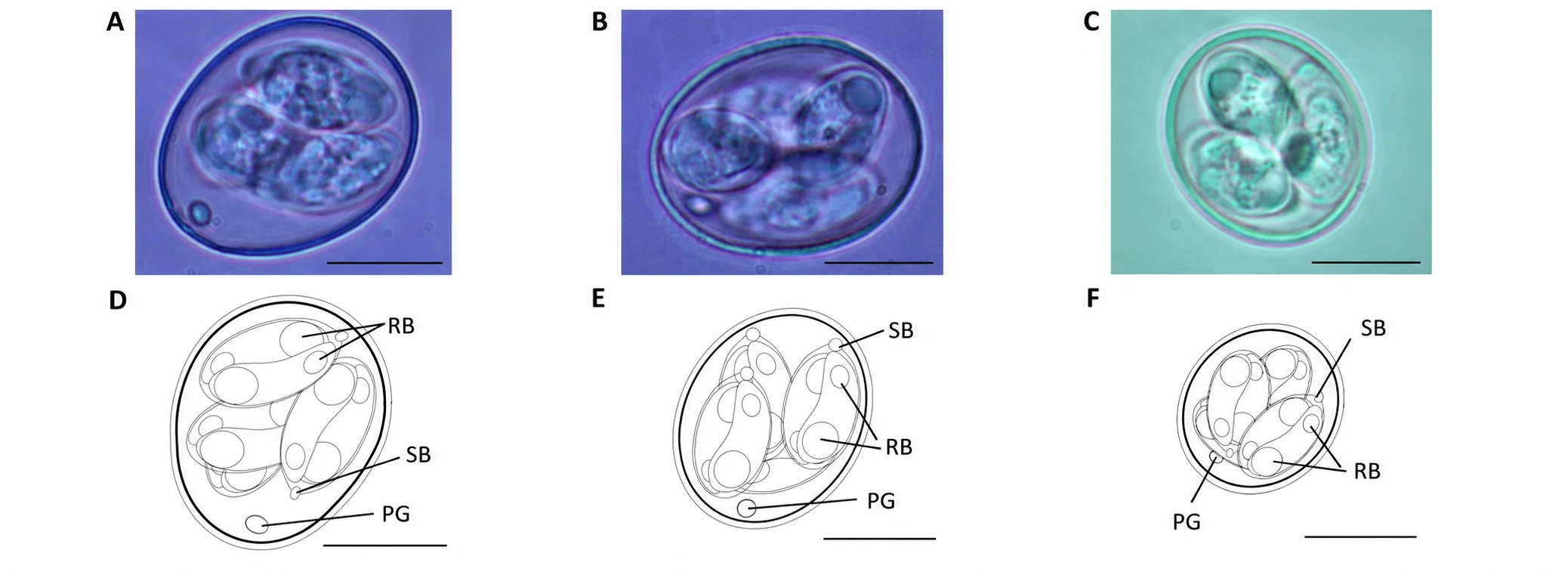
The disease is caused by Eimeria protozoan parasites, which have a life cycle of around 7 days and infect birds’ digestive tracts.
It exerts significant economic pressure on turkey production in the US due to reduced feed conversion, growth and mortality.1
Although turkey coccidiosis can be more difficult to spot than in broilers, the “textbook sign” is watery feces, explained Steven Clark, DVM, Huvepharma’s veterinary technical services manager.
Tools available to help producers manage the condition include chemicals, ionophores and vaccines — with the latter being the most recent addition.
Good coverage with safety
Just two vaccines are approved by the USDA for use against coccidiosis in turkeys, and Huvepharma’s product is the only one containing oocysts of all three pathogenic and prevalent turkey Eimeria coccidia species US turkey producers can face: E. adenoeides, E. meleagrimitis and E. gallopavonis.
Crucially, the strains used in the vaccine are highly immunogenic but not pathogenic. One dose safely provides immunity to one poult.
“That means they have a [verified] degree of safety when we use these products correctly,” Clark explained.
Vaccines are generally administered in the turkey industry using gel droplets, either via a spray cabinet at the hatchery or on day one at the farm. The gel sticks to birds’ feathers, leading to consumption when they preen themselves or other birds.
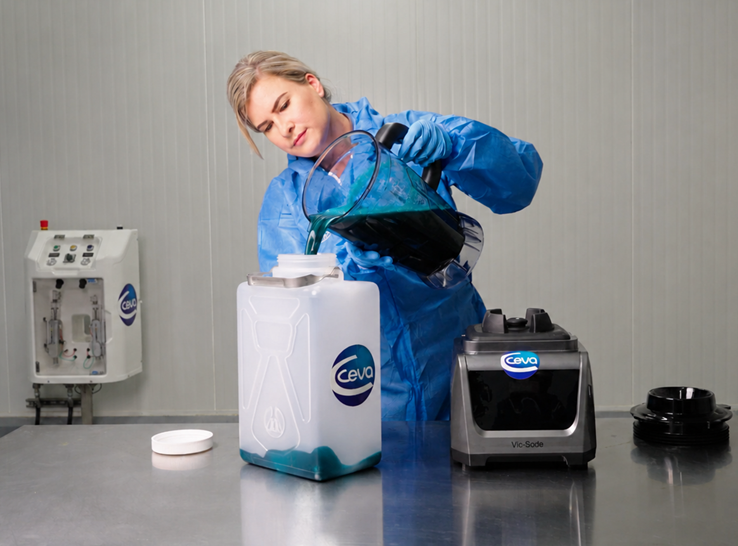
Elizabeth Beilke, DVM, West Liberty Foods’ corporate veterinarian, who joined Clark on the podcast, noted that gels dyed green are popular due to turkeys’ preference for the color. It also means that farmers can easily open birds’ beaks to see green tongues if they choose to check.
“The key with cocci vaccination is that, because we are giving them the oocysts at day 1, and the shedding cycle takes 6 to 7 days, we want to give it to them, we want them to eat it and then we want them to get on food and water right away [to] start that cycling,” Beilke said.
Helping achieve even exposure
Getting an even vaccination is not just about bird behaviors; farmers can also do their part to ensure that turkeys are properly exposed to vaccine oocysts, Clark said.
“In the first 7 days, it’s about keeping the birds in a confined situation, so all the birds have the opportunity to pick up the oocysts they’re shedding,” he said.
“Then we want them to spread the shed throughout the barn. That’s when we open up the [rings in the] barn. Now the birds are spreading the oocysts throughout the whole barn evenly… They’re not going to get too much, they’re not going to get too little, and therefore we have controlled exposure and [they develop] full immunity.”
Checking in on vaccine success
Beilke emphasized the importance of surveillance to check vaccine efficacy in turkey houses over multiple days through sampling droppings, noting that if no vaccine strains are picked up on day 5, it doesn’t mean it wasn’t successful.
Sampling over days 5 to 7, then around days 11 to 14 to capture a second cycling, should present a clear picture, she said.
“What we’re looking for is a nice pyramid. We want to see a nice peak in those oocysts, meaning that [the birds are] definitely picking them up from the environment, pooping them out and their bodies have responded to them. Usually, after that nice peak, they’ll come down and they have immunity.”
Resensitizing environments, preserving control options
Beilke and Clark agreed on the pivotal role of vaccines in giving turkey farmers what they need against a ubiquitous disease challenge.
“We have a lot more tools in our toolbox today… For years, all we had were two ionophores, and what we have learned is that cocci have figured those two drugs out,” Beilke said.
“Now we have other chemicals available and cocci vaccines to help us resensitize our environments and keep all these tools in our toolbox for a longer period of time instead of losing them. Because we don’t need to lose any more tools.”
Clark pointed out the example of a colleague who recently noted that the industry doesn’t need more tools, but simply needs to use what it already has better.
“I think we can do that with really good vaccines. With a safe and effective vaccine, we know that [Eimeria] is going to be sensitive to the anticoccidials, so we can come back in and use those effectively later,” he said.
“The vaccine strains are well researched, so we understand what they can do and how they develop immunity without causing disease, and that’s what we want.”
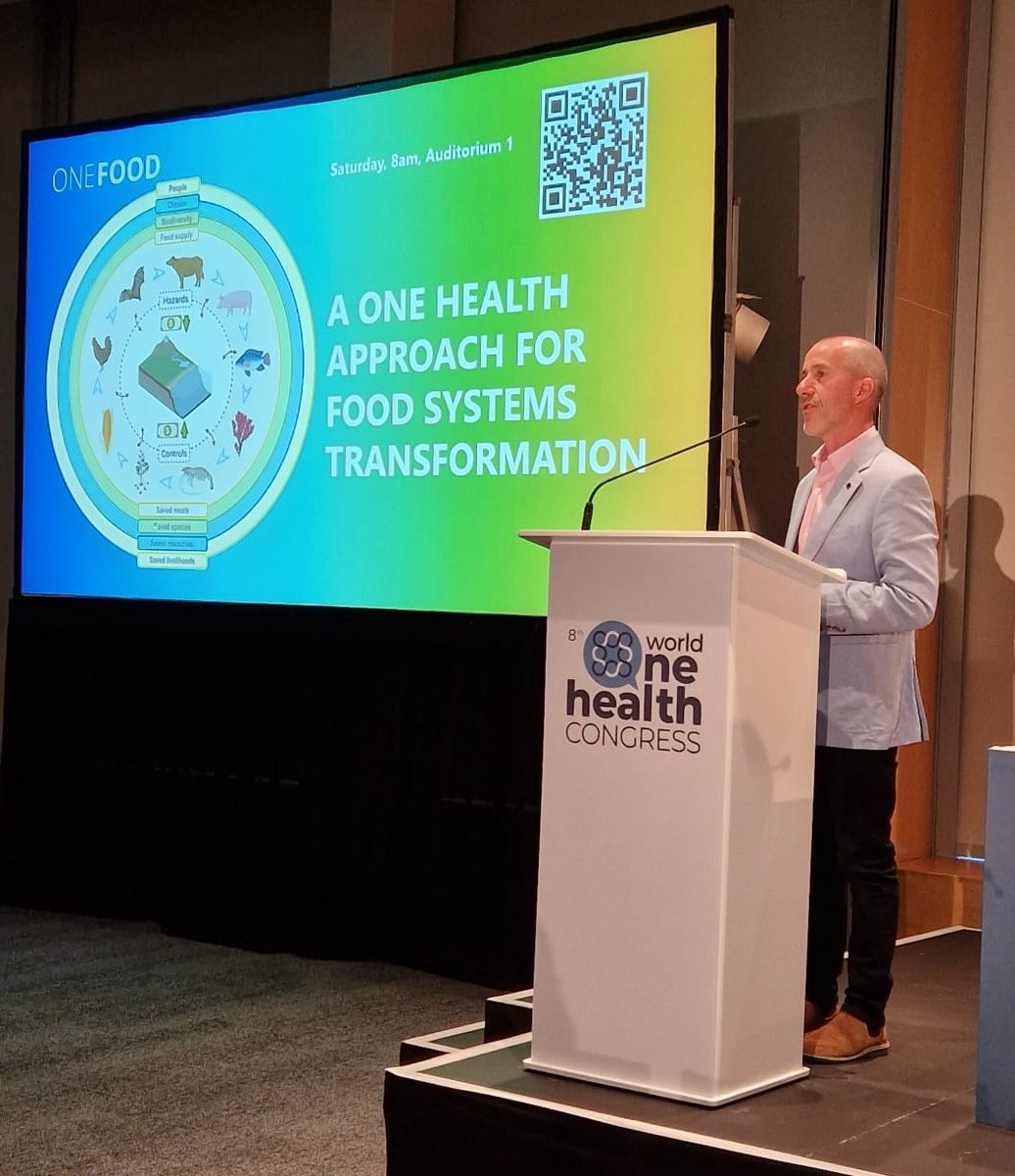
Listen to the full episode via the , or use the QR code:

1 Chapman HD. 2008. Coccidiosis in the turkey. Avian Pathology. 37(3):205–223.
The post Spread the shed: Why vaccines can play a big role in turkey producers’ coccidiosis control toolbox appeared first on Modern Poultry.
Apa Reaksi Anda?
 Suka
0
Suka
0
 Kurang Suka
0
Kurang Suka
0
 Setuju
0
Setuju
0
 Tidak Setuju
0
Tidak Setuju
0
 Bagus
0
Bagus
0
 Berguna
0
Berguna
0
 Hebat
0
Hebat
0