

































New Zealand moves to require bird flu biosecurity plans for poultry farms
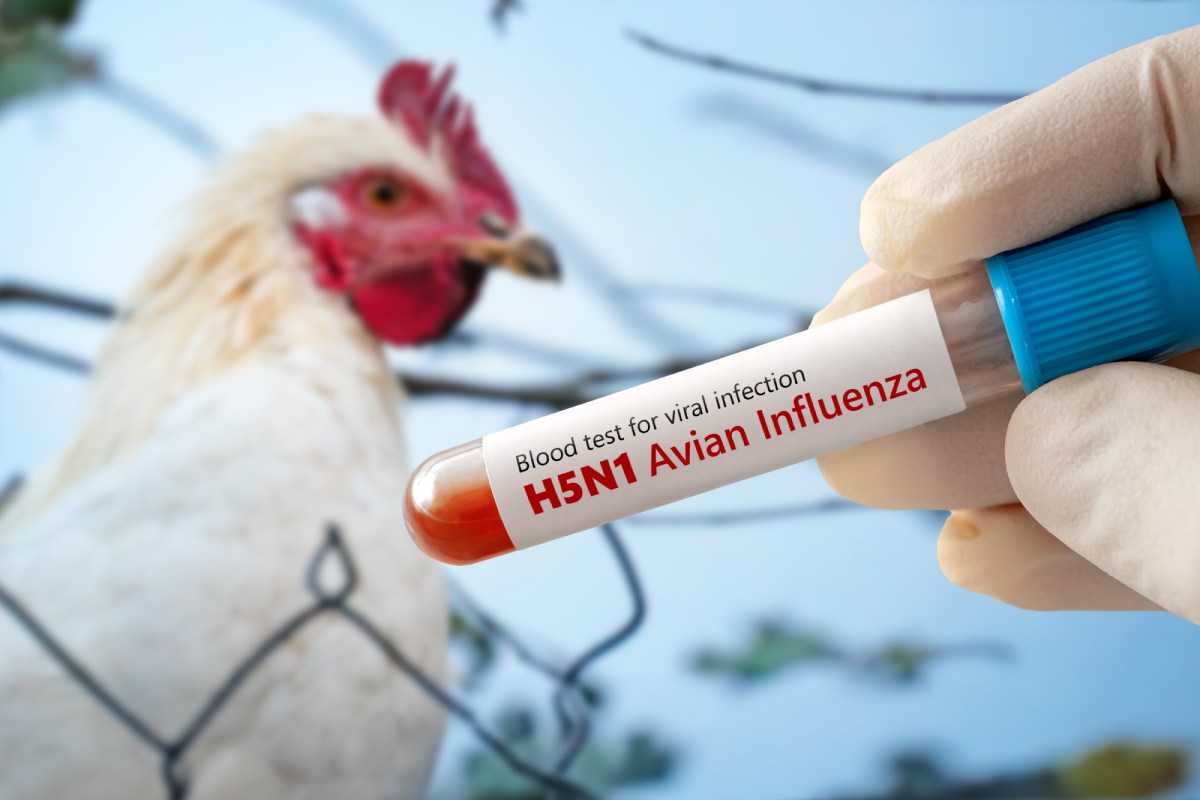
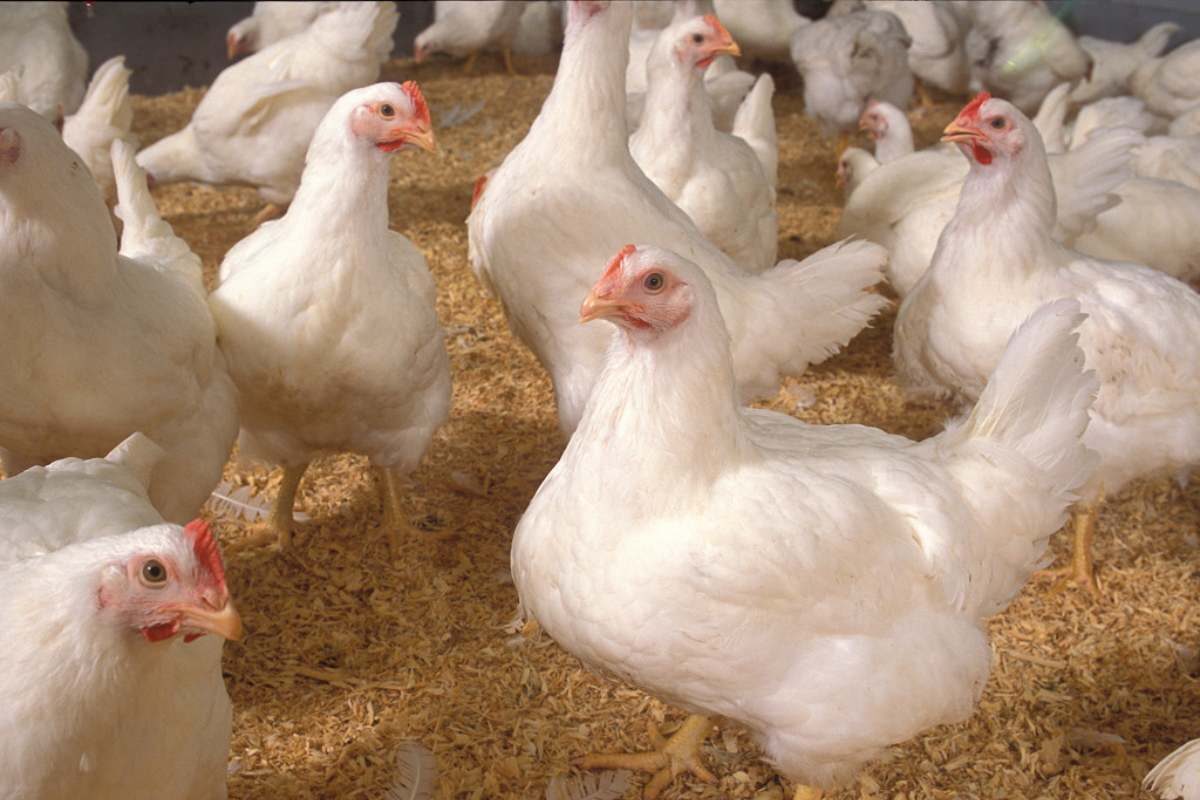
New Zealand is set to tighten farm-level preparedness for highly pathogenic avian influenza, with regulations that would require commercial poultry operators to develop and implement formal biosecurity plans to manage the risk of H5N1. The proposed framework is part of a wider government strategy to reduce the impact of a possible outbreak on poultry production, animal health and food supply.
Under regulations approved by Cabinet, commercial poultry operators with more than 100 birds will be required to develop, register and implement farm biosecurity plans for avian disease, covering measures such as disease prevention, depopulation, disposal, cleaning and disinfection, record-keeping, auditing and compliance requirements. The regulations will make farm biosecurity a legal requirement rather than a voluntary industry practice.
The Ministry for Primary Industries says the framework has been developed in close cooperation with the poultry industry, which entered into a Government Industry Agreement with the government in 2025 to prepare for and respond to exotic poultry diseases, including H5N1. MPI also notes that rigorous on-farm biosecurity remains the best way to protect individual farms from infection, especially through measures that limit contact with wild birds and strengthen hygiene, access control and containment.
The move comes after New Zealand confirmed its first detection of H5N1 clade 2.3.4.4b in a brown skua on 15 July 2026. While no infections have been reported in commercial poultry, officials expect the virus to become established in wild bird populations, making stronger farm biosecurity an important safeguard for the poultry sector.
Apa Reaksi Anda?
 Suka
0
Suka
0
 Kurang Suka
0
Kurang Suka
0
 Setuju
0
Setuju
0
 Tidak Setuju
0
Tidak Setuju
0
 Bagus
0
Bagus
0
 Berguna
0
Berguna
0
 Hebat
0
Hebat
0