

































Synbiotic supplementation delivers gut, skeletal benefits beyond growth performance in commercial broilers

Interpretive summary by Ashen Epa Arachchi, University of Arkansas
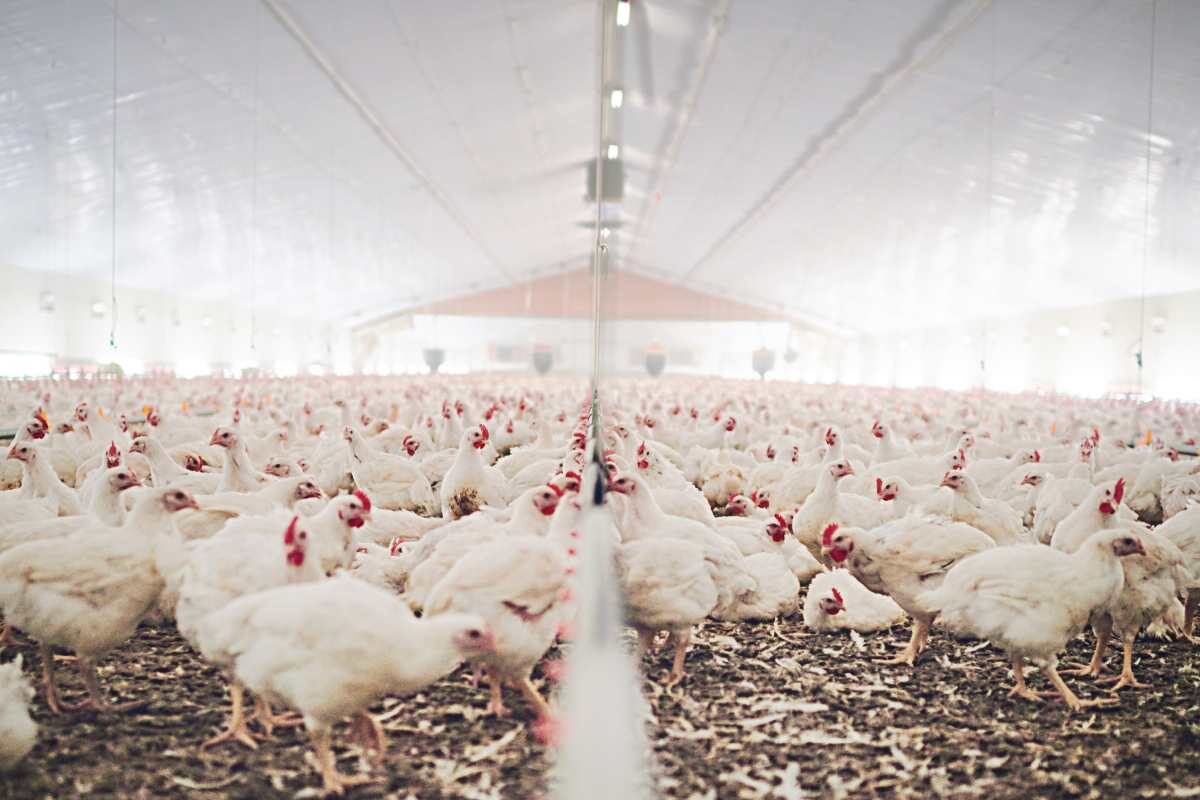
Modern broiler production faces the dual challenge of sustaining high growth efficiency while reducing reliance on antibiotic growth promoters. Although genetic selection has accelerated growth rates, it has also increased susceptibility to gut dysfunction, skeletal weakness and welfare concerns. Consequently, feed additives that enhance intestinal integrity and skeletal development without adversely affecting performance are increasingly important to the poultry industry.
Synbiotics, which combine prebiotics and probiotics, are designed to support beneficial gut microbiota while improving intestinal structure and function. However, their commercial adoption depends on consistent responses across broiler strains and measurable benefits under practical rearing conditions.
Study design
In a recent study published in European Poultry Science, researchers evaluated the effects of a synbiotic containing fructooligosaccharides and multiple probiotic strains (Enterococcus, Bifidobacterium, Pediococcus and Lactobacillus spp.) on growth performance, intestinal morphology, tibia characteristics and cecal microbiota in Cobb 500 and Ross 308 broilers.
Six hundred male broilers were fed a basal diet, an antibiotic-supplemented diet or a synbiotic-supplemented diet (0.5 g/kg) for 35 days. Importantly, both genetic strain and diet were considered, yielding results directly relevant to integrators using different commercial broiler lines.
Variable synbiotic effects
The study showed that synbiotic supplementation had no negative effects on overall weight gain, feed intake and feed-conversion ratio (p > 0.05) in either strain. However, Cobb 500 broilers consumed more feed (p < 0.0001) and achieved greater bodyweight gain over the full rearing period (p < 0.01) than Ross 308 birds, confirming known strain-related performance differences.
The absence of negative performance effects from synbiotic supplementation is notable, indicating that replacing or reducing antibiotics did not compromise productivity under thermoneutral conditions.
Although growth performance remained unchanged, synbiotic supplementation significantly improved indicators of gut health. Broilers fed the synbiotic exhibited greater duodenal villus height than control and antibiotic-fed birds (p < 0.01), along with reduced villus width (p < 0.05).
These structural changes reflect enhanced intestinal absorptive surface area and improved epithelial efficiency, outcomes that may not immediately translate into higher bodyweight but are critical for nutrient utilization, disease resilience and long-term flock stability.
From an industry standpoint, skeletal health findings were particularly relevant. Synbiotic-fed birds showed higher tibia weight (p = 0.02) and increased tibia dry matter content (p = 0.008) than birds receiving antibiotics, despite no differences in bone-breaking strength (p > 0.05). Given the economic and welfare costs associated with leg disorders in fast-growing broilers, improvements in bone mineral characteristics may enhance skeletal robustness under commercial stressors such as high stocking density or heat stress.
Cecal bacterial populations, including Lactobacillus spp., Clostridium spp. and Escherichia coli, were not significantly altered by diet or strain (p > 0.05), and Salmonella was not detected in any group. This suggests that synbiotic supplementation was microbiologically safe and did not disrupt intestinal microbial balance.
Why is this study important for the producers?
- Synbiotics provided measurable gut and bone benefits without compromising growth performance, supporting antibiotic-reduction strategies.
- Positive responses were consistent across Cobb 500 and Ross 308, increasing confidence in broad commercial application.
- Improvements in intestinal architecture and tibia quality may enhance bird resilience, reducing welfare issues and long-term production losses.
Overall, this study highlights that synbiotics can provide valuable physiological benefits that support sustainable, antibiotic-conscious broiler production, even when short-term performance gains are not immediately evident.
The full paper can be found in European Poultry Science and is available online here.
Editor’s note: Content on Modern Poultry’s Industry Insights pages is provided and/or commissioned by our sponsors, who assume full responsibility for its accuracy and compliance.
The post Synbiotic supplementation delivers gut, skeletal benefits beyond growth performance in commercial broilers appeared first on Modern Poultry.
Apa Reaksi Anda?
 Suka
0
 Kurang Suka
0
 Setuju
0
 Tidak Setuju
0
 Bagus
0
 Berguna
0
 Hebat
0