






























Kogut: the good, bad and ugly of gut inflammation in poultry health

Inflammation is often thought of as harmful, but it can also wear a white hat. Michael Kogut, PhD, lead research microbiologist at the USDA-ARS, College Station, Texas, has tackled the often-misunderstood topic of poultry gut inflammation. At last year’s Poultry Science Association annual meeting, he reframed inflammation not as a purely harmful process but as a critical, multifaceted regulator of physiology.
“Inflammation is always ongoing. It is a monitor and an assessor. It’s looking over that animal’s well-being,” Kogut stated.
Rethinking inflammation
Kogut addressed what he views as a misunderstanding of what inflammation is. Often viewed as a reaction to injury or infection, he argued that inflammation must be understood more broadly as a systemic physiological regulator. “Inflammation is much more than a specific response to some sort of injury,” he explained.
Kogut emphasized that “we are so in tune that inflammation is due to a response to a pathogen, we don’t realize how much more inflammation is involved in regulating an animal’s physiology.”
He stated that inflammation is not merely an immune response; it is “a regulatory function that affects multiple systems.”
He also emphasized the importance of homeostasis. Kogut believes the relationship between inflammation and homeostasis is vital to poultry health and performance. “Inflammation contributes to maintaining homeostasis across systems and monitors structural and functional integrity in the bird’s body,” he said.
Role of homeostasis
Kogut stressed that homeostasis lies at the heart of understanding inflammation. “Homeostasis is the basis of what we need to understand about inflammation,” describing homeostasis as a balance among host, microbiota and environment.
“Homeostasis is the bugs and the host working together to keep things normal so that the bird can meet its genetic potential,” he noted.
He said that the term dysbiosis, which is typically used to describe microbial imbalance, is incorrect because it overlooks the host’s role. “Because the host is providing the environment for the microbiota,” Kogut asked, “isn’t it logical that dysbiosis really results from a dysfunction of homeostasis?”
This train of thought positions gut health as a dynamic partnership between the bird and its microbiota, with both influenced by environmental factors. In poultry, he said, diet is a particularly important factor.
The good: physiological inflammation
In the “good inflammation” category, Kogut described homeostatic inflammation as the ideal state. “This is where the receptors are. They’re waiting, and they’re watching what’s going on in the bird,” he explained.
This constant, energy-efficient monitoring helps maintain equilibrium without harming the animal, ensuring that physiological systems operate smoothly. This interpretation, he said, reinforces the notion that some inflammation is beneficial and necessary.
He pointed out that for poultry, health is measured by performance, not the absence of disease. “Our end readout for poultry is performance,” Kogut said. “Have they reached their genetic potential? That’s homeostatic. That is health to a bird and to us as poultry producers.”
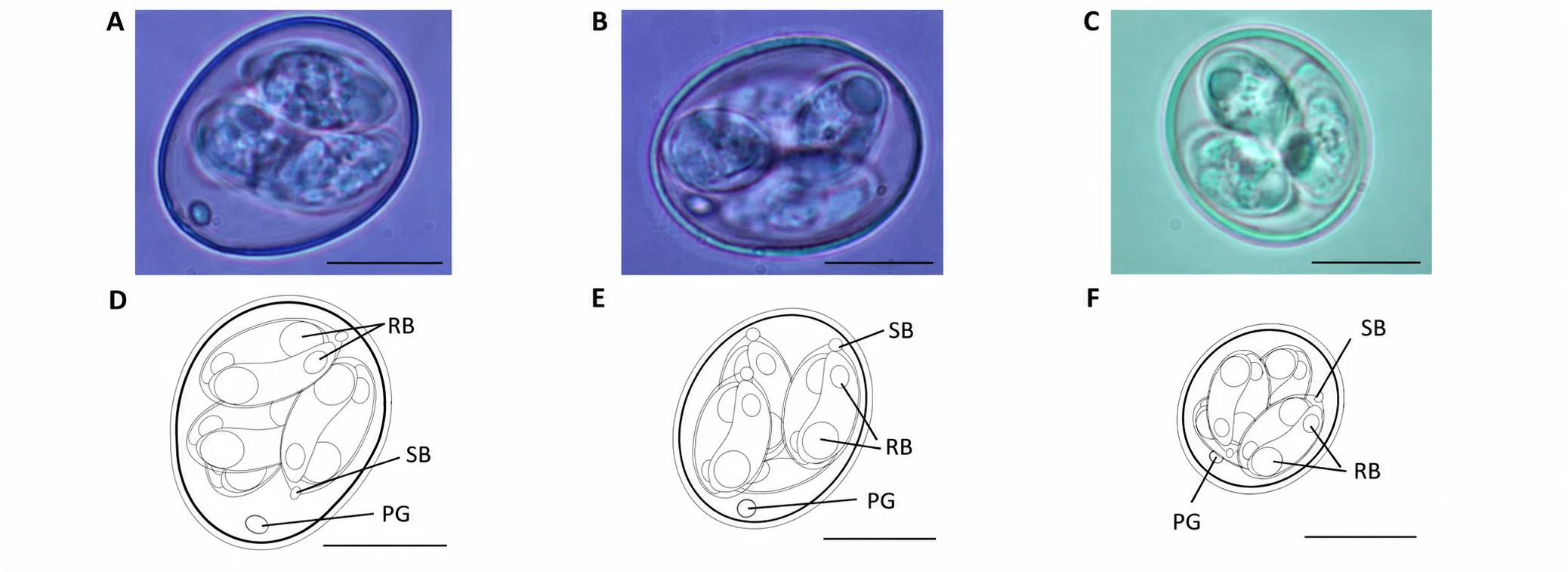
He used coccidiosis, which causes temporary cell damage and nutrient absorption issues that lead to inflammation, as an example. The inflammation caused by coccidiosis helps with tissue repair, and the body then restores balance.
The bad: acute inflammation
Infection or injury causes acute, short-term inflammation, but Kogut believes that bad inflammation is more than pathological.
Acute inflammation, he said, activates receptors that recognize some sort of dysfunction. Once the immune system removes the cause, the body returns to normal function. “Acute inflammation, while costly in energy, is beneficial when it successfully resolves the trigger and restores homeostasis.
“But then we get to the ugly. And here it means a somewhat dramatic change, because we’re not necessarily talking about an infection,” Kogut explained.
The ugly: chronic inflammation
The “ugly” side of inflammation is chronic inflammation, which is ongoing, long-lasting and can impact performance.
Kogut pointed out that chronic inflammation often goes unnoticed because birds aren’t dying. “Unlike acute inflammation, chronic inflammation doesn’t fade. It persists silently, weakening performance and profitability, and keeping birds from achieving their genetic potential.”
He highlighted two major, noninfectious triggers of chronic gut inflammation in poultry: excessive nutrients and heat stress.
Poultry can have two types of diet-induced chronic inflammation. One is caused by ingredients in the feed, and the other by continuous access to feed, leading to excess nutrients and low-grade metabolic inflammation. “It’s not infectious,” he said, “but with prolonged excess nutrient intake, the system is flooded, and the bird’s immune system reacts to the nutrient overload.”
Similarly, heat stress causes a major inflammatory response in the gut. Although heat stress doesn’t involve pathogens, he noted that it damages the gut lining and microbiota, leading to a loss of structural integrity.
Heat stress initiates a cycle of cell lysis that leads to leaky gut and other issues associated with chronic inflammation. “Chronic inflammatory triggers depress growth and feed conversion, producing economic consequences even in apparently healthy flocks,” Kogut said.
A broader concept of inflammation
Citing Metzclaus’ research, Kogut argued that inflammation’s role transcends immunity. “It is literally a regulator of the physiology of the animal,” he emphasized. This regulatory network interacts with metabolism, thermoregulation and the nervous system, making inflammation “a monitor of the general well-being of that animal.”
He urged producers to shift their mindset from crisis management to proactive balance. “Are we maintaining homeostasis in that animal? Can we improve it by 1%?” Kogut noted that even a small improvement could translate into substantial financial gains for poultry operations.
Maintaining the balance
Kogut believes that inflammation plays an important dual role: It is vital for maintaining homeostasis yet potentially harmful when not controlled. “Inflammation is an integral part of the overall physiology. It’s based on homeostasis, and that homeostasis is based on both the microbes and the host acting together,” he said.
He cautioned that modern production pressures, driven by diet, heat and genetic selection, can disrupt this delicate balance. “We put a lot of pressure on our birds that can potentially manifest itself in inflammatory issues.” But, he noted, “You have to have inflammation, homeostatic inflammation, for those birds to perform.”
According to Kogut, the “good, bad and ugly” of inflammation are points along a continuum. When producers understand and support the complexities of gut inflammation, rather than trying to suppress it, then they are better able to sustain bird health and profitability.
The post Kogut: the good, bad and ugly of gut inflammation in poultry health appeared first on Modern Poultry.
Apa Reaksi Anda?
 Suka
0
 Kurang Suka
0
 Setuju
0
 Tidak Setuju
0
 Bagus
0
 Berguna
0
 Hebat
0