





























Why Anesthesia Machine Safety Matters in Veterinary Practice
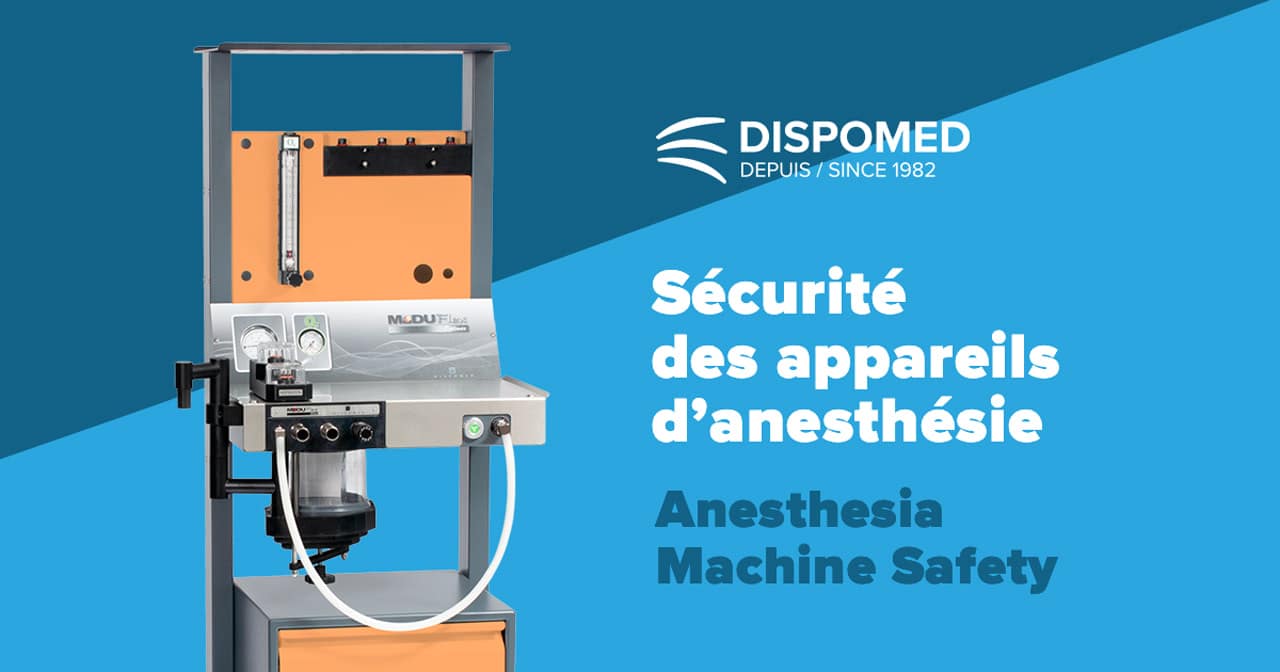
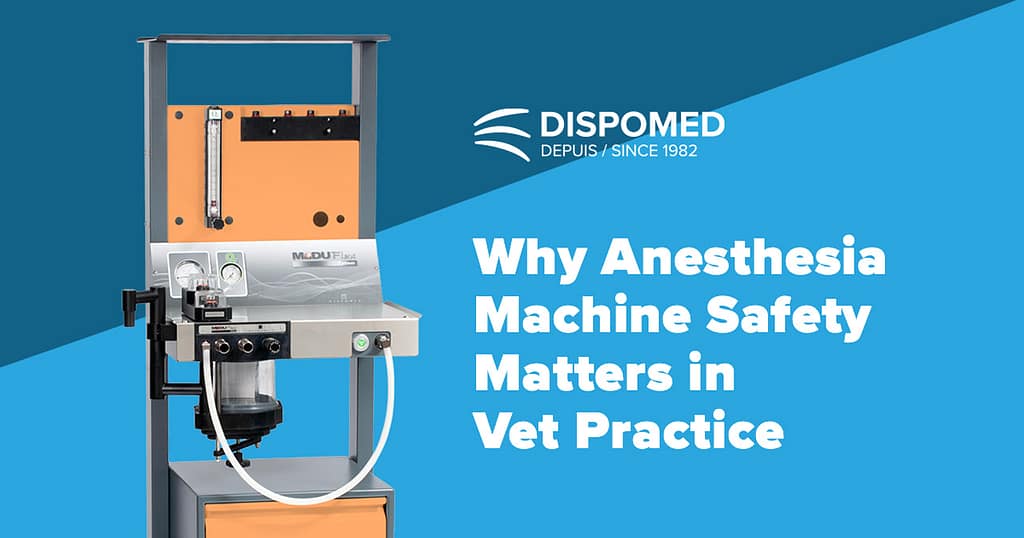
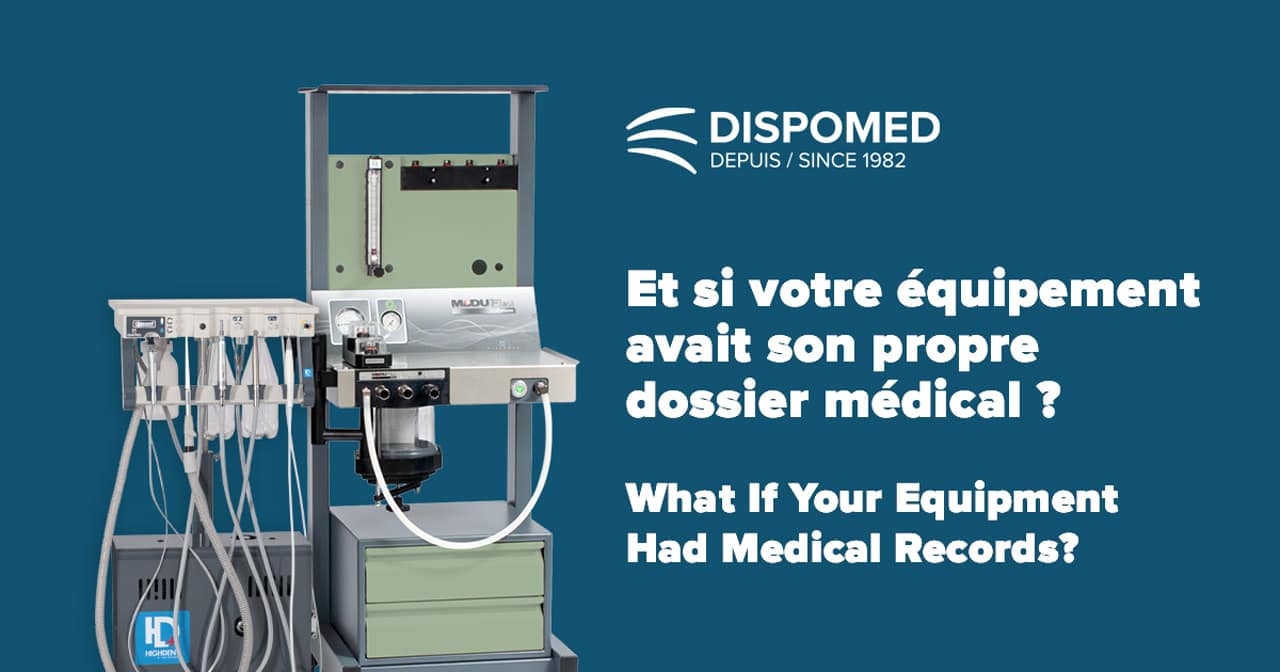
Anesthesia safety is one of the most critical responsibilities in any veterinary hospital. Across Canada the performance and reliability of the anesthesia machine directly influence patient outcomes, staff safety, and surgical efficiency.
With increasing caseloads, evolving regulatory expectations, and ongoing staffing changes in veterinary medicine, clinics are placing greater emphasis on anesthesia equipment that is safe, dependable, and easy to maintain.
This guide outlines the essential safety features and best-practice standards that define a compliant veterinary anesthesia machine in Canada, helping veterinary teams make confident equipment decisions.
The Impact of a Safe Veterinary Anesthesia Machine
A well-designed anesthesia machine reduces risk throughout every procedure:
- Patient safety: precise delivery of oxygen and anesthetic agents
- Technician safety: reduced exposure to waste anesthetic gases
- Equipment reliability: fewer failures and lower maintenance costs
- When anesthesia equipment is intuitive and reliable, the entire surgical workflow becomes safer and more efficient.
Common Veterinary Anesthesia Machine Safety Risks and How to Prevent Them
Most anesthesia-related equipment issues in veterinary clinics stem from a few preventable causes.

Oxygen System Verification
Oxygen verification is vital to successful anesthesia outcomes
- Adequate supply of oxygen should be checked daily and weekly
- Engaged & leak free line pressure (40-50 PSI for pneumatic mechanical ventilators)
- Verification of purity- for oxygen generators/concentrators (annual maintenance)

Breathing System Leaks
Undetected leaks are a leading contributor to anesthetic complications. They may cause:
- Hypoxia
- Inaccurate anesthetic concentrations
- Increased anesthetic gas consumption
- Occupational exposure for staff
- A safe veterinary anesthesia machine should allow a complete leak test to be performed quickly and consistently during daily checks

Vaporizer Safety
Improperly mounted, worn, or poorly maintained vaporizers can lead to unstable anesthetic depth. Key safety requirements include:
- Consistent, calibrated vaporizer performance
- Secure mounting systems
- Accessible servicing points
- Stable operation in varied climate conditions
- Proper filling devices
- Reliable vaporizer function is essential for predictable anesthesia

Limited Access for Maintenance
Machines that restrict service access increase the likelihood of missed issues and prolonged downtime. This often results in:
- Higher repair costs
- Delayed servicing
- Unexpected failures during procedures
Veterinary anesthesia machines should be designed for straightforward inspection, part replacement, and preventive maintenance by qualified service providers.
Workflow Efficiency Is a Safety Feature
An anesthesia machine that is simple to use and maintains both safety and productivity in busy veterinary environments.
Benefits include:
- Faster daily safety checks
- Reduced user error
- Shorter training time for new technicians
- Fewer avoidable service calls
- Longer equipment lifespan
In high-volume surgical settings, efficient workflows directly support consistent patient monitoring and safer anesthesia delivery.
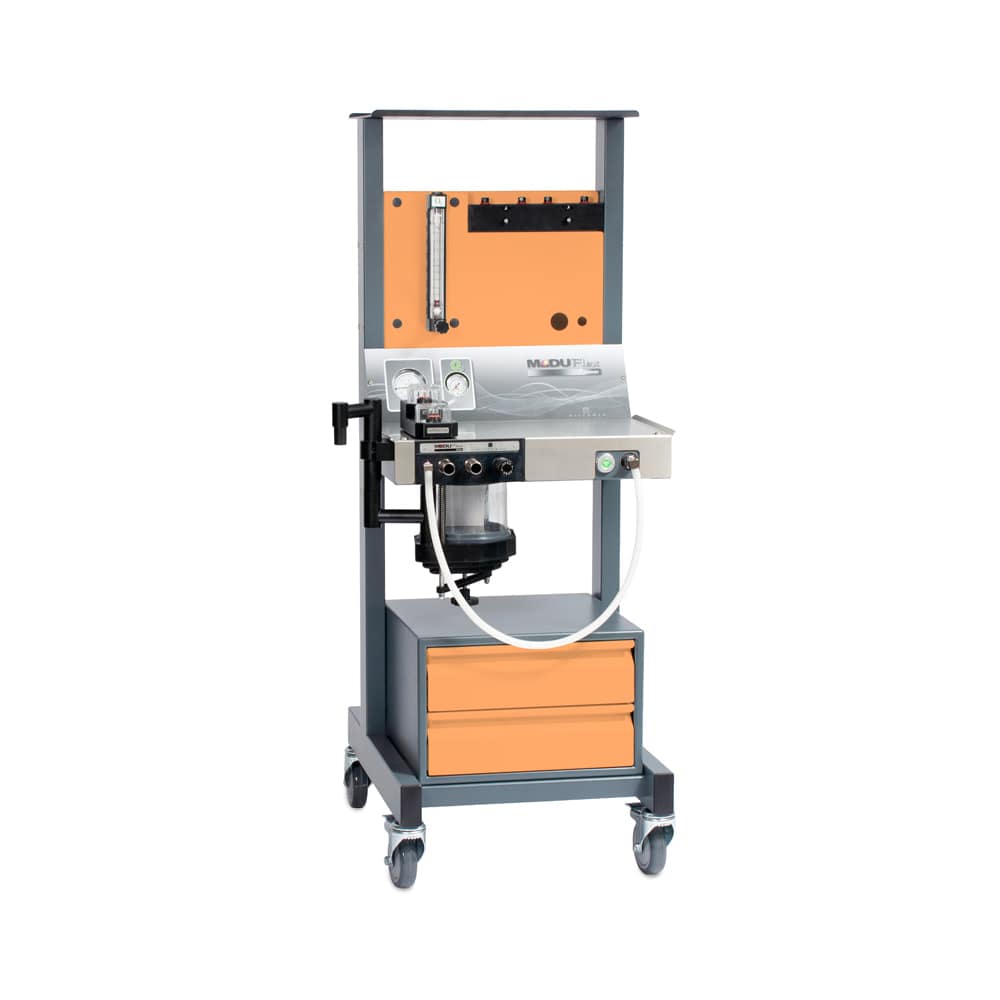
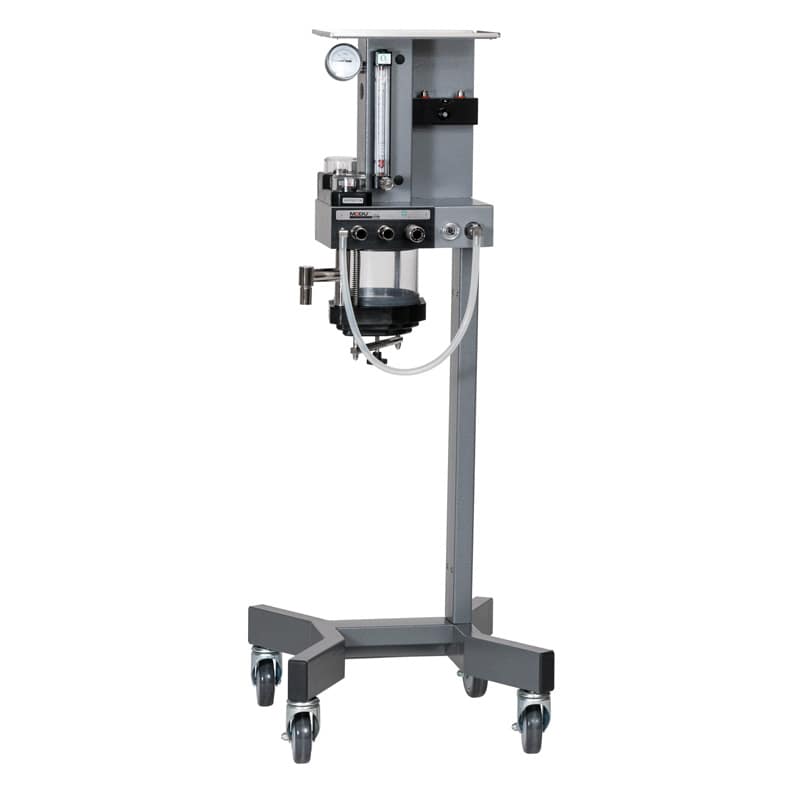
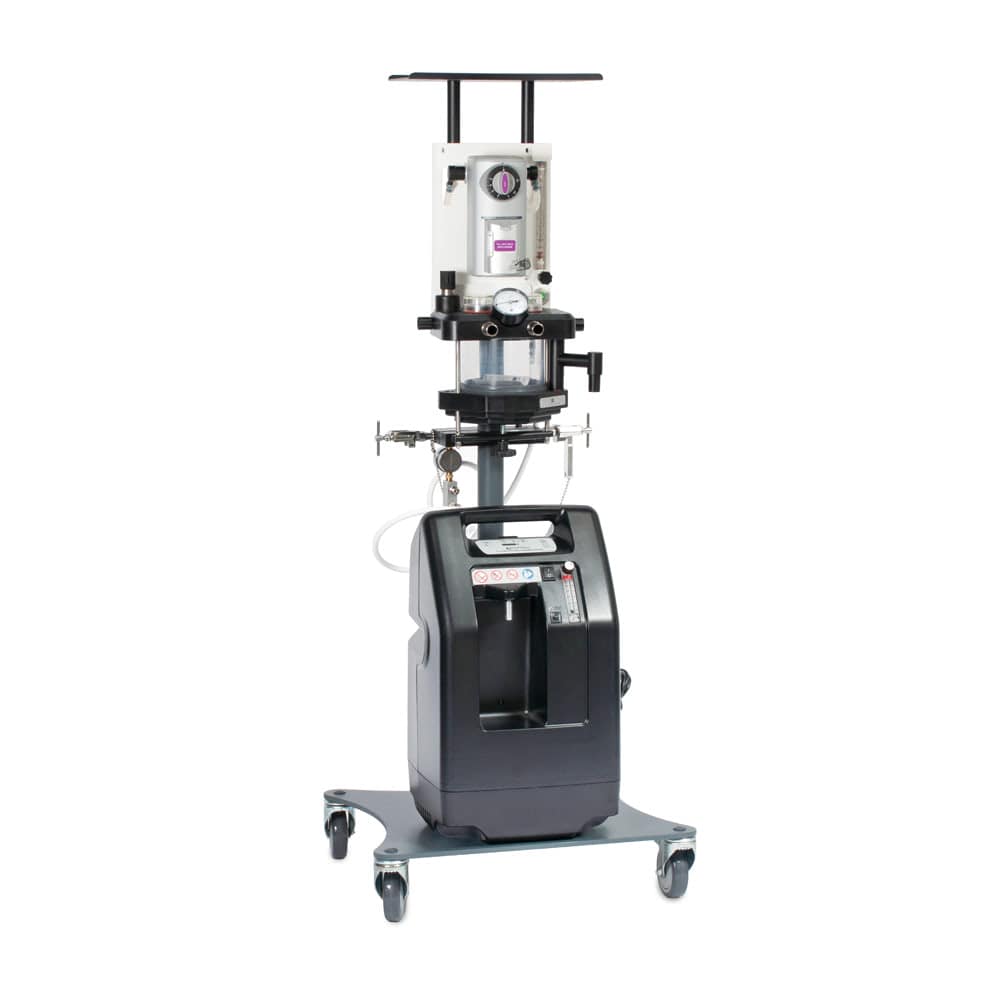
Key Features of a Safe Veterinary Anesthesia Machine
When evaluating anesthesia equipment for a veterinary clinic, prioritize the following:
- Consistent anesthetic delivery: accurate performance across species and case types.
- Quick daily safety checks: leak testing, flow verification, and oxygen confirmation should be intuitive and repeatable.
- Durable clinical construction: designed for long-term use in demanding veterinary hospital environments.
- Configuration suited to your space: mobile, compact, wall-mounted, or custom setups that integrate with surgical workflow.
- Accessible technical support: timely service from trained technicians to minimize downtime.
- Ease of use: clear controls and ergonomic design that support efficient operation, reduce training time, and help the team maintain consistent anesthesia protocols across all users.
Evaluating Your Veterinary Anesthesia Setup
Periodic assessment of anesthesia equipment and workflow helps clinics identify opportunities to improve:
- Patient safety
- Technician efficiency
- Equipment reliability
- Long-term operating costs
Reviewing service history, daily check procedures, and machine condition can reveal upgrades or adjustments that significantly enhance anesthesia safety.
Apa Reaksi Anda?
 Suka
0
Suka
0
 Kurang Suka
0
Kurang Suka
0
 Setuju
0
Setuju
0
 Tidak Setuju
0
Tidak Setuju
0
 Bagus
0
Bagus
0
 Berguna
0
Berguna
0
 Hebat
0
Hebat
0