





















































Tech Meets Touch: I Trialled the AI Robot Diagnosing Patients Using Traditional Chinese Medicine
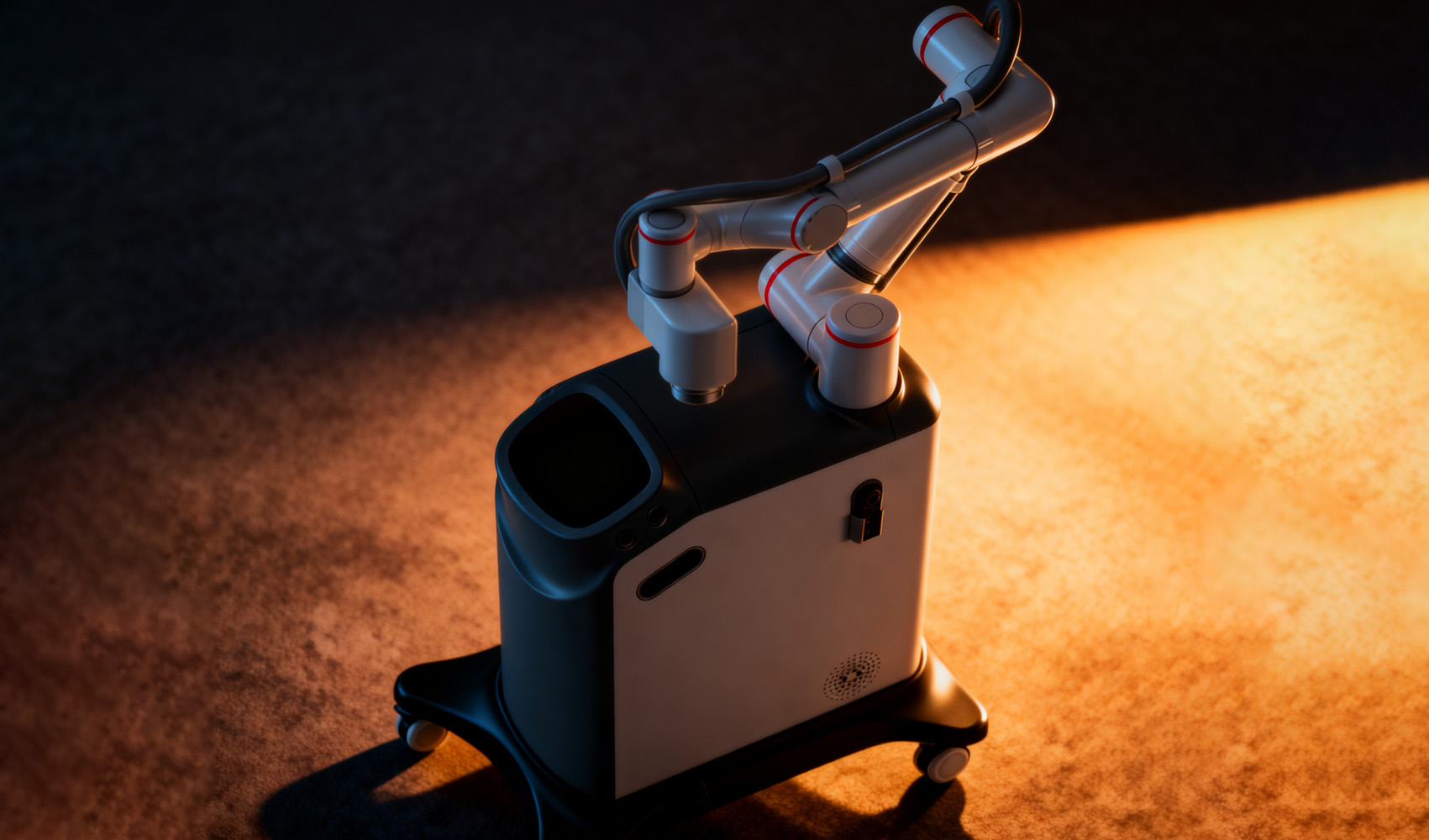


I’ve trialled a lot of wellness technology over the years, but nothing quite prepared me for the experience I had recently with Infinity ZenTech’s new AI-driven system, newly arrived in Australia and built around one of the oldest medical traditions in the world: Traditional Chinese Medicine. Based in Sydney, Infinity ZenTech describes its mission as reshaping the future of wellness through robotic biohacking — and having tried it myself, that’s not an overstatement.
What Is Traditional Chinese Medicine?
Traditional Chinese Medicine, or TCM, is a system of healing with a documented history stretching back more than 2,000 years, still practised today alongside Western medicine across China and much of Asia. At its foundation is the idea that the body is governed by Qi, a vital energy that flows through a network of pathways called meridians, and that health depends on that flow staying balanced and unobstructed. TCM also draws heavily on the concept of Yin and Yang, the idea that opposing forces — hot and cold, active and passive, excess and deficiency — need to sit in equilibrium for the body to function well, alongside the Five Elements theory (wood, fire, earth, metal and water), which maps different organs, emotions and seasons to one another.
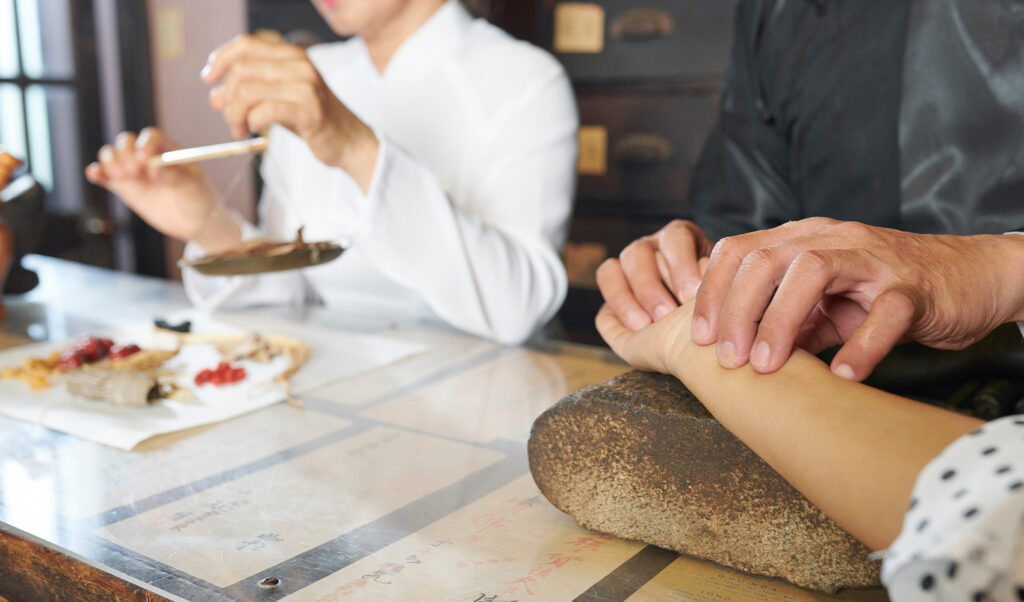
Where TCM differs most from Western medicine is in its diagnostic approach. Rather than isolating a single symptom, a practitioner traditionally draws on what’s known as the Four Diagnostic Methods: observation (examining the face, tongue and body), auscultation and olfaction (listening to the voice and breath, noting scent), inquiry (asking about lifestyle, sleep, digestion and emotional state) and palpation (feeling the pulse, and sometimes the abdomen). Together, these build a picture of a person’s overall constitution, not just their presenting complaint, before a treatment plan is set using techniques such as acupuncture, acupressure, cupping, Gua Sha and moxibustion.
It’s this diagnostic depth that has traditionally made TCM slow to scale — a skilled practitioner spends years learning to read these signals accurately, and demand for that expertise now far outstrips supply, both in China and here in Australia. Which is exactly the gap Infinity ZenTech has set out to close.
Diagnosis, Reimagined
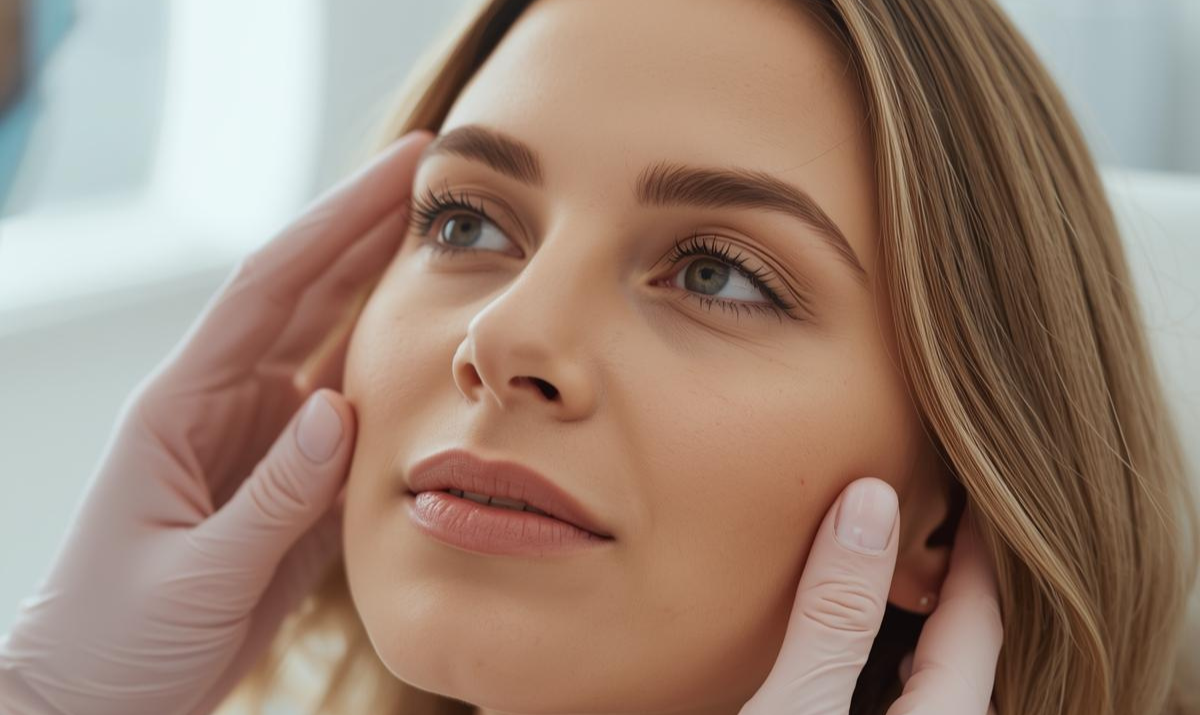
My session began with a comprehensive whole-health consultation, working through my history, lifestyle and the issues I most wanted addressed, before moving to the diagnostic technology itself. A robot reads the eyes, using computer vision to pick up on the kind of subtle markers a TCM practitioner would traditionally spend years learning to interpret — something closer to iridology crossed with facial diagnosis, translated into data. Within minutes, that reading is combined with my consultation to generate a personalised diagnosis, flagging imbalances and priority areas without a single needle or word of guesswork required.
From there, the diagnosis feeds directly into a treatment protocol, built and run through an app that translates the data into a specific sequence of techniques — sitting somewhere between acupressure and heat therapy, and applied with a level of precision and consistency that’s genuinely difficult for a human hand to replicate, session after session. Moxibustion — the TCM practice of burning the herb mugwort close to the skin to stimulate specific points and warm the meridians — is also built into the protocol, delivered here through the robot rather than a hand-held stick.
My Experience
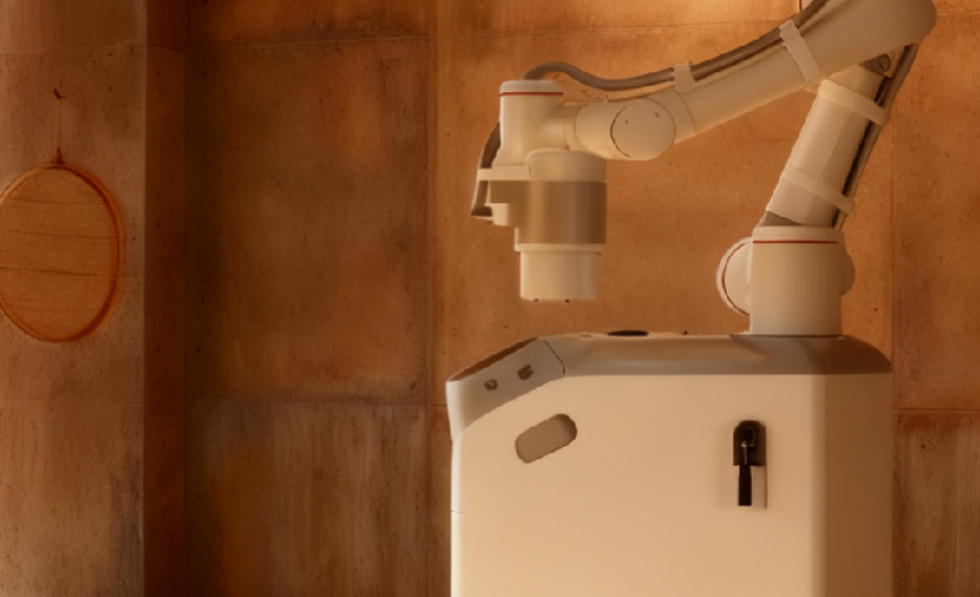
Because I suffer from ongoing gut issues, my protocol was built around that as the priority — but it ended up covering far more ground than I expected. The first part of my treatment combined moxibustion and cupping across my abdomen, delivered by the robot, while a therapist worked on a beautiful facial at the same time. There were moments I genuinely couldn’t tell whether what I was feeling on my gut was the machine or a therapist’s hands — it was that considered.
The second part had me face-down, and this is where the technology really impressed me. The device worked through the tension points across my head, neck and shoulder blades — an area I carry a lot of tightness in — and used heat alongside the pressure, reaching what felt like a slightly deeper point of release in my shoulder blades than a human hand has ever managed with me. That combination of sustained, precise pressure and heat, held for exactly as long as needed without fatigue or distraction, is something I don’t think a therapist could fully replicate, however skilled.
The moment that really summed up the experience for me: partway through, the technician monitoring my protocol through the app walked over to check in and chat. My immediate thought was, “Oh my god, you’re standing right in front of me — so who on earth is massaging my back?” It was, genuinely, the robot working entirely on its own. That’s how seamless it felt.
There’s understandably a lot of conversation right now about touch, connection, and whether technology can ever really replace it in wellness spaces. What struck me most about this experience was that I didn’t have to choose. While the robot took care of my gut, a therapist gave me that facial alongside it; while the robot later worked through my neck and shoulder blades, I had the mental space to simply switch off, knowing a human being was also part of the process, not removed from it. Rather than positioning AI as a replacement for the therapist, Infinity ZenTech seems to have found a genuine middle ground — letting the robot do what it does best (precision, consistency, sustained heat and pressure) while leaving the parts that benefit from a human touch exactly where they belong.
It’s early days for this technology in Australia, but if my session is anything to go by, it’s a genuinely phenomenal addition to the wellness landscape — and one worth keeping an eye on as it rolls out further. Find out more at 8zentech.com.au.
The post Tech Meets Touch: I Trialled the AI Robot Diagnosing Patients Using Traditional Chinese Medicine appeared first on Spa & Wellness.
What's Your Reaction?
 Like
0
Like
0
 Dislike
0
Dislike
0
 Agree
0
Agree
0
 Disagree
0
Disagree
0
 Excellent
0
Excellent
0
 Useful
0
Useful
0
 Great
0
Great
0