








































The Precision Obsession: Ukrainian & Russian Manicures Explained


Their precise finish and promises of lasting wear have made Ukrainian and Russian manicures objects of fascination. Understanding the appeal starts with separating the treatment names from the techniques, and knowing where meticulous preparation should stop.
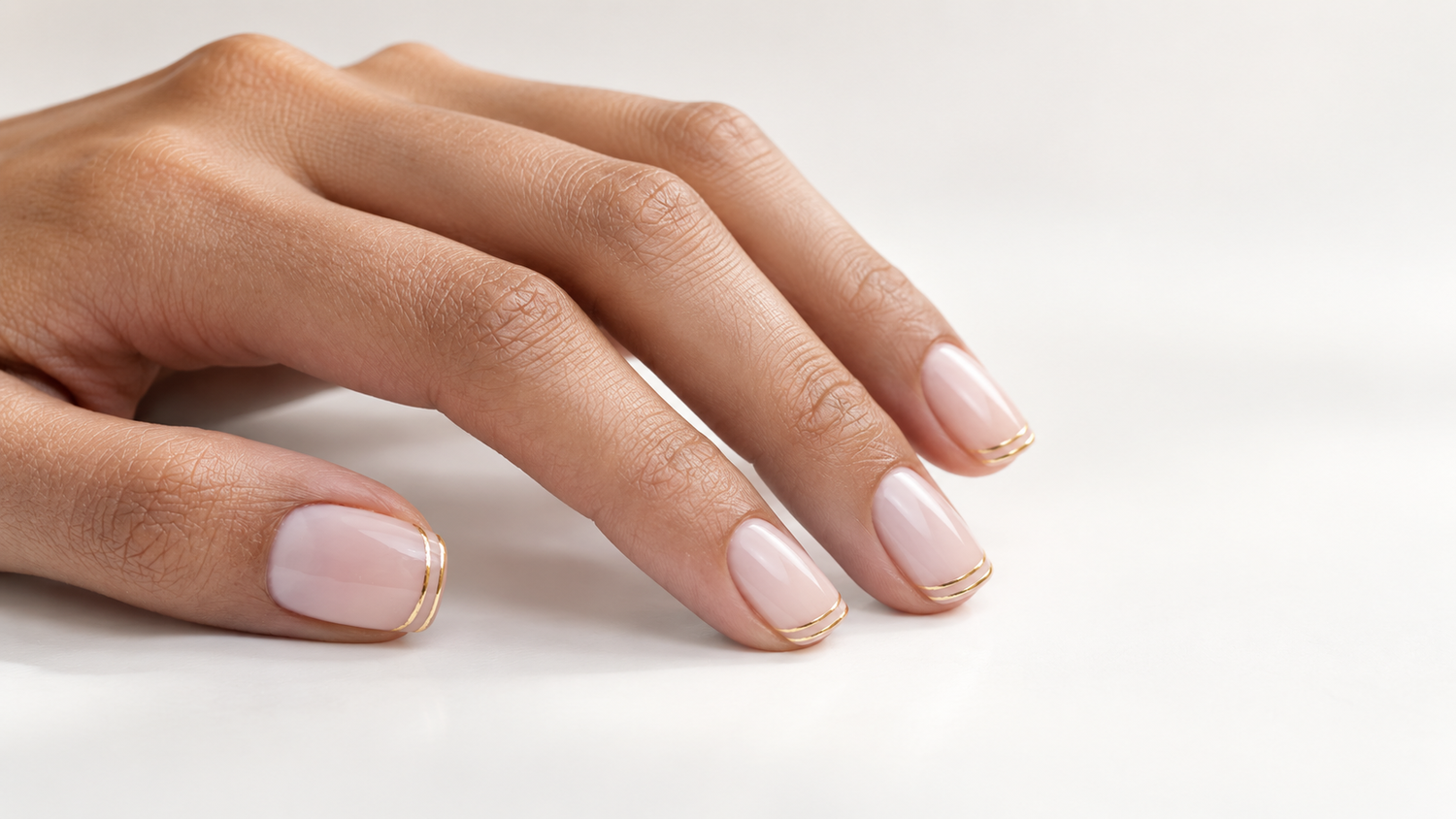
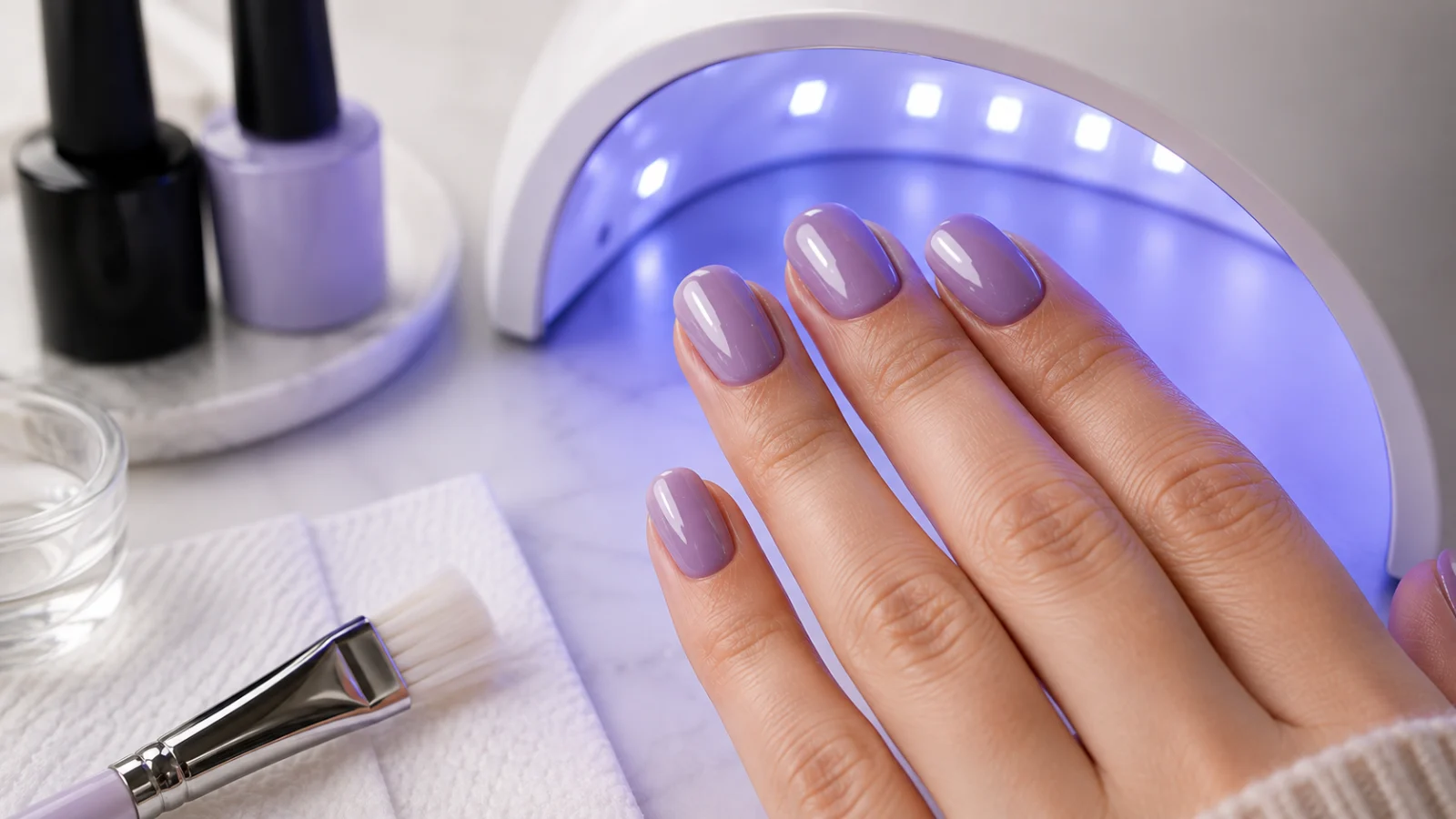
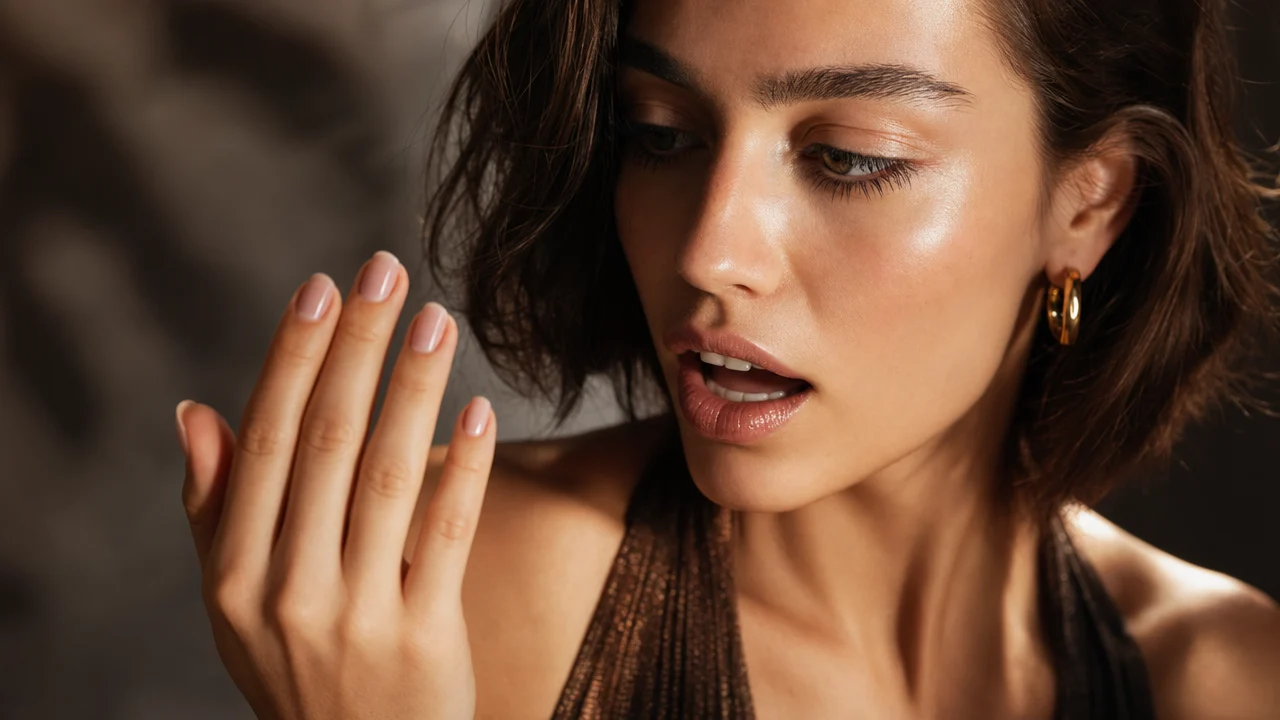
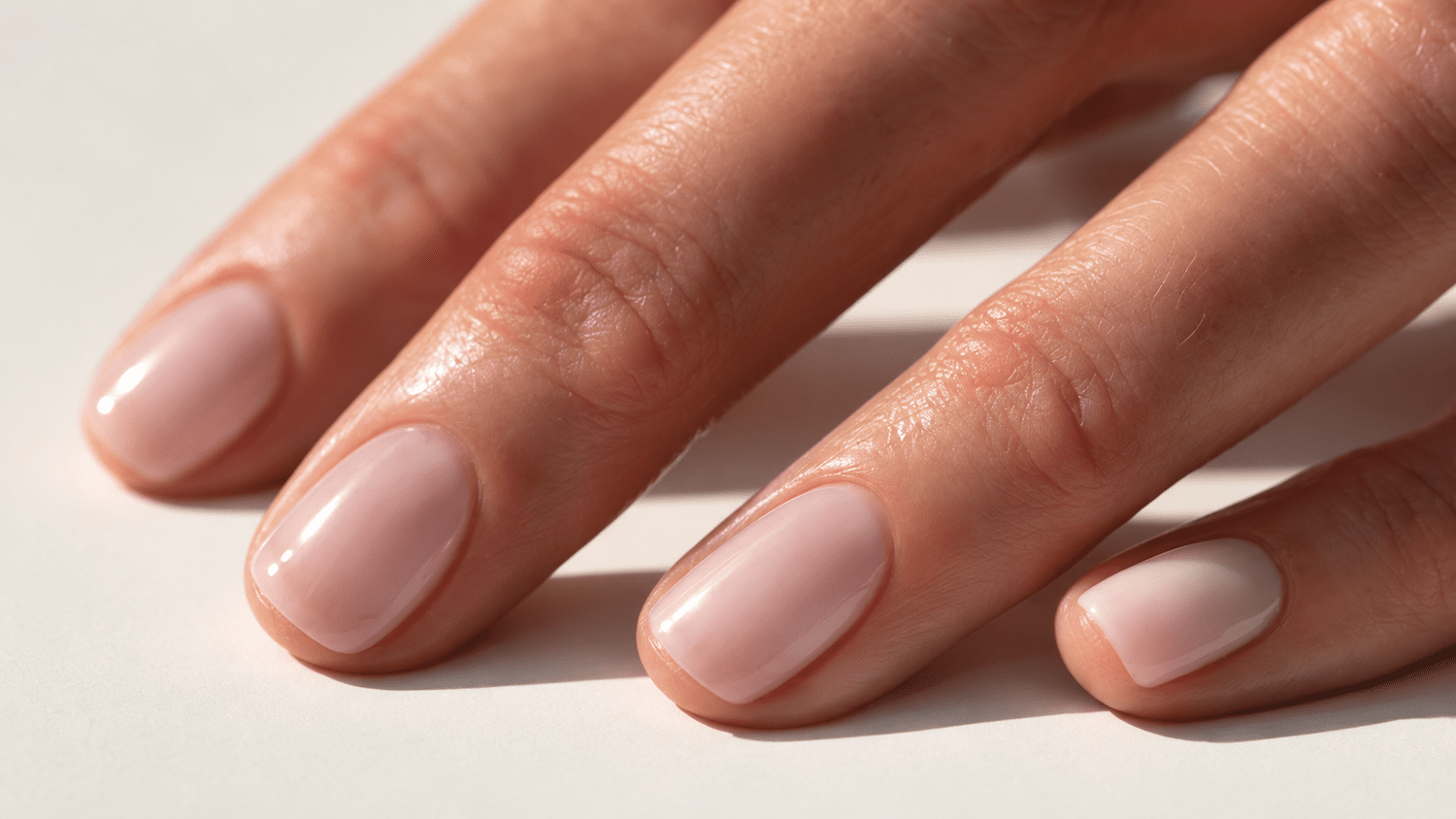
With a smooth curve, carefully balanced shape and colour that appears to begin exactly where the nail emerges, a precision manicure can make even the simplest shade look considered. Much of its appeal lies in details that become particularly noticeable in close-up: the even surface, the fine border of polish and the absence of bulky product. Ukrainian and Russian manicures are both associated with this finish, but the distinction between them is less straightforward than their names suggest.
In contemporary salon language, a Russian manicure usually describes detailed preparation carried out without soaking, using an electric file, or e-file, fitted with small interchangeable attachments. Attention centres on the cuticle area and the edges of the nail, followed by careful shaping and product application. Some practitioners work principally with the e-file; others also use scissors or nippers. The term describes an approach to preparation, so it does not dictate a particular colour, length or nail-art design.
A Ukrainian manicure can involve much of the same work, although individual salons place different emphasis on the stages involved. At London salon group So.Shell, for example, the technique includes levelling with gel to create a smooth, balanced nail structure. This helps explain the elegantly curved surface associated with its manicures: that shape can come from controlled product placement, alongside the preparation underneath. Other practitioners describe their Ukrainian service as a combined manicure, using both an e-file and manual tools.
There is no consistently applied technical boundary separating the two names. London salon Selfish explicitly uses Ukrainian and Russian interchangeably for its dry e-file service. Ukrainian-trained practitioners at US salon Krasunya also describe them as names for the same method, while identifying their own work with their Ukrainian training. The terminology can therefore communicate professional heritage as well as technique. Claims that Ukrainian manicures always use scissors, or that Russian manicures are invariably more aggressive, oversimplify the variation between practitioners.
For clients, the useful distinctions are more specific. “Dry” means the nails are not soaked during preparation. “E-file” identifies an instrument, while “combined” generally signals a mixture of electric and manual work. Gel polish, hard gel and builder gel describe the products applied afterwards. BIAB, The GelBottle’s Builder In A Bottle range, belongs to that product conversation. A client can therefore have a manicure described as Ukrainian or Russian with a builder-gel finish; the terms answer different questions about the appointment. Their current appeal is easy to understand through the camera. Close-up video makes the preparation visible, turning a process clients might once have overlooked into part of the attraction. In September 2026, beauty coverage picked up the “facelift manicure”, a social-media rebranding of the Russian manicure that draws attention to the appearance of longer nails and fingers.
These techniques also lend themselves to understated colours. A sheer pink or milky neutral leaves the outline and surface of the nail particularly exposed, making a small irregularity more conspicuous. The attraction is therefore partly about how convincingly a manicure can look simple. The work behind that simplicity gives clients something tangible to appreciate, whether they choose a barely visible nude, a fine French tip or a dark, glossy red.
Access provides another plausible explanation for the attention. So.Shell now lists six London locations, including Carnaby, Chelsea, Wimbledon and Covent Garden, alongside its nail academy. Such visibility brings Ukrainian manicure terminology into everyday salon booking and professional education. These are concrete signs of an established commercial presence, although they should not be mistaken for figures measuring how quickly demand for either treatment is growing.
Longevity is another prominent selling point. Selfish advertises three to four weeks of wear, while So.Shell promotes results lasting up to four weeks. Starting colour close to the nail’s base can make the initial gap less noticeable, but it does not slow nail growth.
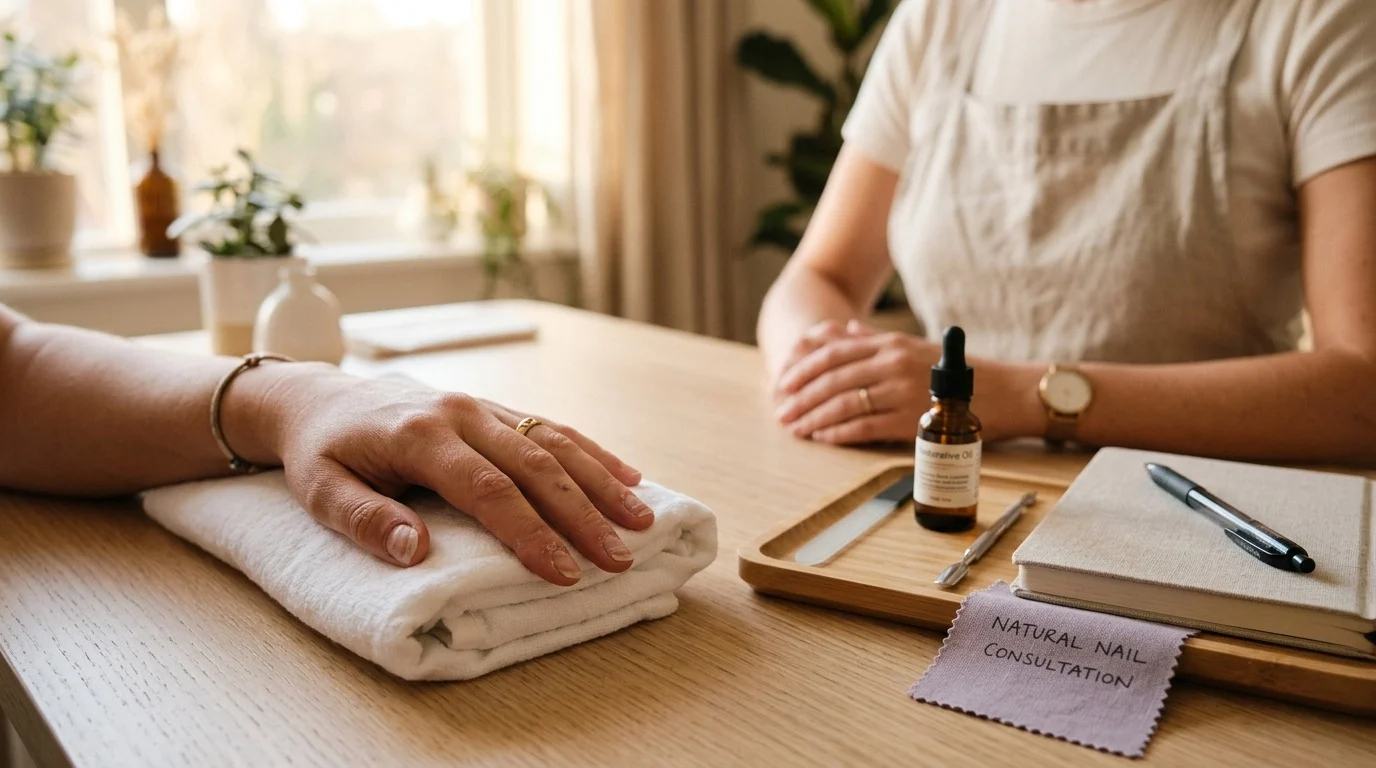
A useful treatment description should tell clients what preparation involves, which coating is included, how the service is adapted to their nails and what maintenance they will need. Consultation should also establish whether the nails and surrounding skin are suitable for treatment. Clients should feel able to ask about training and hygiene, and to report pain or burning immediately.
The lasting value of either manicure rests in work that stands up to scrutiny beyond the photograph: a balanced finish, comfortable surrounding skin and a natural nail that has been respected throughout the appointment. As clients become more interested in how that result is achieved, professionals have a chance to make careful judgement as visible as the gloss.
Newsletter Block
This newsletter signup form needs a storage option. Edit the block and enter a storage location via the Storage tab.
Sign up with your email address to receive news and updates.
Subscribe
We respect your privacy.
Thank you!
What's Your Reaction?
 Like
0
Like
0
 Dislike
0
Dislike
0
 Agree
0
Agree
0
 Disagree
0
Disagree
0
 Excellent
0
Excellent
0
 Useful
0
Useful
0
 Great
0
Great
0