



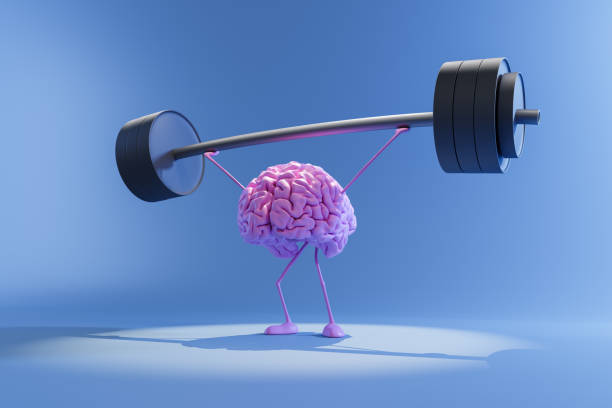



































































Vitamin B12 and Memory: What Low Levels May Mean for Cognitive Health


Written and medically reviewed by Colleen Renee, MSN, APRN, FNP-C
Board-Certified Family Nurse Practitioner / June 3, 2026
Memory changes can feel scary.
Maybe you walk into a room and forget why you went there.
Maybe you lose your train of thought more often.
Maybe names do not come as quickly as they used to.
Maybe you find yourself rereading the same paragraph because your brain just does not feel as sharp.
And if you are getting older, it is natural to wonder:
“Is this normal aging… or is something else going on?”
As a nurse practitioner, I want to say this gently:
Memory changes can have many causes. Poor sleep, stress, medications, thyroid issues, mood changes, blood sugar changes, dehydration, grief, depression, anxiety, and neurological conditions can all play a role.
So I never want anyone assuming that memory issues are “just B12.”
But I also do not want people ignoring vitamin B12.
Because B12 is one of those foundational nutrients your brain and nervous system depend on. And when levels get too low, some people may notice changes in memory, focus, mood, mental clarity, and nerve function.
That does not mean B12 is a cure for dementia.
It is not.
But low B12 is one possible, correctable factor that is worth paying attention to — especially for adults over 50, vegans, vegetarians, and people with absorption concerns.
Let’s talk about how vitamin B12 supports memory and cognitive health, what low levels may feel like, and when it may be time to ask your healthcare provider about testing.
First, What Does Vitamin B12 Do for the Brain?
Vitamin B12 helps support the brain in several important ways.
It plays a role in:
- Brain and nervous system function
- Healthy red blood cell formation
- DNA production
- Normal energy metabolism
- Nerve health
- Mood and mental clarity
- Healthy aging
This is why I often describe B12 as more than an “energy vitamin.”
Yes, B12 helps your body use energy properly.
But it is also deeply involved in the systems that help you think clearly, stay steady, maintain healthy nerves, and feel like yourself.
Your brain is not separate from the rest of your body.
It depends on healthy blood cells to help carry oxygen.
It depends on healthy nerves to send signals.
It depends on nutrients to keep those systems working.
And B12 is part of that foundation.
When B12 levels are low, some people may experience neurological and cognitive symptoms — meaning symptoms that affect the brain, nerves, memory, mood, or coordination.
That is why B12 belongs in the memory conversation.
Not because it fixes every memory problem.
But because your brain needs it.
Can Low B12 Affect Memory?
Yes, low vitamin B12 can affect memory in some people.
That does not mean every forgetful moment is a B12 problem.
We all misplace keys.
We all forget why we opened the fridge.
We all lose words sometimes.
But if memory changes are new, ongoing, worsening, or paired with other symptoms, it is worth asking better questions.
Low B12 may be associated with:
- Forgetfulness
- Brain fog
- Trouble concentrating
- Confusion
- Feeling mentally slower
- Word-finding trouble
- Mood changes
- Numbness or tingling
- Balance problems
One thing I tell patients often is:
Your memory does not exist in a vacuum.
If your body is tired, your nerves are irritated, your mood is low, your sleep is poor, or your red blood cells are not functioning well, your brain may not feel as sharp.
B12 is not the only factor in that picture.
But it can be one important piece.
B12 Helps Support Healthy Nerve Function
One of the biggest reasons B12 matters for memory and cognition is its role in nerve health.
Your nervous system includes your brain, spinal cord, and nerves throughout your body. These nerves help your brain and body communicate constantly.
B12 helps support the protective coating around nerves, called myelin.
I often explain myelin like insulation around an electrical wire. When the insulation is strong, signals can travel smoothly. When it is damaged or not properly maintained, communication can become less efficient.
This is why low B12 may sometimes show up as nerve-related symptoms like:
- Tingling
- Numbness
- Pins-and-needles sensations
- Balance problems
- Weakness
- Trouble walking steadily
And because the brain is part of the nervous system, low B12 can also show up in ways that feel cognitive or emotional.
That might mean memory issues, brain fog, confusion, irritability, or low mood.
If you are experiencing numbness, tingling, balance problems, trouble walking, confusion, or significant memory changes, please do not ignore those symptoms. Talk to a healthcare provider.
B12 deficiency can affect the nervous system, and neurological symptoms deserve proper evaluation.
B12, Oxygen, and Mental Energy
Another way B12 may affect memory is through red blood cell health.
B12 helps your body make healthy red blood cells. These cells carry oxygen throughout the body, including to the brain.
When B12 is too low, red blood cell production can be affected. Some people may develop megaloblastic anemia, a type of anemia that can leave them feeling tired, weak, dizzy, short of breath, or run-down.
And when you are physically exhausted, your brain often feels exhausted too.
This is why someone with low B12 may describe symptoms like:
“I can’t focus.”
“My brain feels cloudy.”
“I feel mentally drained.”
“I forget things more easily.”
“I just don’t feel sharp.”
That does not mean B12 is acting like a stimulant.
It is not caffeine.
Instead, B12 supports the systems that help your brain and body function normally.
If low B12 is part of why someone feels foggy or forgetful, supporting healthy levels may help them feel more like themselves again.
But if B12 levels are already healthy, taking extra B12 is not guaranteed to improve memory or focus.
That is an important distinction.
Memory Changes Are Not Always Dementia
I want to pause here because this is something many people worry about.
If you are forgetting things more often, it is easy for your mind to go straight to the scariest possibility.
But memory changes can happen for many reasons.
Some are serious. Some are temporary. Some are correctable.
Possible contributors can include:
- Poor sleep
- Chronic stress
- Depression
- Anxiety
- Grief
- Thyroid problems
- Low B12
- Low iron
- Dehydration
- Medication side effects
- Alcohol use
- Blood sugar swings
- Hearing loss
- Infections
- Neurological conditions
That is why I do not want people panicking.
But I also do not want people dismissing symptoms.
The best approach is not fear.
It is curiosity.
Instead of thinking, “This must be dementia,” or “This is just aging,” try asking:
“What could be contributing to this, and what should I check?”
B12 is one of the things worth checking, especially because low levels can affect the nervous system and may contribute to memory problems.
Why B12 Matters More After 50
This conversation becomes especially important after age 50.
Not because every adult over 50 automatically has low B12.
But because B12 absorption can become less efficient with age.
B12 in food is bound to protein. Your stomach has to release it before your body can absorb and use it. As people get older, stomach acid may decline, and that can make food-bound B12 harder to absorb.
That means someone may eat foods that contain B12 — like meat, fish, eggs, or dairy — and still not absorb as much as they used to.
This is why adults over 50 are often encouraged to get B12 from fortified foods or supplements.
And from a brain-health perspective, that matters.
Because if you are over 50 and noticing fatigue, brain fog, memory changes, mood shifts, weakness, numbness, tingling, or balance issues, B12 should at least be part of the conversation.
It may not be the full answer.
But it is a simple nutrient to ask about.
For daily support, this is one reason Purality Health’s Micelle Liposomal Vitamin B12 can be such a practical option. It is designed to support healthy B12 levels, brain function, nerve health, red blood cell formation, and energy metabolism in an easy-to-take liquid format.
What Low B12-Related Memory Changes Can Feel Like
People do not always describe B12-related cognitive symptoms in clinical language.
They usually say things like:
“I just feel foggy.”
“I’m forgetting words.”
“I feel slower.”
“I can’t concentrate like I used to.”
“My memory feels off.”
“I’m more irritable.”
“I feel mentally tired.”
“I’m not as quick as I used to be.”
Sometimes these changes come with physical symptoms too, such as:
- Fatigue
- Weakness
- Dizziness
- Shortness of breath
- Heart palpitations
- Tingling in the hands or feet
- Numbness
- Balance problems
- A sore or swollen tongue
That combination is important.
If someone only has mild forgetfulness, there may be many possible explanations.
But if memory changes are happening alongside fatigue, weakness, tingling, numbness, balance issues, or mood changes, B12 becomes more relevant.
That is when I would especially want someone to speak with a healthcare provider and ask whether B12 testing makes sense.
Who Is Most at Risk for Low B12 and Memory-Related Symptoms?
Some people are more likely to run low in B12.
These include:
- Adults over 50
- Vegans
- Vegetarians
- People who eat very little animal food
- People with digestive conditions
- People with pernicious anemia
- People who have had stomach or intestinal surgery
- People taking metformin long-term
- People taking acid-reducing medications long-term
If you are in one of these groups and you are noticing memory changes, brain fog, fatigue, or nerve symptoms, do not brush it off.
Again, B12 may not be the only explanation.
But it is worth checking.
And if you are in more than one risk group — for example, you are over 50 and taking reflux medication, or vegan and experiencing brain fog — it becomes even more important to be proactive.
B12 Is Not a Dementia Cure
This is one of the most important sections in this article.
Vitamin B12 is essential for brain and nerve health.
Low B12 can affect memory in some people.
But B12 is not a cure for dementia.
It is not a guaranteed way to prevent Alzheimer’s disease.
It is not a treatment for every case of cognitive decline.
And it should not be marketed like a miracle memory pill.
That kind of messaging is not helpful, and it is not honest.
What we can say is this:
B12 deficiency is one correctable factor that may contribute to memory, mood, nerve, and cognitive symptoms in some people.
That makes it worth paying attention to.
But if you or someone you love has significant memory changes, confusion, personality changes, trouble managing daily tasks, getting lost, repeating questions, or declining function, please seek medical evaluation.
There may be many possible causes, and the sooner you get clarity, the better.
When Should You Ask a Doctor About Memory Changes?
You should talk to a healthcare provider if memory changes are:
- New
- Worsening
- Affecting daily life
- Noticed by family or friends
- Paired with confusion
- Paired with mood or personality changes
- Paired with numbness, tingling, weakness, or balance problems
- Happening alongside severe fatigue or unexplained weight loss
- Making it difficult to manage work, finances, medication, driving, or daily routines
You may also want to ask specifically about B12 testing if you are over 50, vegan, vegetarian, taking metformin, taking acid-reducing medication, or dealing with digestive issues.
A healthcare provider may check serum B12 and may also consider other markers like methylmalonic acid, homocysteine, folate, thyroid function, iron status, or a complete blood count depending on your symptoms.
The goal is not to guess.
The goal is to understand what is really going on.
Can B12 Supplements Help Memory?
This is where expectations matter.
If your memory issues are related to low B12, then correcting the deficiency may help support cognitive function and overall well-being.
But if your B12 levels are already healthy, taking extra B12 may not improve memory.
More B12 is not automatically better.
The goal is healthy levels — not megadosing for no reason.
That said, many people choose B12 supplements for daily support because they are in a higher-risk group, want to support brain and nerve health, or want a practical way to maintain healthy intake.
For example, a B12 supplement may be worth considering if you are:
- Over 50
- Vegan or vegetarian
- Low in B12-rich foods
- Concerned about absorption
- Looking for brain and nerve support
- Taking medications that may affect B12 status
- Someone who dislikes relying only on food for B12
For everyday support, Purality Health’s Micelle Liposomal Vitamin B12 is a strong option because it uses methylcobalamin, comes in liquid form, and features micelle liposomal delivery designed with absorption in mind.
Why Absorption Matters for Memory Support
When people choose a B12 supplement, they often focus only on the dose.
But with B12, absorption matters too.
This is especially true for adults over 50, because the body may not absorb food-bound B12 as well with age.
It can also matter for people with digestive concerns, stomach surgery, pernicious anemia, or long-term use of certain medications.
That is why I like the question:
“Is this supplement designed to help my body use the B12?”
Purality Health’s Micelle Liposomal Vitamin B12 is designed with absorption in mind. Its micelle liposomal delivery helps support the nutrient’s journey through digestion, while its liquid format makes it easy to take consistently.
And consistency is important.
A supplement you actually take every day is far more useful than a bottle that sits unopened in your cabinet.
Food Sources of B12 for Brain and Memory Support
Food can absolutely support healthy B12 levels for many people.
Natural B12 food sources include:
- Fish
- Shellfish
- Meat
- Poultry
- Eggs
- Milk
- Yogurt
- Cheese
For vegans and many vegetarians, reliable B12 sources include:
- Fortified nutritional yeast
- Fortified plant milks
- Fortified cereals
- Fortified meat alternatives
- B12 supplements
The key word is fortified.
Unfortified plant foods are not reliable B12 sources.
So if you are plant-based, do not assume your nutritional yeast, oat milk, almond milk, or cereal contains B12 unless the label says it does.
And if you are over 50, remember that food-bound B12 may be harder to absorb, which is why fortified foods and supplements can be especially useful.
Simple Daily Habits That Support Brain Health
B12 is important, but it is not the whole story.
If you are thinking about memory and cognitive health, I also want you to look at the bigger picture.
Brain-supportive habits include:
- Getting enough sleep
- Moving your body regularly
- Eating enough protein and nutrients
- Staying hydrated
- Managing stress
- Limiting alcohol
- Staying socially connected
- Challenging your brain
- Supporting hearing and vision
- Managing blood pressure, blood sugar, and cholesterol
- Talking to your provider about medications that may affect memory
- Checking nutrients like B12 when symptoms suggest it
This is important because no supplement replaces the basics.
B12 can be foundational, especially if you are low or at risk.
But brain health is built through many small choices over time.
The Simple Takeaway
Here is the practical version:
Vitamin B12 supports your brain, nerves, red blood cells, DNA production, and energy metabolism.
Low B12 can contribute to symptoms such as brain fog, memory changes, mood changes, fatigue, numbness, tingling, and balance problems.
B12 deficiency is more important to consider after 50, in vegans and vegetarians, and in people with digestive or absorption concerns.
But B12 is not a dementia cure or a guaranteed memory booster.
If you have memory concerns, especially if they are new, worsening, or affecting daily life, talk to a healthcare provider.
And if you simply want to support healthy B12 levels as part of a brain-health routine, choose a supplement that is high-quality, easy to take, and designed with absorption in mind.
Final Thoughts
Memory changes deserve attention.
Not panic.
Not denial.
Attention.
Sometimes forgetfulness is stress. Sometimes it is sleep. Sometimes it is medication. Sometimes it is mood. Sometimes it is a medical issue that needs care.
And sometimes, low B12 may be part of the picture.
That is why vitamin B12 is worth understanding.
It supports your brain.
It supports your nerves.
It supports healthy red blood cells.
It supports energy metabolism.
It supports the systems that help you feel clear, steady, and mentally present.
If you are over 50, vegan, vegetarian, low in B12-rich foods, or concerned about absorption, daily B12 support may be worth considering.
Purality Health’s Micelle Liposomal Vitamin B12 is designed to support healthy B12 levels, brain function, nerve health, memory, focus, red blood cell formation, energy metabolism, and overall vitality.
It uses methylcobalamin, comes in an easy liquid format, and features micelle liposomal delivery designed with absorption in mind.
Because when it comes to memory and brain health, B12 is not a miracle.
But it is foundational.
And foundational nutrients are worth getting right.
The post Vitamin B12 and Memory: What Low Levels May Mean for Cognitive Health appeared first on Purality Health® Liposomal Products.
What's Your Reaction?
 Like
0
Like
0
 Dislike
0
Dislike
0
 Agree
0
Agree
0
 Disagree
0
Disagree
0
 Excellent
0
Excellent
0
 Useful
0
Useful
0
 Great
0
Great
0