

























































Could Peppermint Ease Certain Gut Issues?


Let's Start With Something Reassuring
If your stomach has been giving you grief, the bloating, the cramps, the unpredictable mornings, the discomfort after meals, you are absolutely not alone.
Gut problems affect many people in the UK, and as we get older, our digestive system can start to make itself known in ways it never used to. The good news? There's a well-researched, NHS-recognised, and surprisingly simple natural option that many over 50s are finding genuinely helpful.
You might already have it growing in your garden.
Peppermint and specifically peppermint oil capsules have quietly moved from a folk remedy to a recommended treatment to aid gut health. And in the UK right now, more and more people are discovering what science has long shown.
Let's take a proper look at what peppermint oil does, why it works, and whether it might be right for you.
The Uncomfortable Truth About Gut Health After 50
Before we talk about peppermint, it helps to understand what's actually happening in your gut as you age.
After 50, a number of natural changes occur in the digestive system that can make gut discomfort more common and more noticeable:
- Gut motility slows down - food moves through the intestines more slowly, which can cause bloating and constipation.
- The gut microbiome changes - the balance of bacteria in your gut shifts with age, sometimes leading to increased wind, discomfort and sensitivity.
- The gut lining becomes more sensitive - stress and dietary changes can all have a bigger impact than they used to
- Muscle tone in the bowel wall decreases, increasing the likelihood of spasms and irregular contractions.
These changes don't happen to everyone in the same way, but they do explain why so many people in their 50s and 60s suddenly find themselves dealing with gut issues they never had before — or find that existing conditions like IBS feel more pronounced.
What Is IBS and How Common Is It Really?
Irritable Bowel Syndrome (IBS) is one of the most common gut conditions in the UK. According to the NHS, it affects many people at some point in their lives, and it's thought to be significantly underdiagnosed because many people simply live with the symptoms without ever seeking help.
IBS is a functional gut disorder, meaning it affects how the gut functions rather than causing visible structural damage. It's not dangerous, but it can be genuinely miserable to live with.
Common IBS symptoms can include:
- Stomach cramps and spasms, often worse after eating.
- Bloating and a feeling of fullness
- Diarrhoea, constipation, or a frustrating alternation between the two
- Excessive wind
- A sudden, urgent need to use the toilet
- A feeling that you haven't fully emptied your bowel
The causes of IBS aren't fully understood, but triggers often include stress, certain foods (particularly fatty foods, caffeine, and alcohol), and changes in gut bacteria. Hormonal changes, including those around menopause, are also thought to play a role, which is one reason women over 50 often report a worsening of symptoms.
If you are experiencing any of these symptoms, it is helpful to talk to your GP to rule out other gut health issues.
? If you'd like to read more about gut health and supporting your digestion, visit our article: Gut feeling: do microbes really influence how we age?
Now, let's see what the NHS says about peppermint oil for IBS.
This is where things get genuinely encouraging.
The NHS recommends peppermint oil capsules to help with IBS symptoms. This endorsement means that peppermint oil is included in its clinical guidance and can be recommended by NHS healthcare professionals. They specifically state that it may help relieve symptoms such as stomach cramps, bloating, and wind.
Guts UK, a leading UK digestive health charity, also supports peppermint oil as an option for IBS symptom management.
So, how does peppermint oil actually benefit gut health?
The active ingredient that makes peppermint so effective for gut health is menthol, the same compound responsible for that familiar cooling sensation.
In the gut, menthol works in a specific and well-understood way:
- It relaxes smooth muscle in your intestines - the walls of your intestines are lined with smooth muscle that contracts rhythmically to move food along. In IBS, these contractions become irregular and painful. Menthol works as a calcium channel blocker, which may reduce the intensity of these contractions and relieve the spasms that cause cramping.
- It reduces gut sensitivity - research suggests that menthol may help calm overactive pain receptors in the gut wall, reducing discomfort.
- It may have mild antimicrobial properties - some research suggests peppermint oil can help maintain a healthier balance of gut bacteria, which is particularly relevant for over-50s whose microbiome is naturally shifting.
Why Capsules? Why Not Peppermint Tea or Oil?
This is a really common question, and the answer matters quite a bit.
Peppermint tea, while lovely, contains very low concentrations of peppermint oil. It may provide mild comfort and is perfectly fine to enjoy, but it's unlikely to deliver the therapeutic dose needed to make a meaningful difference to IBS symptoms.
Peppermint oil taken directly (without a capsule) can cause heartburn and oesophageal irritation because the menthol relaxes the lower oesophageal sphincter, the valve between your stomach and oesophagus.
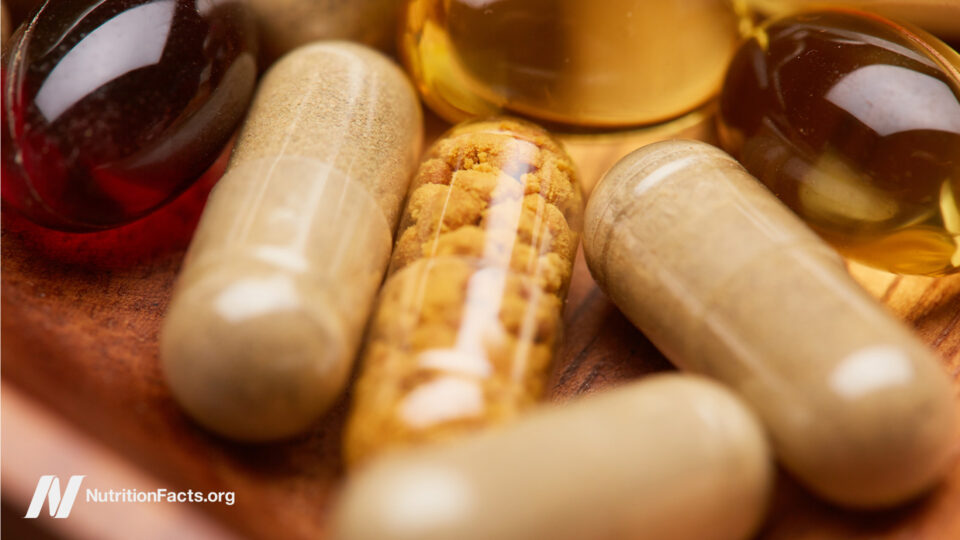
This is why capsules are recommended: they can pass through the stomach intact and dissolve in the small intestine, exactly where they need to work. This both maximises the therapeutic effect and eliminates the risk of heartburn.
Woods Health Peppermint Capsules contain 200mg of peppermint oil per capsule, formulated specifically to deliver the oil where it's needed most.
Related Products & Articles You Might Find Helpful
- Woods Health Gold Standard Collagen — supporting gut lining health
- Krill oil vs Fish oil for heart health benefits
- 10 Great Facts about probiotics from ancient ferments to smart daily habits.
- Shop All Woods Health Supplements
Frequently Asked Questions
Does the NHS recommend peppermint oil for IBS?
Yes. The NHS officially lists peppermint oil capsules as a recommended antispasmodic treatment for IBS. Taking it as a capsule allows the oil to be released in the small intestine, where it is most effective.
How quickly does peppermint oil work for IBS?
Some people notice an improvement in cramping and bloating within the first 1-2 weeks of use. However, most clinical studies show the best results after 4–8 weeks of consistent daily use.
Can peppermint capsules help with bloating even if I don't have IBS?
Yes. Many people without a formal IBS diagnosis use peppermint oil capsules to manage general bloating, gas and digestive discomfort after meals. The antispasmodic and gas-relieving properties of peppermint oil are beneficial for general digestive comfort, not just IBS specifically.
Are peppermint oil capsules suitable for over-50s?
Yes, peppermint oil capsules are suitable for adults of all ages, including the over-50s. They are particularly relevant for this age group, as gut motility naturally slows with age, and IBS-type symptoms can become more common. However, peppermint oil is not recommended for everyone with gut symptoms. It is important to note that peppermint oil capsules are specifically used to relieve IBS and similar functional gut disorders. Ask your GP if you have symptoms that you are concerned about, especially if you have a diagnosed digestive condition, as interactions and suitability can vary.
The Bottom Line
Peppermint oil capsules sit in a rare and valuable category, a natural remedy that is both NHS-recommended and genuinely well-evidenced by clinical research. For over 50s dealing with the cramping, bloating and discomfort that can make daily life frustrating, they represent a practical, accessible and well-tolerated option worth trying.
Consult your GP if you take prescription medication or have a new or existing medical condition.
References
- NHS (2023) Irritable Bowel Syndrome (IBS) - Treatment.
- Khanna, R., MacDonald, J.K., & Levesque, B.G. (2014) Peppermint Oil for the Treatment of Irritable Bowel Syndrome: A Systematic Review and Meta-Analysis. Journal of Clinical Gastroenterology, 48(6), 505–512.
- Alammar, N., et al. (2019) The Impact of Peppermint Oil on the Irritable Bowel Syndrome: A Meta-Analysis of the Pooled Clinical Data. BMC Complementary and Alternative Medicine, 19(1), 21.
- Haber, S. L., et al. (2016) Peppermint oil for treatment of irritable bowel syndrome. American Journal of Health-System Pharmacy, (73) 2.
What's Your Reaction?
 Like
0
Like
0
 Dislike
0
Dislike
0
 Agree
0
Agree
0
 Disagree
0
Disagree
0
 Excellent
0
Excellent
0
 Useful
0
Useful
0
 Great
0
Great
0