



















































Do vitamins or supplements boost fertility?



Written by the Progyny Editorial Team. Reviewed by the Progyny Clinical Team – August 2026.
If you’re hoping to become pregnant, you might feel eager to try anything to increase your chances. And it’s natural to wonder about all the fertility supplements on the market.
So let’s talk about supplements, nutrients, and fertility. We’ve turned to expert advice from the American Society for Reproductive Medicine and the American College of Obstetricians and Gynecologists.
So far, research has not shown that any specific supplement can boost fertility. But there’s good news: most people get all the benefits they need from healthy eating and a prenatal vitamin.
Take a prenatal vitamin with folic acid
A daily prenatal vitamin helps ensure that you get the nutrients you need when you’re trying to conceive, and for a healthy pregnancy. They may also help lessen morning sickness when taken before becoming pregnant.
Folic acid is the most important supplement to take during preconception. Be sure to check that it’s included in your prenatal vitamin.
- Folic acid reduces the risk of serious birth defects. This includes neural tube and heart defects.
- It’s difficult to get enough folic acid from food sources alone. So supplementation is important.
- Try to get 600 mcg of folic acid a day (400 mcg of which comes from prenatal vitamins). Foods with folic acid include dark leafy greens and fortified breakfast cereals.
Tell your provider everything you take
It’s a great idea to tell your provider about everything you take. In fact, you can bring it all to your visit so you can go over the packaging for safety and to make sure everything is clear.
At your next fertility or pre-pregnancy checkup, bring a list of your:
- Prescription medicine
- Over-the-counter medicine
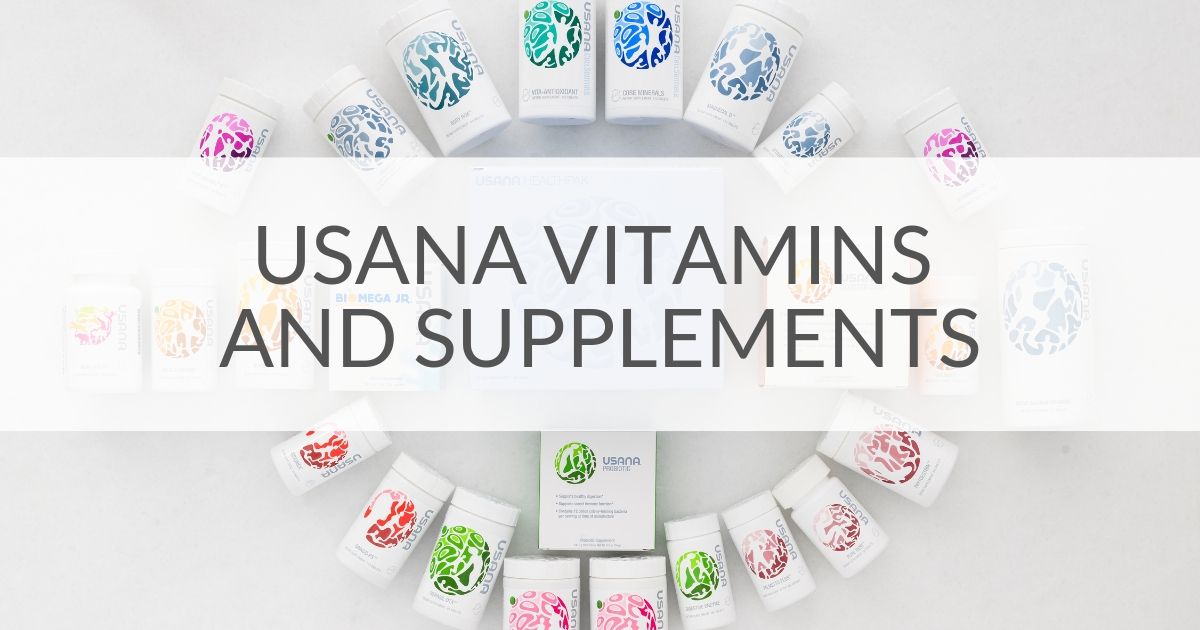
- Vitamins and supplements
- Herbal remedies
Get personalized advice about supplements
Wondering about a specific vitamin, supplement, or health claim? Go ahead and ask your provider for personalized advice.
- Studies have not shown any single nutrient or supplement that boosts fertility.
- But, many options are low-risk. They may help people with nutrient deficiencies or specific health concerns.
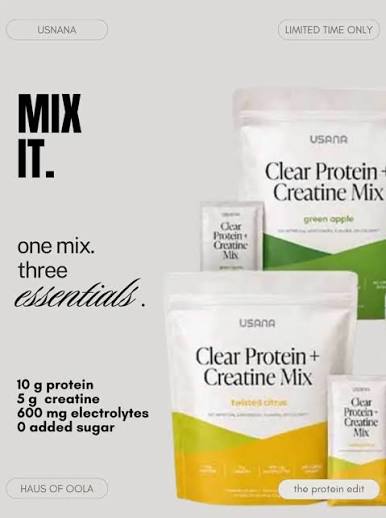
- Supplements are not regulated by the Food and Drug Administration (FDA). This means doses can vary and it’s a good idea to be cautious.
A 2023 study from the journal Fertility and Sterility looked into the fertility supplements on Amazon’s best-seller list. They found that nearly all the common ingredients are available in prenatal vitamins.
Ask your provider if healthy eating and a prenatal vitamin meets your needs. This may be a simple, cost-effective approach.
Aim for healthy, balanced eating
You may hear about various “fertility diets.” There isn’t a lot of consistent research that shows these diets improve fertility.
However, eating healthy overall may help the time to conceive and the chances for a baby. The link may be stronger for people with ovulation disorders and possibly those using fertility treatments.
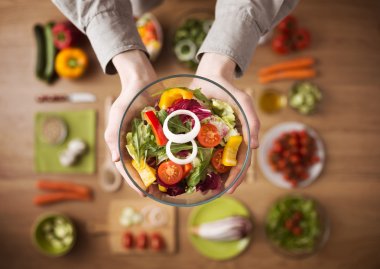
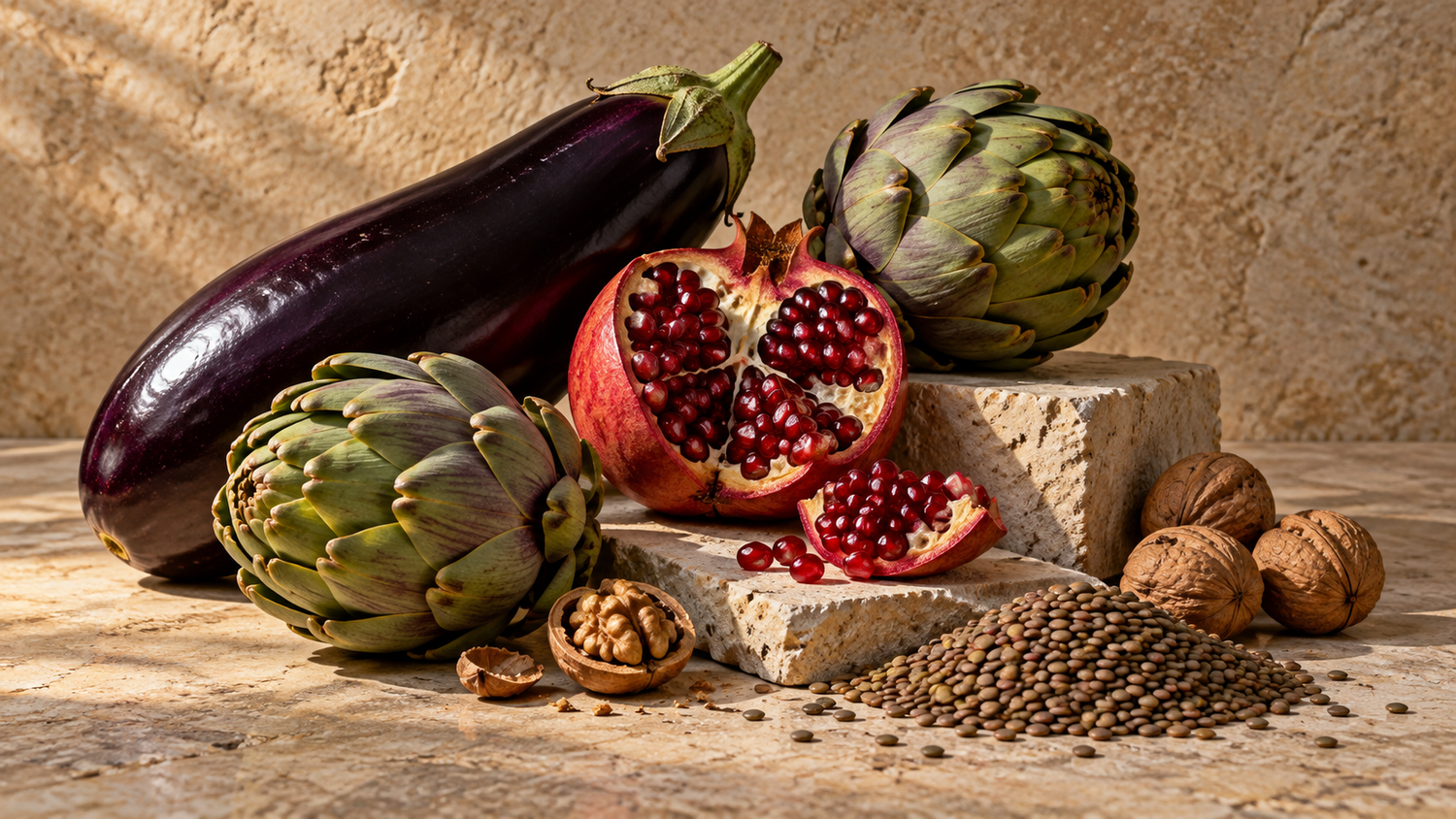
The Mediterranean eating pattern is one approach that that many experts recommend. It emphasizes:
- Unsaturated fats instead of trans fats (think nuts, avocados, seafood, and vegetable oils)
- Protein from vegetable sources (such as beans, peas, and soy) instead of animal sources, especially red meat
- Low-glycemic carbohydrates (such as many fruits, vegetables, nuts, and minimally-processed whole grains)
Of course, there is excellent evidence that nutritious eating choices are beneficial to your overall health. And that is great for you in the long-term, as well as for a healthy pregnancy.
Finally, it’s good to be aware of things that can reduce fertility:
- Smoking (any amount)
- Heavy alcohol intake (more than 2 drinks a day)
- Heavy caffeine intake (more than 5 cups of coffee or 500 mg of caffeine a day)
- Recreational drugs including marijuana
- Eating a lot of mercury, found in some types of seafood
We know it may feel like you have a lot to think about when you want to optimize your fertility. Give yourself grace. You’re doing great. And your Progyny Care Advocate is always here to help answer questions, offer education, and provide support.
Explore related content:
The post Do vitamins or supplements boost fertility? appeared first on Progyny.
What's Your Reaction?
 Like
0
Like
0
 Dislike
0
Dislike
0
 Agree
0
Agree
0
 Disagree
0
Disagree
0
 Excellent
0
Excellent
0
 Useful
0
Useful
0
 Great
0
Great
0