

















































Does Trending Volufiline Really Work?


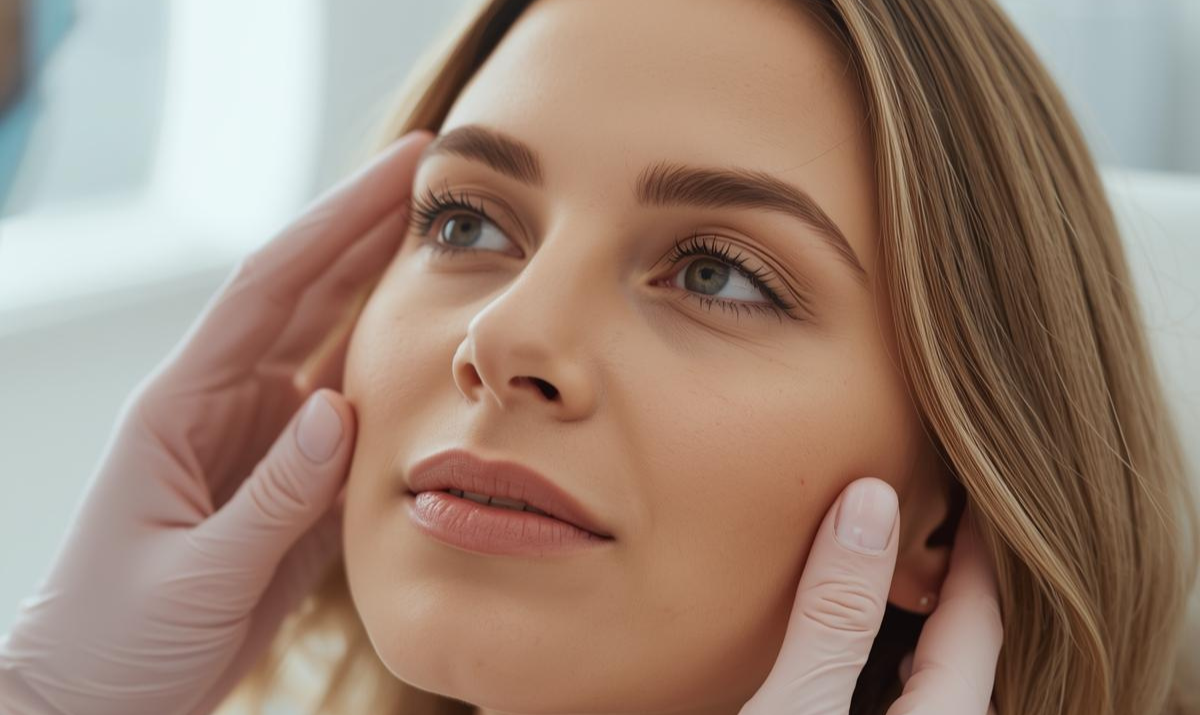
TikTok is calling topical Volufiline a “needle‑free filler” that can plump cheeks, lips, and even the under‑eye area. Needless to say, this buzzy skin care ingredient has skyrocketed in popularity as a filler alternative for wrinkles and anti-aging.
But does it actually work, or is it just a trend with more hype than science?
In this post, we break down what Volufiline really is, how it’s supposed to work, what science says about it, and how it compares to proven anti‑aging solutions.
A patented topical ingredient aimed at increasing volume
Very limited clinical evidence of its effects
Generally safe to use, but not likely to deliver "filler-like" results

What Is Volufiline?
Volufiline is a patented cosmetic ingredient that’s made from a plant extract derived from the root of Anemarrhena asphodeloides, a plant used in traditional Asian herbal medicine. The active molecule in Volufiline is sarsasapogenin, which is thought to influence how fat cells behave in the skin’s deeper layers (3).
Anemarrhena asphodeloides itself has long been used in traditional Chinese, Korean, and Japanese herbal practices for various health benefits, and cosmetic research suggests that extracts from this plant can have antioxidant and anti-inflammatory properties (4). Some studies also show potential for melanin inhibition, meaning possible brightening effects, though these are not specific to Volufiline as marketed (5).

How Does Volufiline Work?
Volufiline is marketed as a topical ingredient that “plumps” skin by influencing the fat cells in the subcutaneous layer – the layer beneath the skin’s surface. The theory is that it activates pathways involved in lipid storage, encouraging fat cells to hold more lipids, which could make the area appear fuller or more voluminous.
Some in‑house research from Sederma, the French company that developed Volufiline, reported a small increase in volume when a 5 % Volufiline formula was applied to the breast area twice daily for 28 to 56 days. However, this study involved a small number of participants and only showed an average 2.2 % increase in volume. There are no large peer‑reviewed clinical trials showing that Volufiline can restore facial volume.
"In my opinion, humectants such as glycerin and hyaluronic acid would work just as well to plump the skin."
What Does Volufiline Do for the Skin?
Products containing Volufiline are claimed to increase volume and fullness in areas prone to a hollow or sunken look, such as the cheeks, under‑eyes, lips, or body contours such as the buttocks or breasts.
Some people report noticing a temporary feeling of plumping or hydration, which may come from increased blood flow or from the product’s base formula rather than the Volufiline itself. The effect tends to be subtle and gradual over weeks of consistent use and not immediate, dramatic, or comparable to cosmetic injections.
Keep in mind that research on Volufiline’s effects on facial appearance is limited, so anecdotal results that people may perceive might not be due to genuine tissue changes and could vary widely from person to person.

Is Volufiline Safe?
Volufiline is generally considered safe for topical use in cosmetic products. Most products contain only a small percentage of the active ingredient, and there haven’t been widespread reports of major side effects.
However, it is possible that Volufiline could cause unintended or uneven fat deposits in other areas, so it is important to use as directed. Some people with sensitive skin may experience redness or irritation.
Will Volufiline Give You Filler Results?
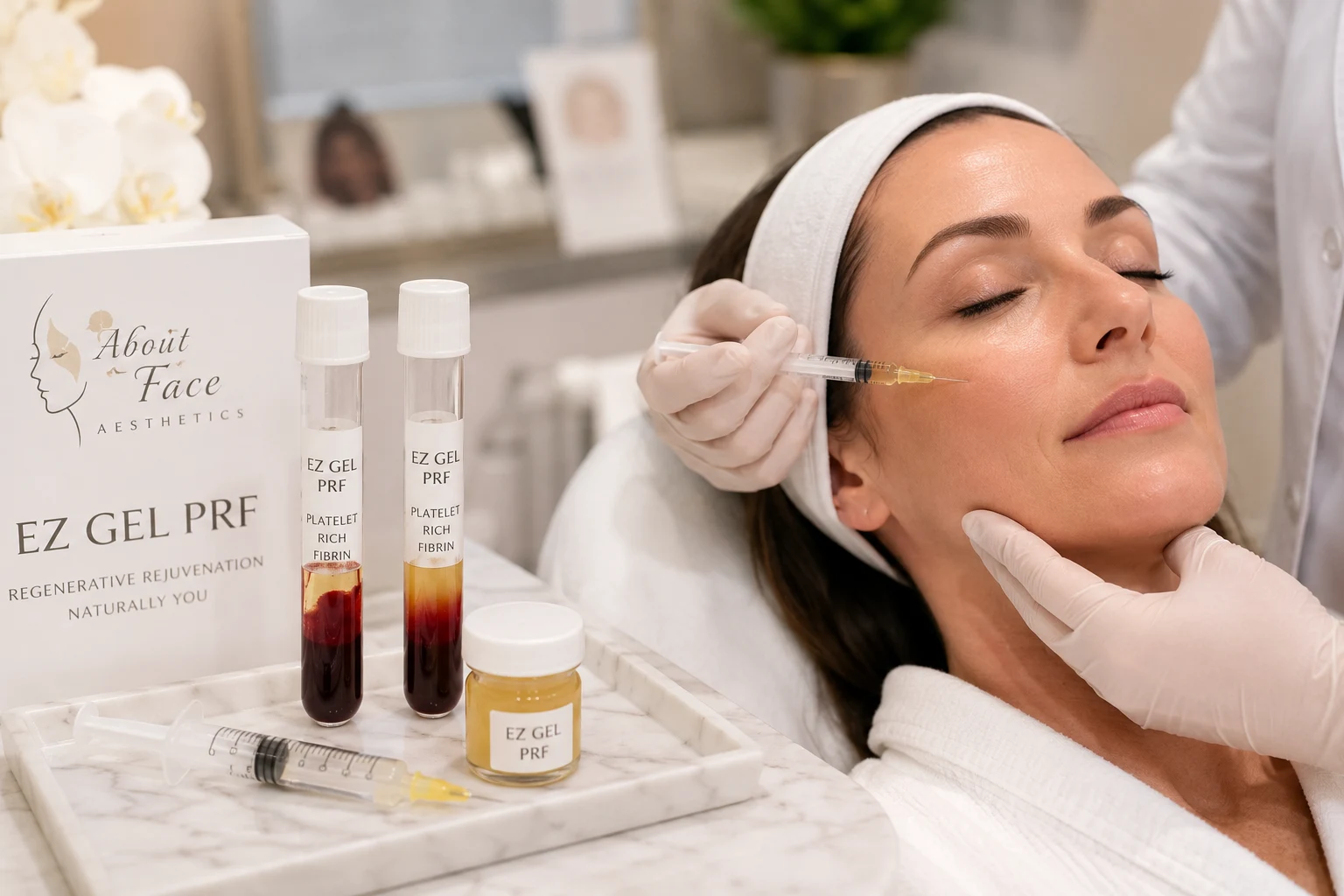
No topical ingredient, including Volufiline, is going to be able to deliver the same level of results as injectable treatments, which physically add volume beneath the skin and are placed directly into the deeper tissues.
While Volufiline might offer subtle plumping, hydration, or contour enhancement, there is not currently clinical evidence that it is able to rebuild lost facial fat, lift tissue, or produce structural volume like injectables.
Volufiline Alternatives
If you’re looking for the best topical products for anti-aging, the most effective solution is to use an anti-aging regimen that is right for your skin’s unique needs based on your skin type.
Some of our favorite anti-aging skin care products include:
Bottom Line: Does Volufiline Work?
Volufiline is a plant‑derived cosmetic ingredient that claims to boost skin fullness by influencing fat cells. While small internal studies show some volume increase in niche applications, there’s no strong peer‑reviewed evidence showing that it delivers meaningful or lasting filler‑like results on the face.
It may offer subtle plumping or improved skin appearance for some users, but its effects are mild and much less dramatic than injectable treatments.
The most effective way to support youthful, plump skin remains a well‑rounded, evidence‑based skin care routine tailored to your specific needs, possibly combined with in‑office procedures when appropriate.
To get started, take the quiz below to find your skin type and customized anti-aging routine.
[[ctaquiz]]

Dr. Leslie Baumann MD, FAAD
How long does Volufiline take to work?
Any visible changes are subtle and gradual, often taking several weeks of consistent use. Results vary widely, and not everyone may notice a difference.
Are Volufiline results permanent?
No. Any plumping effects will depend on ongoing use. Once you stop using the product, any effect will gradually fade away.
Does Volufiline work on the buttocks?
Some products are marketed for body contouring, and users report subtle fullness there, but clinical evidence for significant results is limited and not peer reviewed.
Best References and Scientific Publications on Volufiline
- Baumann L. Antiaging Ingredients in Ch. 37 of Baumann's Cosmetic Dermatology Ed 3. (McGraw Hill 2022)
- Baumann, L. Ch. Cosmeceuticals and cosmetic Ingredients (McGraw Hill 2015)
- Yu, Y. Y., Cui, S. C., Zheng, T. N., Ma, H. J., Xie, Z. F., Jiang, H. W., ... & Li, J. Y. (2021). Sarsasapogenin improves adipose tissue inflammation and ameliorates insulin resistance in high-fat diet-fed C57BL/6J mice. Acta Pharmacologica Sinica, 42(2), 272-281.
- Lee, Y. J., Song, B. R., Lee, S. L., Shin, H. S., & Park, S. N. (2018). Antimicrobial, antioxidant and cellular protective effects against oxidative stress of Anemarrhena asphodeloides Bunge extract and fraction. Microbiology and Biotechnology Letters, 46(4), 360-371.
- Seo, S. K., Han, S. J., Ku, C. S., Kim, D. H., Ryu, J. H., Baek, J. H., ... & Jang, D. I. (2018). New development of natural depigmentation agent from Anemarrhena asphodeloides root extracts by inhibition of melanin biosynthesis. Asian Journal of Beauty and Cosmetology, 16(1), 1-9.


What's Your Reaction?
 Like
0
Like
0
 Dislike
0
Dislike
0
 Agree
0
Agree
0
 Disagree
0
Disagree
0
 Excellent
0
Excellent
0
 Useful
0
Useful
0
 Great
0
Great
0